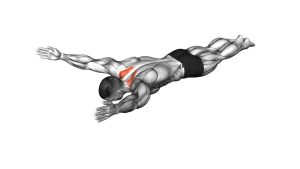
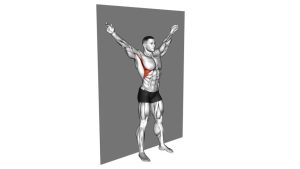
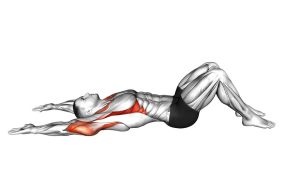
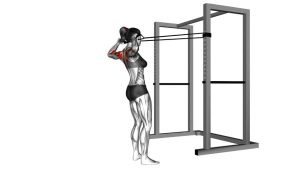
Standing Back Squeeze: Proper Form, Muscles Worked, Tips & FAQ
Learn how to do the Standing Back Squeeze with proper form to improve posture, activate the upper back, and strengthen scapular control. Includes setup, execution, sets and reps, mistakes, FAQ, and recommended equipment.
Standing Back Squeeze
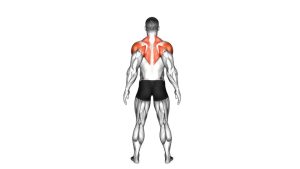
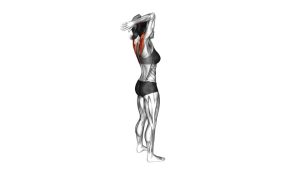
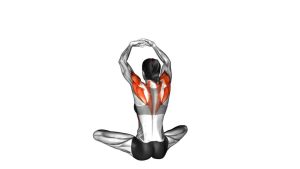
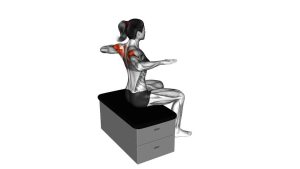
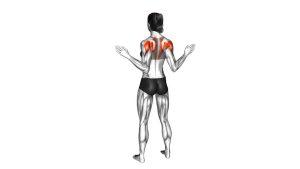
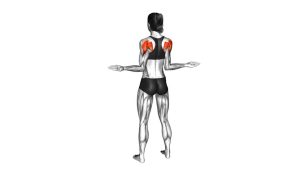
This drill looks easy, but quality matters more than range. The goal is to create a clean squeeze through the upper back while keeping the neck relaxed, the chest open, and the ribs under control. You should feel the work mainly between the shoulder blades, not in the upper traps or lower back.
Quick Overview
| Body Part | Upper Back |
|---|---|
| Primary Muscle | Rhomboids and middle trapezius |
| Secondary Muscle | Rear deltoids, lower trapezius, and rotator cuff stabilizers |
| Equipment | None |
| Difficulty | Beginner |
Sets & Reps (By Goal)
- Posture practice: 2–3 sets × 10–15 reps with a 1–2 second squeeze at the top
- Warm-up activation: 2–4 sets × 8–12 reps before rows, pulldowns, or pull-ups
- Muscle control / rehab-style work: 2–3 sets × 8–10 reps with slow tempo and strict form
- Desk-break reset: 1–2 sets × 10–12 easy reps during the day
Progression rule: First improve control, then increase hold time, then add light resistance such as a band if needed.
Setup / Starting Position
- Stand tall: Place your feet about hip-width apart with knees softly unlocked.
- Set your torso: Keep your ribs stacked over the hips and avoid flaring the chest excessively.
- Relax your shoulders: Let the shoulders sit down naturally instead of lifting toward the ears.
- Position the arms: Keep the arms by your sides or slightly out from the body, depending on the variation.
- Head neutral: Keep your chin level and neck long without pushing the head forward.
Tip: Think “tall spine, open chest, soft traps” before each rep.
Execution (Step-by-Step)
- Begin from neutral: Start with the shoulders relaxed and arms quiet.
- Pull the shoulder blades back: Gently draw the scapulae toward each other without shrugging upward.
- Open the chest: Allow the chest to broaden naturally as the upper back contracts.
- Pause at peak contraction: Hold the squeeze for 1–2 seconds while keeping the neck relaxed.
- Return under control: Slowly release back to the start without letting the shoulders collapse forward.
Pro Tips & Common Mistakes
- Lead with the shoulder blades: The arms should follow the motion, not dominate it.
- Keep the neck quiet: Avoid pushing the chin forward or tensing the upper traps.
- Do not over-arch the lower back: Keep the ribs down and core lightly braced.
- Use a moderate range: A clean squeeze is better than forcing a bigger motion.
- Slow down the release: The return phase helps train control just as much as the squeeze.
- Pair it with pulling exercises: This drill works well before rows, face pulls, band pull-aparts, and pulldowns.
FAQ
What should I feel during the Standing Back Squeeze?
You should mainly feel the muscles between the shoulder blades working, especially the rhomboids and middle traps. You should not feel the upper traps taking over or the lower back doing all the work.
Is this exercise good for rounded shoulders?
Yes, it can help improve awareness and strength in the upper back muscles that support better shoulder positioning. It works best when combined with mobility work and a full upper-back strengthening plan.
Can beginners do this exercise?
Absolutely. This is one of the most beginner-friendly posture and activation drills because it is low-impact, simple to learn, and easy to control.
Should I add resistance?
Start with bodyweight only. Once you can control the movement well, you can progress to light resistance bands or cable-based scapular retraction exercises.
How often can I do Standing Back Squeezes?
Most people can perform them several times per week, and some can even use them daily as a posture reset or warm-up drill, provided the exercise stays easy and controlled.
Recommended Equipment (Optional)
- Resistance Bands Set — ideal for progressing from bodyweight squeezes to band pull-aparts, rows, and posture drills
- Resistance Band Set with Handles — useful for home back training and beginner-friendly rowing variations
- Posture Corrector — can serve as a light reminder tool for shoulder positioning, though not a replacement for training
- Massage Ball — helpful for relieving upper-back tension and tight spots around the shoulder blades
- Foam Roller for Upper Back — useful for thoracic mobility work before posture and upper-back activation sessions
Tip: Optional tools should support better movement quality, not replace proper exercise technique and consistent training.