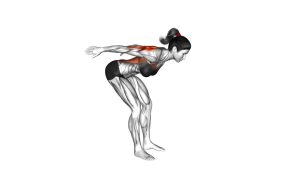
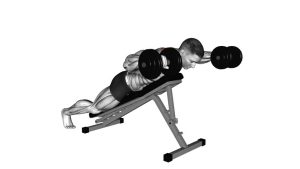
Lever Pronated Grip Seated Scapular Retraction Shrug: Form, Sets, Tips & FAQ
Learn how to perform the Lever Pronated Grip Seated Scapular Retraction Shrug with proper form. Discover muscles worked, setup, step-by-step execution, sets and reps by goal, common mistakes, FAQs, and recommended equipment.
Lever Pronated Grip Seated Scapular Retraction Shrug
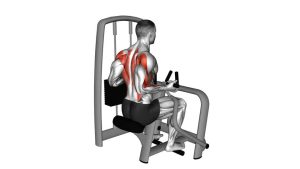
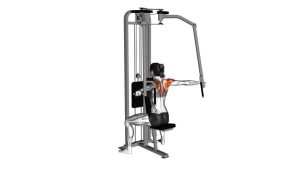
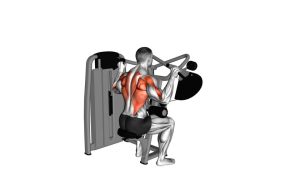
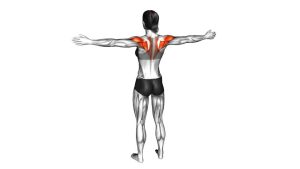
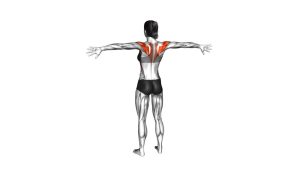
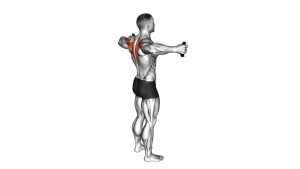
This exercise works best when performed with a short, precise range of motion and deliberate tempo. The focus should be on pulling the shoulder blades back first, then finishing with a small upward shrug, rather than yanking the handles with the arms. When done correctly, you should feel strong tension across the upper back, especially around the rhomboids, middle traps, and upper traps.
Quick Overview
| Body Part | Upper Back |
|---|---|
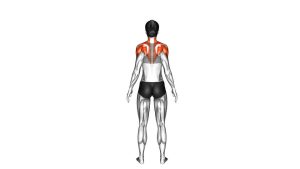
| Primary Muscle | Middle trapezius and rhomboids |
| Secondary Muscle | Upper trapezius, rear deltoids, lower trapezius, scapular stabilizers |
| Equipment | Lever shrug / row machine with pronated handles |
| Difficulty | Beginner to Intermediate |
Sets & Reps (By Goal)
- Muscle activation / warm-up: 2–3 sets × 12–15 reps using light weight and strict control
- Hypertrophy: 3–4 sets × 8–12 reps with a brief squeeze at peak contraction
- Posture and scapular control: 2–4 sets × 10–15 reps with a slower tempo and lighter load
- Finisher for upper back: 2–3 sets × 12–20 reps focusing on clean scapular movement
Progression rule: Increase load only after you can keep the elbows quiet, hold the peak contraction for 1–2 seconds, and lower the weight under control without losing scapular position.
Setup / Starting Position
- Adjust the machine: Set the seat height so the handles line up comfortably with your upper chest or shoulder line.
- Sit tall: Place your chest firmly against the pad and keep your spine neutral throughout the set.
- Use a pronated grip: Grab the handles with an overhand grip and let the arms extend naturally forward.
- Allow a slight stretch: Start with the shoulders slightly protracted so the upper back is lengthened.
- Brace lightly: Keep the ribcage stable, neck neutral, and core engaged without leaning back.
Tip: Before the first rep, think about “moving the shoulder blades” rather than “pulling with the hands.”
Execution (Step-by-Step)
- Start from the stretch: Let the shoulders move slightly forward while keeping the chest supported and posture tall.
- Retract the scapulae: Pull the shoulder blades back toward each other to begin the movement.
- Add a controlled shrug: Once fully retracted, finish the rep with a small upward shoulder elevation.
- Pause briefly: Hold the top position for 1–2 seconds and squeeze the upper back.
- Lower slowly: Reverse the shrug first, then allow the shoulder blades to glide forward under control.
- Repeat smoothly: Maintain a steady tempo without jerking, bouncing, or turning the movement into a full row.
Pro Tips & Common Mistakes
- Lead with the shoulder blades: Begin each rep with retraction, not an arm pull.
- Keep elbow bend minimal: Too much elbow flexion turns the exercise into a row.
- Use a deliberate squeeze: A short pause at the top improves mind-muscle connection.
- Do not overload: Heavy weight often causes torso movement and sloppy shrugging.
- Stay chest-supported: Avoid rocking backward to create fake range of motion.
- Control the eccentric: Let the shoulder blades separate gradually instead of dropping the weight.
- Keep the neck neutral: Do not thrust the head forward while shrugging.
- Train quality over range: A smaller, cleaner contraction is better than a bigger sloppy one.
FAQ
What muscles does the Lever Pronated Grip Seated Scapular Retraction Shrug work?
It mainly targets the middle traps and rhomboids, while the upper traps assist during the shrugging portion. The rear delts and other scapular stabilizers also contribute to control and positioning.
Is this the same as a seated row?
No. A seated row uses more elbow flexion and usually involves the lats and biceps more directly. This exercise is more focused on scapular movement, especially retraction and slight elevation.
Should I use heavy weight on this exercise?
Usually no. Moderate or lighter loads tend to work best because they let you maintain precise scapular control. Going too heavy often causes momentum, excessive elbow bending, and poor contraction quality.
Where should I feel this movement?
You should feel it across the upper and middle back, especially between the shoulder blades and around the traps. You should not feel that your biceps are dominating the rep.
When should I place this in my workout?
It works well early in an upper-back session as an activation drill, in the middle of a workout for focused hypertrophy, or near the end as a controlled finisher for traps and scapular stabilizers.
Recommended Equipment
- Lifting Straps — useful if grip fatigue limits your upper-back focus on machine work
- Weightlifting Gloves — can improve handle comfort and reduce palm irritation during repeated sets
- Resistance Bands Set — great for adding band pull-aparts and scapular warm-up drills before machine training
- Peanut Massage Ball — helpful for upper-back soft tissue work around the rhomboids and thoracic spine
- Foam Roller — useful for thoracic mobility and posture-focused warm-up or recovery sessions
Tip: Accessories should support better execution and recovery, not replace strict form and controlled training.