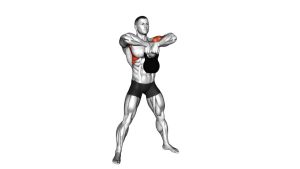
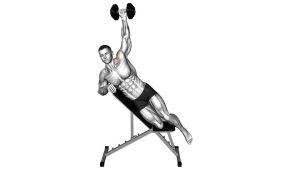
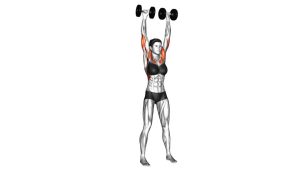
Dumbbell Arnold Press: Proper Form, Sets, Benefits, Tips & FAQ
Learn how to do the Dumbbell Arnold Press with proper form to build stronger, rounder shoulders. Includes setup, step-by-step execution, sets by goal, common mistakes, FAQs, and recommended equipment.
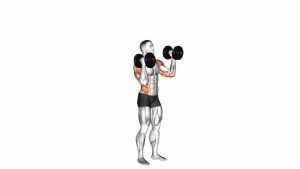
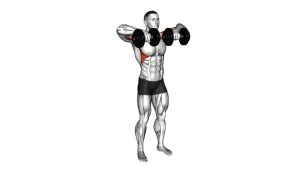
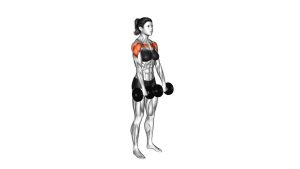
Dumbbell Arnold Press
This exercise is especially useful for lifters who want to build fuller shoulders, improve pressing control, and add variety to their dumbbell shoulder training. Compared with a standard seated or standing dumbbell press, the Arnold Press demands more coordination because the elbows begin forward, the wrists rotate during the press, and the dumbbells follow a slightly curved path. Done correctly, it creates excellent tension in the deltoids without turning the movement into a sloppy swing or momentum-based press.
Quick Overview
| Body Part | Shoulders |
|---|---|
| Primary Muscle | Anterior deltoid (front shoulder) |
| Secondary Muscle | Lateral deltoid, triceps, upper chest, rotator cuff stabilizers |
| Equipment | Dumbbells; adjustable bench optional but highly recommended for seated stability |
| Difficulty | Intermediate |
Sets & Reps (By Goal)
- Muscle building: 3–4 sets × 8–12 reps with 60–90 seconds rest
- Strength emphasis: 4–5 sets × 5–8 reps with 90–120 seconds rest
- Shoulder control / technique work: 2–3 sets × 10–15 reps with moderate weight and slower tempo
- Finisher / pump work: 2–3 sets × 12–15 reps with strict form and no momentum
Progression rule: Add reps before adding load. If the rotation becomes jerky or your torso starts leaning back, the weight is too heavy for clean Arnold Press reps.
Setup / Starting Position
- Choose your position: Sit on an upright or slightly inclined bench for better support, or stand tall with your core braced if performing the standing version.
- Hold the dumbbells in front of the shoulders: Start with elbows bent and slightly forward, not flared straight out to the sides.
- Palms face inward: Your palms should face your body at the bottom, similar to the top half of a curl.
- Brace the torso: Keep your chest up, ribs controlled, and core tight so you do not overarch the lower back.
- Set shoulder position: Keep the shoulders packed and avoid shrugging before the first rep begins.
Tip: A seated setup usually makes it easier to keep the movement strict and prevents excessive body English.
Execution (Step-by-Step)
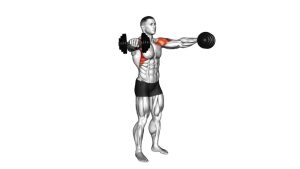
- Start from the front rack position: Dumbbells begin near the upper chest and shoulders with palms facing inward and elbows pointing slightly forward.
- Rotate as you press: Begin pressing the dumbbells upward while simultaneously rotating the wrists outward.
- Open the elbows naturally: As the dumbbells rise, allow the elbows to move out to the sides in a smooth, controlled arc.
- Finish overhead: At the top, arms are nearly straight and palms face forward. Bring the dumbbells close together without smashing them together overhead.
- Lower with control: Reverse the motion slowly, rotating the palms back inward as the elbows come forward again.
- Return to the start: Finish in the same controlled bottom position and repeat without bouncing or rushing.
Pro Tips & Common Mistakes
- Use a manageable load: This is a technical shoulder exercise, not just a brute-force press.
- Rotate smoothly: Do not snap the wrists or separate the movement into awkward stages.
- Keep the elbows slightly forward at the bottom: This helps set up the correct path and improves front delt loading.
- Do not lean back excessively: Turning it into a standing incline press shifts stress away from the delts.
- Avoid slamming the top: Finish the rep with control instead of aggressively locking out the elbows.
- Control the eccentric: The lowering phase is where a lot of shoulder tension is built, so do not let gravity do all the work.
- Do not go too heavy too soon: Excessive weight often leads to shortened range of motion, poor rotation, and shoulder irritation.
FAQ
What muscles does the Dumbbell Arnold Press work most?
The movement primarily targets the anterior deltoids, while also heavily involving the lateral deltoids, triceps, and smaller shoulder stabilizers. The rotating start position increases total shoulder involvement compared with many standard presses.
Is the Arnold Press better than a regular dumbbell shoulder press?
Not always better, but different. The Arnold Press provides a longer movement path and extra rotational demand, which can be great for hypertrophy and variety. A regular dumbbell press is often simpler to load heavier.
Should I do the Arnold Press seated or standing?
Most lifters do best with the seated version because it improves stability and makes it easier to keep strict form. The standing version adds more core demand but also increases the chance of leaning back.
How heavy should I go on Arnold Presses?
Choose a weight that allows a smooth rotation and full control from bottom to top. In most cases, you will use less weight than on a standard dumbbell shoulder press.
Can beginners use the Dumbbell Arnold Press?
Yes, but beginners should start light and first learn how to coordinate the rotation with the press. If the movement feels awkward, mastering a standard seated dumbbell press first is a smart idea.
Recommended Equipment
- Adjustable Dumbbells — ideal for progressive overload without needing a full dumbbell rack
- Adjustable Weight Bench — gives you a stable seated setup for cleaner Arnold Press reps
- Wrist Wraps for Weightlifting — useful if wrist positioning becomes a limiting factor during pressing work
- Resistance Bands Set — excellent for shoulder warm-ups, activation drills, and accessory work
- Dumbbell Rack for Home Gym — helps keep your training area organized and your dumbbells easy to access
Tip: Prioritize a solid bench and a reliable dumbbell setup first. Those two tools give you the biggest payoff for Arnold Press performance and progression.