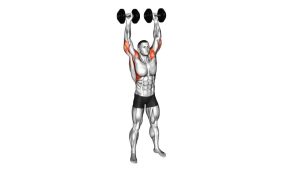
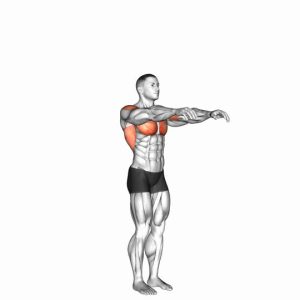
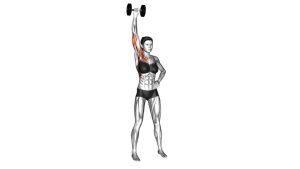
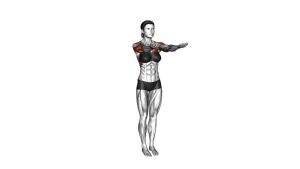
Bottle-Weighted Front Raise: Proper Form, Sets, Tips & FAQ
Learn the Bottle-Weighted Front Raise to build stronger front delts with simple home equipment. Includes setup, form tips, sets by goal, common mistakes, FAQs, and recommended gear.
Bottle-Weighted Front Raise
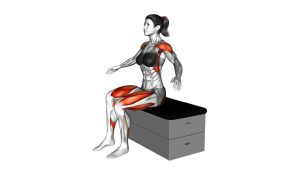
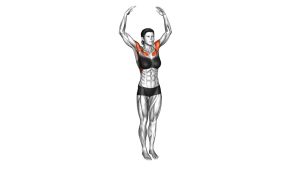
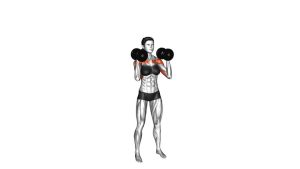
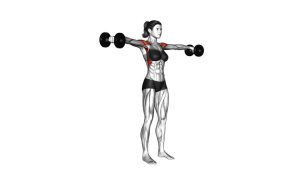
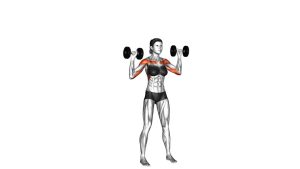
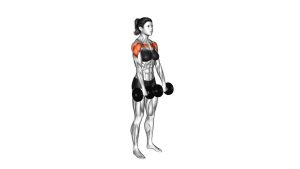
This exercise works best when performed with strict control and a manageable load. You should feel the front of the shoulders doing most of the work while the torso stays steady and the core remains braced. Because the resistance is often light, quality matters more than speed. A smooth lift, brief pause, and slow lowering phase will make this movement far more effective than rushing through reps.
Quick Overview
| Body Part | Front Shoulders |
|---|---|
| Primary Muscle | Anterior deltoid (front deltoid) |
| Secondary Muscle | Upper chest, serratus anterior, upper traps (light stabilization), core stabilizers |
| Equipment | Water bottle, filled bottle, light dumbbell, or other small hand-held weight |
| Difficulty | Beginner |
Sets & Reps (By Goal)
- Muscle tone / general fitness: 2–4 sets × 10–15 reps
- Shoulder endurance: 2–3 sets × 15–20 reps with a lighter bottle
- Hypertrophy / muscle-building: 3–4 sets × 8–12 reps with a heavier but controlled load
- Warm-up / activation: 1–2 sets × 12–15 smooth reps before pressing or upper-body training
Progression rule: Increase the weight first in small steps, or add reps while keeping the movement strict. Do not progress by using body swing or excessive momentum.
Setup / Starting Position
- Stand tall: Keep your feet about hip-width apart and distribute your weight evenly.
- Hold the bottle securely: Grip the bottle with both hands in front of the thighs, or use one bottle per hand if doing a unilateral or bilateral version.
- Brace the core: Tighten the midsection lightly to prevent leaning back during the raise.
- Relax the shoulders: Keep the shoulder blades set naturally down and back without over-squeezing them.
- Maintain soft elbows: Keep a slight bend in the elbows and hold that angle throughout the movement.
Tip: A taller bottle or bottle with uneven weight can make control harder, so start with a compact, easy-to-grip object.
Execution (Step-by-Step)
- Start from the thighs: Begin with the bottle resting in front of the upper thighs.
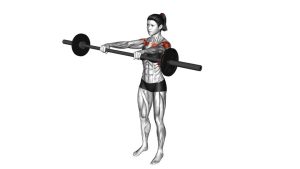
- Raise forward: Lift the weight straight in front of the body in a controlled arc.
- Stop at shoulder height: Bring the hands up until the arms are roughly parallel to the floor.
- Pause briefly: Hold for a short moment at the top while keeping the torso still.
- Lower slowly: Return the weight to the start position under control instead of letting it drop.
- Repeat smoothly: Keep the same tempo for each rep without swinging or using the hips.
Pro Tips & Common Mistakes
- Lift only to shoulder height: Going much higher often shifts stress away from the target area and can irritate the shoulders.
- Use slow reps: A controlled lifting and lowering phase makes light weights much more effective.
- Do not swing: Avoid using momentum from the torso or legs to move the bottle.
- Keep the chest tall: Stay upright without flaring the ribs or leaning backward.
- Do not shrug: The traps should not dominate the motion.
- Choose the right load: If you cannot pause at the top with control, reduce the weight.
- Train both sides evenly: If using one arm at a time, match reps and tempo on each side.
FAQ
What muscle does the bottle-weighted front raise work the most?
The main target is the anterior deltoid, which is the front part of the shoulder. It also involves some upper chest and core stabilization.
Can I use a water bottle instead of a dumbbell?
Yes. A water bottle, sand-filled bottle, or similar household object can work well, especially for beginners or home workouts where a full dumbbell set is not available.
Why do I feel this more in my traps than my shoulders?
That usually happens when the shoulders shrug upward or the weight is too heavy. Use a lighter load, keep the shoulders down, and slow the tempo.
Should I raise the weight above shoulder height?
In most cases, no. Stopping around shoulder height keeps the movement cleaner and helps maintain better shoulder mechanics.
Is this exercise good for beginners?
Yes. It is one of the simplest ways to learn front-delt control, especially when done with a light bottle or dumbbell and strict form.
Recommended Equipment (Optional)
- Light Neoprene Dumbbells — great upgrade from bottles for more consistent resistance and better grip
- Adjustable Dumbbell — useful if you want one compact weight that can grow with your training
- Resistance Bands Set — helpful for shoulder warm-ups, lateral raises, pull-aparts, and overall upper-body work
- Exercise / Yoga Mat — useful for home workouts, warm-ups, and floor-based accessory movements
- Lightweight Workout Gloves — can improve grip comfort when using bottles with smooth plastic surfaces
Tip: For this exercise, lighter tools with better control usually work better than heavier tools that force swinging.