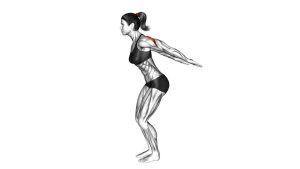
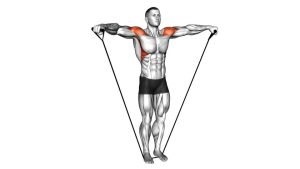
Dumbbell Incline Rear Lateral Raise: Form, Muscles Worked, Sets & Tips
Learn how to perform the Dumbbell Incline Rear Lateral Raise with proper form. Discover muscles worked, setup, execution steps, sets and reps by goal, common mistakes, FAQs, and recommended equipment.
Dumbbell Incline Rear Lateral Raise
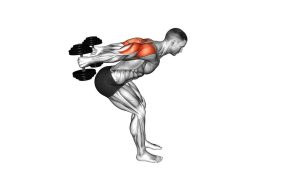
This exercise works best with moderate weight, smooth control, and strict technique. You should feel the rear delts doing most of the work, while the upper back provides light support. The chest-supported position makes this variation especially useful for lifters who want cleaner rear delt training, better mind-muscle connection, and less cheating than standing reverse fly variations.
Quick Overview
| Body Part | Rear Shoulders |
|---|---|
| Primary Muscle | Rear Deltoids (Posterior Delts) |
| Secondary Muscle | Middle Trapezius, Rhomboids, Rotator Cuff Stabilizers |
| Equipment | Dumbbells and an Incline Bench |
| Difficulty | Beginner to Intermediate |
Sets & Reps (By Goal)
- Muscle growth: 3-4 sets × 10-15 reps with controlled tempo and 45-75 seconds of rest
- Shoulder isolation / mind-muscle connection: 2-4 sets × 12-20 reps with light-to-moderate weight
- Accessory work after pressing or back training: 2-3 sets × 12-15 reps with strict form
- Posture and shoulder balance: 2-3 sets × 15-20 reps focusing on smooth, clean reps
Progression note: Increase reps first, then add small amounts of weight only when you can lift and lower the dumbbells without swinging, shrugging, or turning the movement into a row.
Setup / Starting Position
- Set the bench: Adjust an incline bench to roughly 30-45 degrees.
- Lie face down: Place your chest firmly against the bench with your head in a neutral position.
- Plant your feet: Keep both feet stable on the floor for balance and control.
- Hold the dumbbells: Let your arms hang straight down under your shoulders with a neutral grip.
- Unlock the elbows: Keep a soft bend in the elbows and maintain that angle throughout the set.
- Brace lightly: Keep the torso still and shoulders set without excessive shrugging or tension.
Tip: Lighter dumbbells usually produce better rear delt activation here because this exercise depends more on precision than on heavy loading.
Execution (Step-by-Step)
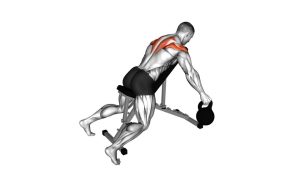
- Start from a dead hang: Let the dumbbells hang naturally beneath the shoulders while keeping your chest supported on the bench.
- Raise the arms outward: Lift both dumbbells out to the sides in a wide arc rather than pulling them backward like a row.
- Keep the elbows fixed: Maintain the slight bend in your elbows instead of bending and extending them during the rep.
- Lift to rear delt height: Bring the arms up until they are about level with the shoulders, or slightly below if that feels better on your joints.
- Pause briefly: Squeeze the rear delts at the top without shrugging the traps.
- Lower under control: Slowly return the dumbbells to the start position and keep tension on the rear delts instead of letting the weights drop.
- Repeat with clean reps: Use a steady tempo for every rep and avoid momentum from start to finish.
Pro Tips & Common Mistakes
- Use lighter dumbbells than you think: Rear delts respond well to strict reps and longer tension.
- Keep your chest glued to the bench: Lifting the torso reduces isolation and adds momentum.
- Lead with the elbows: This helps keep the rear delts active and reduces arm dominance.
- Do not shrug: If the traps take over, reduce the weight and focus on smoother mechanics.
- Avoid turning it into a row: Pulling backward too much shifts more work into the upper back.
- Control the eccentric: The lowering phase is valuable for hypertrophy and shoulder control.
- Keep your neck neutral: Looking too far forward can create unnecessary neck tension.
- Do not rush the top: A brief squeeze at peak contraction improves rear delt engagement.
FAQ
What muscles does the dumbbell incline rear lateral raise work?
The main target is the rear deltoid. Secondary muscles include the middle traps, rhomboids, and smaller stabilizers around the shoulder joint.
Why use an incline bench for rear delt raises?
The bench supports your chest and reduces body swing, which makes it easier to isolate the rear delts and keep the movement strict.
How high should I raise the dumbbells?
Raise them until your arms are roughly in line with your shoulders, or slightly below if that position feels smoother and more comfortable on your joints.
Should I go heavy on this exercise?
Usually no. Rear delt raises are typically more effective with light-to-moderate loads and controlled form rather than heavy weights and momentum.
What is the difference between this and a reverse fly?
They are very similar. This variation is essentially a chest-supported reverse fly performed on an incline bench, which often improves stability and reduces cheating.
Can beginners do this exercise?
Yes. Beginners can benefit from it as long as they use manageable dumbbells, keep the range controlled, and focus on clean movement instead of loading too much weight.
Recommended Equipment (Optional)
- Adjustable Incline Weight Bench — essential for setting the proper chest-supported angle for strict rear delt work
- Adjustable Dumbbells — practical for progressing gradually without needing a full dumbbell rack
- Light Dumbbell Set — ideal for rear delt isolation, high-rep work, and cleaner shoulder mechanics
- Lifting Straps — optional if grip fatigue limits your higher-rep sets
- Resistance Bands Set — useful for pairing rear delt raises with face pulls, pull-aparts, and shoulder warm-up drills
Tip: Most lifters get better results on this exercise by choosing stable equipment and lighter loading rather than chasing heavy dumbbells.