Dumbbell Lying One-Arm Rear Deltoid Raise: Form, Sets, Tips & FAQ
Learn how to perform the Dumbbell Lying One-Arm Rear Deltoid Raise with proper form. Build rear shoulder strength with step-by-step execution, sets and reps by goal, common mistakes, FAQs, and recommended equipment.
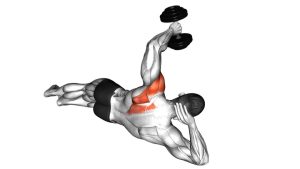
Dumbbell Lying One-Arm Rear Deltoid Raise
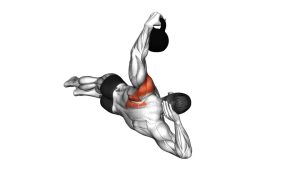
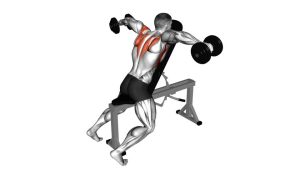
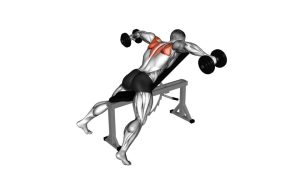
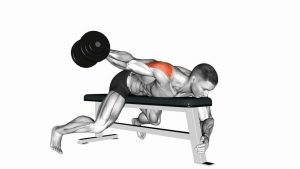
This variation is especially useful for lifters who struggle to feel their rear delts during standing reverse fly variations. The supported position limits cheating and helps you focus on a smooth outward raise, a brief squeeze at the top, and a controlled lowering phase. Keep the working arm slightly bent, avoid shrugging, and let the shoulder do the work.
Quick Overview
| Body Part | Rear Shoulders |
|---|---|
| Primary Muscle | Rear deltoid (posterior deltoid) |
| Secondary Muscle | Rhomboids, middle traps, rotator cuff stabilizers |
| Equipment | Flat or incline bench, one dumbbell |
| Difficulty | Beginner to Intermediate |
Sets & Reps (By Goal)
- Muscle growth: 3-4 sets × 10-15 reps per side with 45-75 seconds rest
- Shoulder control and clean technique: 2-3 sets × 12-15 reps per side with slow tempo
- Finisher / pump work: 2-3 sets × 15-20 reps per side using lighter weight and strict form
- Warm-up activation: 1-2 sets × 12-15 reps per side with very light weight
Progression rule: Increase reps before increasing load. Rear delt work responds best to controlled form, steady tension, and clean contractions rather than heavy swinging.
Setup / Starting Position
- Set the bench: Use a flat bench or a low incline bench, depending on what feels most comfortable and stable.
- Lie chest-down: Position your torso firmly on the bench so your body stays supported throughout the set.
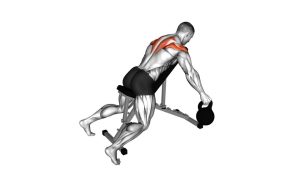
- Hold one dumbbell: Let the working arm hang straight down toward the floor with a slight bend in the elbow.
- Brace with the free arm: Use your non-working hand to hold the bench for extra balance and control.
- Set the shoulder: Keep the neck long, chest supported, and shoulder relaxed without shrugging upward.
Tip: Start with a lighter dumbbell than you expect. Rear delt isolation exercises usually work better with precision than with heavy load.
Execution (Step-by-Step)
- Begin from the bottom: Let the dumbbell hang under the shoulder while keeping a soft bend in the elbow.
- Raise out to the side: Lift the arm in a wide arc away from the bench, leading with the elbow rather than the hand.
- Stop at shoulder height: Bring the upper arm roughly in line with the shoulder or slightly below if that feels smoother.
- Squeeze briefly: Pause at the top for a moment and focus on contracting the rear deltoid.
- Lower under control: Bring the dumbbell back down slowly without letting it drop or swing.
- Repeat evenly: Finish all reps on one side, then switch arms and match the same tempo and form.
Pro Tips & Common Mistakes
- Lead with the elbow: This helps keep the movement focused on the rear delt instead of the hand and forearm.
- Use a small elbow bend: Keep it fixed throughout the rep instead of curling the weight up.
- Do not shrug: If your upper traps take over, lower the weight and keep the shoulder down.
- Avoid torso rotation: Stay glued to the bench so momentum does not steal the work from the target muscle.
- Control the eccentric: The lowering phase is one of the best parts of this exercise for building tension.
- Do not go too heavy: Rear delts respond well to moderate reps, clean angles, and deliberate movement.
- Keep the neck neutral: Avoid craning the head up, especially during the top half of the rep.
FAQ
What does this exercise mainly target?
It mainly targets the rear deltoid, which is the back portion of the shoulder. It also involves supporting muscles like the rhomboids, middle traps, and small shoulder stabilizers.
Is this better than a standing rear delt raise?
For many lifters, yes. The bench-supported position reduces body swing and makes it easier to isolate the rear delt with cleaner form.
How heavy should I go?
Use a load that allows you to raise the dumbbell with control, pause at the top, and lower it slowly. If you need to twist, yank, or shrug, the weight is too heavy.
Should I use a flat bench or an incline bench?
Either can work. A flat bench keeps the setup simple, while a slight incline may feel more comfortable for some body types and shoulder angles.
Where should I feel it?
You should feel it mostly in the back of the working shoulder. If you feel it mainly in the upper traps, neck, or lower back, adjust your setup and reduce the load.
Recommended Equipment
- Adjustable Dumbbells — ideal for progressive overload without needing a full dumbbell rack
- Rubber Hex Dumbbells — simple, durable, and easy to control for strict rear delt work
- Flat Weight Bench — provides the chest support needed to minimize momentum and isolate the shoulder
- Adjustable Weight Bench — lets you experiment with flat or slight incline positions for comfort and angle changes
- Loadable Dumbbell Handles — useful if you already own Olympic plates and want flexible loading options
Tip: For this exercise, stability matters more than fancy equipment. A solid bench and a controllable dumbbell are the most important tools.