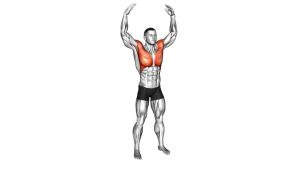
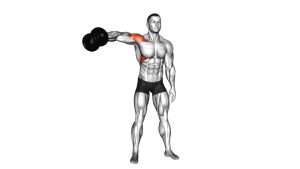
Dumbbell Standing Alternate Raise: Form, Muscles Worked, Sets, Tips & FAQ
Learn how to perform the Dumbbell Standing Alternate Raise with proper form. Discover muscles worked, setup, execution tips, sets and reps by goal, common mistakes, FAQs, and recommended equipment.
Dumbbell Standing Alternate Raise
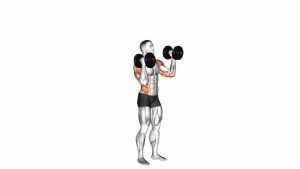
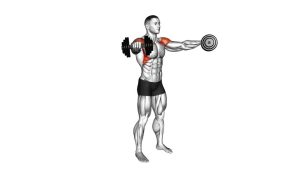
This exercise is best performed with a moderate load and strict technique. Each rep should feel deliberate, with the front delts doing the work while the torso stays steady. Because the movement is unilateral and alternating, it can help improve shoulder awareness, expose side-to-side imbalances, and make it easier to maintain control than performing both arms at the same time.
Quick Overview
| Body Part | Shoulders |
|---|---|
| Primary Muscle | Anterior deltoids (front shoulders) |
| Secondary Muscle | Lateral deltoids, upper traps, upper chest, serratus anterior, and core stabilizers |
| Equipment | Pair of dumbbells |
| Difficulty | Beginner to Intermediate |
Sets & Reps (By Goal)
- Muscle growth: 3–4 sets × 10–15 reps per arm, 45–75 seconds rest
- Technique and control: 2–3 sets × 8–12 reps per arm with lighter weight and slower tempo
- Shoulder pump / finisher: 2–3 sets × 12–20 reps per arm, short rest, strict form
- General strength endurance: 3 sets × 12–16 reps per arm with clean alternating rhythm
Progression rule: Increase reps first, then add small weight jumps only when you can keep every rep smooth, controlled, and free from torso swing.
Setup / Starting Position
- Stand tall: Place your feet around hip-width to shoulder-width apart for a stable base.
- Hold the dumbbells at your sides: Let the arms hang naturally with a neutral grip or slight palms-in position.
- Brace your torso: Keep your abs tight, chest up, and ribs stacked so you do not lean back during the raise.
- Set your shoulders: Keep them down and relaxed instead of shrugging upward.
- Maintain a soft elbow bend: Do not lock the elbows completely or turn the raise into a swinging arm lift.
Tip: Pick a lighter weight than you think you need. Front-delt isolation usually looks best when the reps stay strict.
Execution (Step-by-Step)
- Start from the bottom: With both dumbbells at your sides, stay tall and brace your core.
- Raise one dumbbell forward: Lift one arm in front of your body in a controlled arc until the dumbbell reaches about shoulder height.
- Pause briefly: Stop at the top without shrugging or leaning backward.
- Lower slowly: Bring the dumbbell back down under control to the starting position.
- Switch sides: Repeat the same motion with the opposite arm.
- Continue alternating: Move from side to side with a steady rhythm while keeping the non-working arm quiet and stable.
Pro Tips & Common Mistakes
- Use strict reps: Swinging heavier dumbbells shifts tension away from the front delts.
- Keep the torso still: Avoid rocking backward to help the weight up.
- Do not raise too high: Shoulder-height is usually enough for solid front-delt tension.
- Control the lowering phase: The eccentric portion helps build better shoulder control and hypertrophy.
- Do not shrug: Excess trap involvement can reduce isolation and create unnecessary neck tension.
- Stay balanced: Alternating arms should feel rhythmic, but never rushed.
- Keep the wrist neutral: Avoid excessive wrist bending at the top of the raise.
FAQ
What muscles does the Dumbbell Standing Alternate Raise work the most?
It mainly targets the anterior deltoids, which are the front portion of the shoulders. The lateral delts, upper traps, upper chest, and core also assist with stabilization.
Should I lift both arms together or alternate them?
Alternating arms can make it easier to stay controlled, focus on one side at a time, and reduce the urge to swing both dumbbells at once. It is a great option for clean shoulder isolation work.
How high should I raise the dumbbell?
In most cases, raising the dumbbell to about shoulder height is enough. Going much higher can reduce control and place more stress on the shoulder joint.
Is this exercise good for building bigger shoulders?
Yes. It can help develop the front delts, especially when used alongside presses, lateral raises, and other shoulder movements in a balanced program.
What weight should beginners use?
Start light enough that you can complete every rep without leaning back or swinging. Shoulder isolation exercises usually work best with controlled weights rather than heavy cheating reps.
Recommended Equipment
- Adjustable Dumbbells — space-saving and ideal if you want multiple weight options for progressive overload
- Rubber Hex Dumbbell Set — durable, stable, and great for home gyms focused on shoulder and upper-body training
- Wrist Wraps — useful for extra wrist support if raises feel uncomfortable at the joint
- Weightlifting Gloves — help improve grip comfort and reduce palm irritation during higher-volume training
- Dumbbell Rack — keeps your training area organized and makes dumbbell access easier between sets
Tip: For this exercise, the most important investment is a good dumbbell setup with weight increments you can control cleanly.