Dumbbell Push Press: Proper Form, Sets, Muscles Worked & FAQ
Learn how to perform the Dumbbell Push Press with proper form. Discover muscles worked, setup, execution steps, sets and reps by goal, common mistakes, FAQs, and recommended equipment.
Dumbbell Push Press
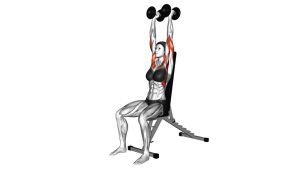
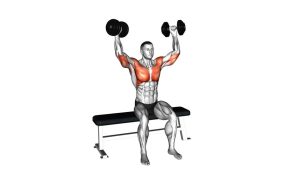
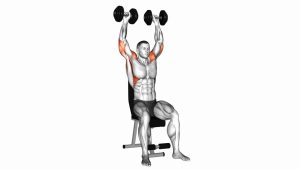
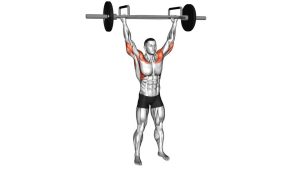
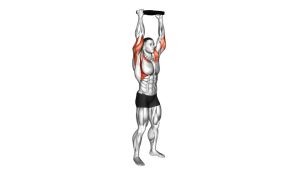
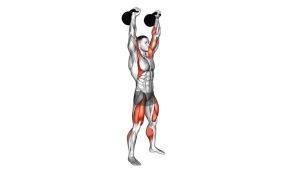
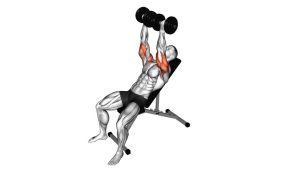
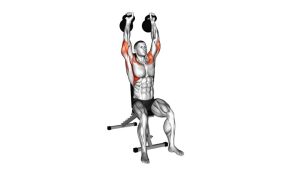
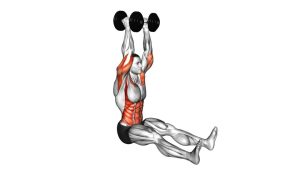
This movement is ideal for lifters who want to build overhead strength, improve explosive pressing ability, and train the shoulders with more load than a strict dumbbell press usually allows. Good reps should feel smooth and athletic, not rushed or sloppy. The lower body helps initiate the movement, but the shoulders and triceps still do the work of finishing the press.
Quick Overview
| Body Part | Front Shoulders |
|---|---|
| Primary Muscle | Anterior deltoids (front shoulders) |
| Secondary Muscle | Triceps, lateral deltoids, quadriceps, glutes, core |
| Equipment | Dumbbells |
| Difficulty | Intermediate |
Sets & Reps (By Goal)
- Strength: 4-5 sets × 3-6 reps with 90-150 seconds rest
- Muscle building: 3-4 sets × 6-10 reps with 60-90 seconds rest
- Power and athletic performance: 3-5 sets × 3-5 explosive reps with 90-120 seconds rest
- General fitness: 2-4 sets × 8-12 reps with controlled tempo and moderate load
Progression rule: Add weight only when you can keep the dip shallow, the drive explosive, and the overhead lockout stable without excessive leaning or pressing unevenly.
Setup / Starting Position
- Stand tall: Place your feet around shoulder-width apart with weight balanced through the whole foot.
- Rack the dumbbells: Bring the dumbbells to shoulder height with elbows slightly in front of the body.
- Brace the core: Tighten your midsection and keep the chest lifted without flaring the ribs.
- Set the wrists: Keep them stacked and neutral so the dumbbells stay directly over the forearms.
- Prepare for the dip: Stay upright and ready to bend the knees slightly without turning the movement into a squat.
Tip: Before each rep, think dip straight down, then drive straight up. That cue helps keep the path efficient and balanced.
Execution (Step-by-Step)
- Dip slightly: Bend the knees a few inches while keeping your torso nearly vertical and your heels planted.
- Drive explosively: Extend the knees and hips forcefully to transfer power upward into the dumbbells.
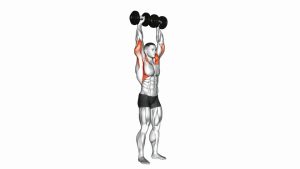
- Press overhead: As the leg drive finishes, continue the movement with your shoulders and triceps until the arms are fully extended.
- Reach a stable lockout: Finish with the dumbbells stacked over the shoulders and the core tight.
- Lower under control: Bring the dumbbells back to shoulder level smoothly and reset before the next repetition.
Pro Tips & Common Mistakes
- Keep the dip shallow: A small, quick bend is enough. Going too deep slows the movement and wastes energy.
- Stay upright: Leaning forward during the dip makes the press harder and less stable.
- Drive before you press: Let the legs initiate the movement instead of trying to strict press the weight from the start.
- Don’t overarch the lower back: Squeeze the glutes and brace the abs to keep the ribcage from flaring.
- Press evenly: Make sure both dumbbells rise at the same speed and finish at the same height.
- Control the lowering phase: Dropping the weights back to the shoulders carelessly can throw off rhythm and strain the joints.
- Use power, not chaos: The movement should be explosive, but every rep still needs control and balance.
FAQ
What is the difference between a dumbbell push press and a strict dumbbell shoulder press?
The push press uses a small leg drive to help start the weight upward, allowing you to use more load or move the weight more explosively. A strict shoulder press relies almost entirely on the shoulders, triceps, and upper body without assistance from the legs.
Which muscles does the dumbbell push press work the most?
The front deltoids and triceps are the main movers. The quads and glutes help create upward drive, while the core stabilizes the torso throughout the lift.
Is the dumbbell push press good for building shoulder size?
Yes, especially when used in moderate rep ranges with good control. It also helps overload the shoulders with slightly heavier weights than many lifters can handle in a strict dumbbell press.
Should beginners do the dumbbell push press?
Beginners can learn it, but they should first understand how to brace the core, control the dumbbells at shoulder level, and perform a clean overhead press pattern. Starting light is the best approach.
How deep should I dip during the movement?
Only a shallow dip is needed. Think of it as a quick knee bend to load the legs, not a partial squat. Too much depth usually makes the lift slower and less efficient.
Recommended Equipment
- Adjustable Dumbbells — versatile option for progressive overload and home shoulder training
- Weightlifting Belt — helpful for advanced lifters who want extra trunk support during heavier sets
- Weightlifting Gloves — can improve comfort and grip during repeated dumbbell pressing sessions
- Stable Training Shoes — provide a solid base for safe leg drive and balance during standing presses
- Resistance Bands Set — useful for shoulder warm-ups, mobility work, and upper-back activation before pressing
Tip: Choose equipment that improves stability and training quality. For this movement, a secure grip and a balanced stance matter more than unnecessary accessories.