Dumbbell Z-Press: Strict Shoulder Press Form, Benefits, Sets & Tips
Learn the Dumbbell Z-Press for stronger shoulders, triceps, and core stability with strict seated form, step-by-step cues, mistakes, FAQs, and gear.
Dumbbell Z-Press
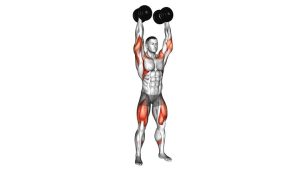
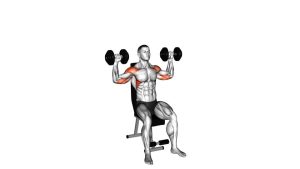
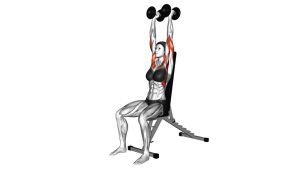
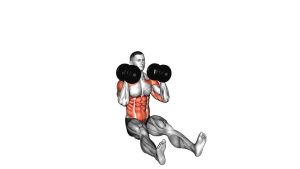
This exercise works best when the press is controlled, upright, and symmetrical. First, sit tall on the floor with both legs extended. Then, hold the dumbbells at shoulder height and press them overhead without leaning back. Because the lower body cannot assist, the movement quickly exposes weak shoulder stability, limited overhead mobility, or poor trunk control.
Quick Overview
| Body Part | Shoulders |
|---|---|
| Primary Muscle | Deltoids, especially front and side shoulders |
| Secondary Muscle | Triceps, upper chest, traps, serratus anterior, abs, obliques, and spinal stabilizers |
| Equipment | Pair of dumbbells and a flat floor surface |
| Difficulty | Intermediate because it requires shoulder mobility, core control, and strict pressing mechanics |
Sets & Reps (By Goal)
- Strength: 3–5 sets × 4–6 reps with controlled rest of 90–150 seconds.
- Muscle growth: 3–4 sets × 8–12 reps with a steady tempo and 60–90 seconds rest.
- Core and shoulder stability: 2–4 sets × 6–10 reps with a slower lower and 60–90 seconds rest.
- Technique practice: 2–3 sets × 5–8 reps using light dumbbells and perfect posture.
Progression rule: Add reps first, then increase load gradually. However, never progress the weight if you must lean back, flare the ribs, or lose the straight-leg seated position.
Setup / Starting Position
- Sit on the floor: Extend both legs straight forward and keep the knees as straight as your mobility allows.
- Set your posture: Sit tall through the spine, brace the abs gently, and avoid rounding the upper back.
- Bring dumbbells to shoulder level: Hold one dumbbell in each hand with elbows bent and stacked under the wrists.
- Keep the chest controlled: Stay upright without pushing the ribs forward or leaning behind the hips.
- Prepare to press: Keep the shoulders down, eyes forward, and dumbbells close to the shoulder line.
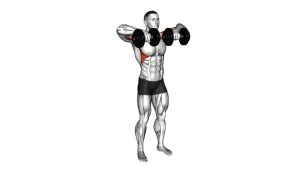
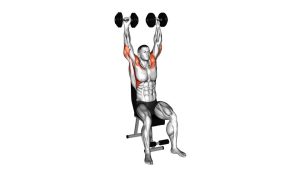
The video shows the exercise performed with both legs extended and the dumbbells starting near shoulder height. Therefore, the setup should stay strict and supported only by your own trunk control.
Execution (Step-by-Step)
- Brace before the press: Tighten the abs lightly and keep your torso tall before the dumbbells move.
- Press upward: Drive both dumbbells vertically overhead while extending the elbows smoothly.
- Stay stacked: Keep the dumbbells above the shoulders instead of letting them drift too far forward or backward.
- Reach full control at the top: Finish with arms extended overhead, shoulders stable, and torso still upright.
- Lower with control: Bend the elbows and return the dumbbells to shoulder height without dropping or bouncing.
- Reset each rep: Re-brace, check your posture, and repeat only if the seated position remains clean.
Pro Tips & Common Mistakes
- Press straight up: Keep the dumbbells moving in a vertical path over the shoulders.
- Avoid leaning back: Leaning turns the movement into a supported press and reduces the strict core demand.
- Do not rush the descent: Lowering slowly builds better shoulder control and protects the joints.
- Keep the legs extended: Bending or shifting the legs can reduce the strict Z-Press challenge.
- Control the ribs: If your ribs flare upward, brace harder and use lighter dumbbells.
- Use a full but safe range: Press to overhead extension only if you can do it without pain or compensation.
- Match both arms: Both dumbbells should rise and lower together without one side lagging behind.
FAQ
What muscles does the Dumbbell Z-Press work?
The Dumbbell Z-Press mainly works the shoulders, especially the front and side deltoids. In addition, the triceps assist the press, while the abs, obliques, and spinal stabilizers work hard to keep the torso upright.
Is the Dumbbell Z-Press harder than a seated dumbbell press?
Yes, it is usually harder because you sit on the floor with no bench support and no leg drive. As a result, your shoulders must press strictly, and your core must stabilize the body throughout the full repetition.
Should beginners do the Dumbbell Z-Press?
Beginners can practice the movement with very light dumbbells. However, many beginners should first build overhead mobility, basic dumbbell pressing strength, and seated posture control before using challenging loads.
Why do I lean back during the Z-Press?
Leaning back often happens when the weight is too heavy, the core is not braced, or overhead mobility is limited. Therefore, reduce the load, sit taller, and press only through a range you can control.
Can I use the Dumbbell Z-Press for shoulder muscle growth?
Yes. Although it is strict and technical, it can build shoulder muscle when performed with enough volume and control. For hypertrophy, use moderate dumbbells, smooth reps, and sets of 8–12 without losing posture.
Recommended Equipment
- Adjustable Dumbbells — ideal for progressing the Z-Press safely without needing many fixed dumbbells.
- Rubber Hex Dumbbells — stable, durable, and easy to use for strict shoulder pressing workouts.
- Thick Exercise Mat — adds comfort under the hips while sitting on the floor.
- Weightlifting Wrist Wraps — useful for wrist support during heavier dumbbell pressing sessions.
- Shoulder Mobility Stick — helpful for warming up overhead range before strict pressing.
Tip: Choose equipment that improves control, not ego lifting. The Dumbbell Z-Press rewards clean posture, strong bracing, and smooth overhead mechanics.