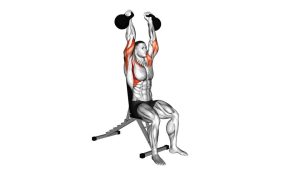
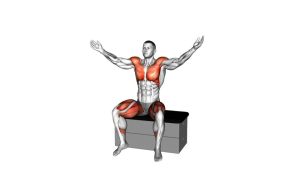
Dumbbell Standing Bent-Arm Lateral Raise: Form, Muscles Worked, Sets, Tips & FAQ
Learn how to perform the Dumbbell Standing Bent-Arm Lateral Raise with proper form. Discover muscles worked, setup, step-by-step execution, sets and reps by goal, mistakes to avoid, FAQs, and useful equipment.
Dumbbell Standing Bent-Arm Lateral Raise
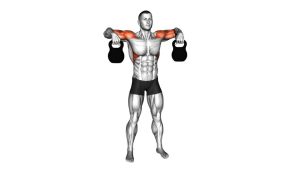
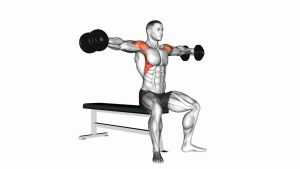
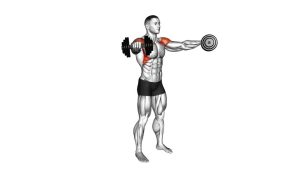
This exercise is best performed with a light to moderate load and strict technique. The goal is not to swing the dumbbells up, but to raise the upper arms out to the sides until the elbows reach about shoulder height. The bent-arm position helps many lifters maintain better control, reduce excessive wrist strain, and keep tension where it belongs: in the middle delts.
Quick Overview
| Body Part | Shoulders |
|---|---|
| Primary Muscle | Lateral deltoid (middle delt) |
| Secondary Muscle | Anterior deltoid, supraspinatus, upper traps (stabilizing), core |
| Equipment | Pair of dumbbells |
| Difficulty | Beginner to Intermediate |
Sets & Reps (By Goal)
- Muscle growth: 3–4 sets × 10–15 reps, 45–75 sec rest
- Shoulder definition / general toning: 2–4 sets × 12–20 reps, 30–60 sec rest
- Technique practice: 2–3 sets × 8–12 reps with very light weight, 45–60 sec rest
- Finisher work: 2–3 sets × 15–20 reps with controlled tempo and no swinging
Progression rule: Increase reps first, then increase weight in small jumps. Keep every rep clean before progressing.
Setup / Starting Position
- Stand tall: Place your feet about hip-width apart and keep your chest lifted with a neutral spine.
- Hold the dumbbells at your sides: Use a neutral grip with palms facing inward.
- Bend your elbows slightly: Keep a consistent bend in the elbows throughout the set rather than straightening and re-bending during the movement.
- Brace your core: Tighten the midsection gently to avoid swaying or leaning backward.
- Set the shoulders: Keep the shoulders down and relaxed instead of shrugged toward the ears.
Tip: Think of your elbows as the “drivers” of the movement. This helps keep emphasis on the side delts.
Execution (Step-by-Step)
- Start from the sides: Let the dumbbells hang naturally near your outer thighs with the elbows already bent.
- Raise outward: Lift both arms out to the sides in a wide arc, leading with the elbows rather than the hands.
- Stop around shoulder height: Bring the elbows up until the upper arms are about parallel to the floor or slightly below, depending on comfort.
- Pause briefly: Squeeze the side delts for a moment at the top without shrugging.
- Lower under control: Bring the dumbbells back down slowly to the starting position without dropping them.
- Repeat smoothly: Maintain the same elbow angle and avoid using momentum on later reps.
Pro Tips & Common Mistakes
- Lead with the elbows: This usually improves lateral delt engagement and reduces hand-dominant lifting.
- Keep the bend fixed: Do not turn the movement into a press or upright row.
- Use controlled tempo: Lift in 1–2 seconds and lower in 2–3 seconds.
- Avoid swinging: Momentum shifts tension away from the shoulders and increases joint stress.
- Do not shrug: Excessive shrugging brings the upper traps into the movement too much.
- Stop at a comfortable range: Shoulder height is usually enough for most lifters.
- Keep wrists neutral: Avoid bending the wrists back or turning the dumbbells into awkward positions.
FAQ
What does the bent-arm variation do differently from a regular lateral raise?
Bending the elbows shortens the lever arm, which often makes the movement easier to control and can reduce the challenge compared with straight-arm lateral raises. It is still excellent for targeting the lateral deltoids.
Where should I feel this exercise most?
You should mainly feel it in the side delts. A little trap involvement is normal, but the shoulders should do most of the work.
How heavy should the dumbbells be?
Use a load that lets you raise and lower the weights with strict form. For most people, lighter dumbbells work better than expected on shoulder isolation work.
Should I raise above shoulder height?
Usually no. Raising to about shoulder height is enough for most lifters and often feels better on the joints while still training the target muscles effectively.
Can beginners do this exercise?
Yes. This is a beginner-friendly shoulder isolation movement, especially when performed with light weights and slow control.
Recommended Equipment
- Adjustable Dumbbells — versatile for progressive overload and space-saving home workouts
- Neoprene Dumbbell Set — beginner-friendly option for lighter shoulder isolation work
- Light Micro-Load Dumbbells — useful for precise progression on delt-focused exercises
- Wrist Wraps — optional support if your wrists fatigue during higher-rep shoulder sessions
- Full-Length Exercise Mirror — helpful for checking elbow path, shoulder height, and torso stability
Choose dumbbells that allow strict, repeatable reps. For this movement, control matters more than lifting heavy.