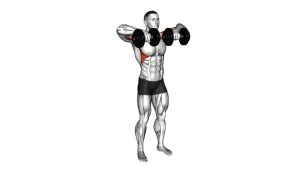
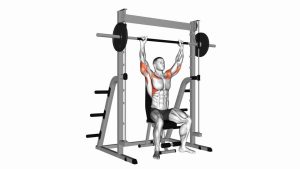
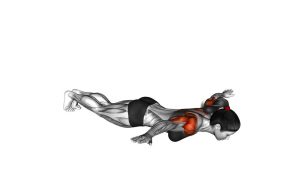
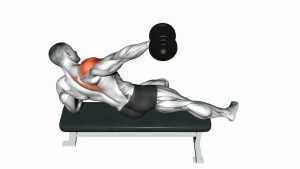
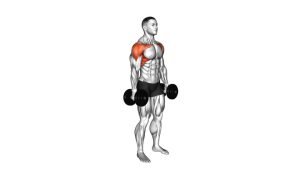
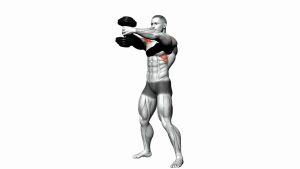
Incline Dumbbell Front Raise: Proper Form, Sets, Tips & FAQ
Learn the Incline Dumbbell Front Raise for front delt isolation with strict, chest-supported form. Includes setup, execution, sets by goal, common mistakes, FAQs, and recommended equipment.
Incline Dumbbell Front Raise
This exercise works best with moderate weight, clean technique, and controlled tempo. The incline setup makes it harder to cheat, which improves front-delt focus and mind-muscle connection. You should feel the work mainly in the front of the shoulders, not in the lower back, traps, or neck.
Quick Overview
| Body Part | Shoulders |
|---|---|
| Primary Muscle | Anterior deltoid (front delts) |
| Secondary Muscle | Upper chest (clavicular pec), serratus anterior, upper shoulder stabilizers |
| Equipment | Dumbbells and an incline bench |
| Difficulty | Beginner to Intermediate |
Sets & Reps (By Goal)
- Muscle growth: 3–4 sets × 10–15 reps with 45–75 seconds rest
- Shoulder control / clean form: 2–3 sets × 8–12 reps with slow tempo and light-to-moderate load
- Finisher / pump work: 2–3 sets × 12–20 reps with short rest and strict form
- Technique practice: 2 sets × 10–12 reps using very light dumbbells and full control
Progression rule: Increase reps first, then load. Only add weight when you can raise and lower the dumbbells without shrugging, swinging, or cutting the range short.
Setup / Starting Position
- Set the bench: Adjust an incline bench to a low-to-moderate incline, usually around 30–45 degrees.
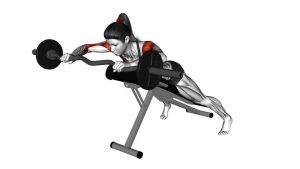
- Get chest-supported: Lie face-down with your chest firmly supported and your feet planted for balance.
- Hold the dumbbells: Let the arms hang down naturally with a neutral grip and a slight bend in the elbows.
- Set posture: Keep the neck neutral, chest supported, shoulders down, and core braced.
- Start from dead-hang control: The dumbbells should begin below shoulder level without bouncing.
Tip: This variation is more effective when the chest stays in contact with the bench throughout the set.
Execution (Step-by-Step)
- Brace and stabilize: Press your chest lightly into the bench and keep your neck long and relaxed.
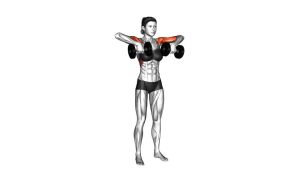
- Raise the dumbbells forward: Lift both dumbbells in front of you in a smooth arc while maintaining a slight elbow bend.
- Stop around shoulder height: Raise until your arms are roughly parallel to the floor, or slightly below if that feels cleaner.
- Pause briefly: Hold the top for a moment without shrugging the shoulders toward your ears.
- Lower under control: Bring the dumbbells back down slowly to the starting position and reset before the next rep.
Pro Tips & Common Mistakes
- Use lighter weight than standing front raises: The incline support removes cheating, so strict reps feel harder.
- Keep the elbows soft: A slight bend reduces joint stress and helps maintain a smooth arc.
- Do not shrug: Keep the upper traps quiet so the front delts stay loaded.
- Avoid excessive range: Going too high often turns the movement into a compensation-heavy raise.
- Control the eccentric: Lowering slowly improves tension and technique.
- Do not swing off the bottom: Every rep should start under control, not with momentum.
FAQ
What muscles does the incline dumbbell front raise target most?
It mainly targets the anterior deltoids, which are the front portion of the shoulders. The upper chest and stabilizing muscles also assist, but the front delts should do most of the work.
Why use an incline bench for front raises?
The incline bench limits body swing and momentum, which makes the movement stricter and improves front-delt isolation. It is a great option for lifters who want cleaner reps and better shoulder control.
How high should I raise the dumbbells?
Most lifters should raise the dumbbells to about shoulder height. You do not need to go higher if it causes shrugging, joint stress, or loss of control.
Should I use a neutral grip or palms-down grip?
A neutral grip often feels more comfortable on the shoulders and is commonly used for this variation. Use the grip that lets you lift with clean mechanics and no pain.
Where should I place this exercise in a workout?
It usually works best after big compound presses or in the middle-to-late part of a shoulder workout, where you can focus on isolation and control rather than maximum load.
Recommended Equipment
- Adjustable Dumbbell Set — versatile loading for progressive shoulder isolation work at home
- Adjustable Weight Bench — essential for setting the correct incline angle and keeping the movement strict
- Resistance Bands Set — useful for warm-ups, shoulder activation, and extra front-delt volume
- Exercise Mat — helps create a more stable and comfortable training area around the bench
- Wrist Wraps — optional support if front raises bother your wrists during higher-volume training
Tip: Choose equipment that helps you maintain clean form and gradual progression rather than chasing the heaviest possible setup.