Lever Shoulder Press (Plate-Loaded): Proper Form, Sets, Tips & FAQ
Learn how to perform the Lever Shoulder Press (Plate-Loaded) with proper form for stronger shoulders and safer pressing mechanics. Includes setup, execution, sets and reps by goal, mistakes to avoid, FAQ, and recommended equipment.
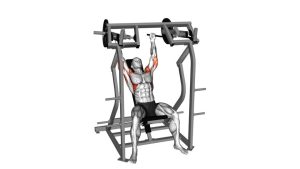
Lever Shoulder Press (Plate-Loaded)
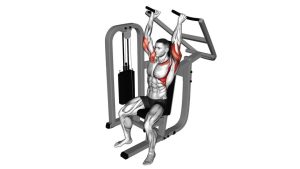
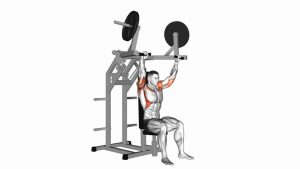
This exercise works best when the seat height, handle position, and range of motion match your shoulder mechanics. You should feel the delts doing the bulk of the work, with help from the triceps. Avoid turning it into a full-body push by arching hard through the lower back or bouncing the weight at the bottom.
Quick Overview
| Body Part | Shoulders |
|---|---|
| Primary Muscle | Anterior deltoid (front delts) |
| Secondary Muscle | Lateral deltoid, triceps, upper chest (minor assistance) |
| Equipment | Plate-loaded lever shoulder press machine and weight plates |
| Difficulty | Beginner to Intermediate |
Sets & Reps (By Goal)
- Muscle growth: 3-4 sets × 8-12 reps, 60-90 sec rest
- Strength focus: 4-5 sets × 5-8 reps, 90-150 sec rest
- Technique / controlled volume: 2-3 sets × 10-15 reps, 45-75 sec rest
- Shoulder finisher: 2-3 sets × 12-15 reps with smooth tempo and strict form
Progression rule: Add reps before adding load when possible. Increase the weight only when you can keep the same clean pressing path, stable torso position, and full control on the way down.
Setup / Starting Position
- Adjust the seat: Set the seat so the handles start around shoulder level or slightly below, without forcing your shoulders into an awkward angle.
- Load the machine evenly: Add the same amount of weight to both sides.
- Sit tall against the pad: Keep your head neutral, chest up naturally, and lower back supported without excessive arching.
- Plant the feet firmly: Use the floor for stability so the torso stays quiet during the press.
- Grip the handles securely: Keep wrists neutral and elbows aligned under or slightly in front of the handles.
Tip: If the bottom position feels cramped or your shoulders roll forward, the seat height may need adjustment.
Execution (Step-by-Step)
- Brace lightly: Lock in your upper back against the pad and keep the ribs under control.
- Press upward smoothly: Drive the handles up through the machine’s path without jerking or using momentum.
- Keep shoulders organized: Let the delts do the work while avoiding exaggerated shrugging toward the ears.
- Stop just short of an aggressive lockout: Reach near full extension while keeping tension on the working muscles.
- Lower with control: Bring the handles back down slowly until you reach a strong, comfortable bottom position.
- Repeat with the same tempo: Every rep should look the same, with no bouncing or collapsing at the bottom.
Pro Tips & Common Mistakes
- Use the machine path, don’t fight it: Keep your pressing motion smooth and aligned with the handles.
- Control the eccentric: The lowering phase should be deliberate, not a free fall.
- Don’t overload too early: Heavy plates can quickly turn this into a sloppy torso-driven press.
- Watch the lower back: A small natural arch is fine, but excessive lumbar extension shifts stress away from the shoulders.
- Keep wrists stacked: Neutral wrists usually feel stronger and more comfortable than bent-back wrists.
- Use a shoulder-friendly range: Go deep only if you can do so without pain, shoulder rolling, or loss of tension.
- Avoid crashing the bottom: Rebounding out of the start position reduces control and can irritate the shoulders.
FAQ
What muscles does the Lever Shoulder Press target most?
The main target is the anterior deltoid, with additional work from the lateral delts and triceps. Depending on your setup and machine angle, the upper chest may assist slightly.
Is the plate-loaded shoulder press good for beginners?
Yes. The fixed movement path can help beginners learn pressing mechanics while staying more stable than many free-weight variations. Proper seat adjustment and moderate loading are still important.
Should I lock out fully at the top?
You can reach near full extension, but avoid slamming into an aggressive lockout. Staying controlled at the top helps keep tension on the shoulders and reduces unnecessary joint stress.
How low should I lower the handles?
Lower the handles to a comfortable bottom position where you still maintain shoulder control, chest position, and neutral wrists. If going deeper causes pain or shoulder rolling, shorten the range slightly.
Can this replace dumbbell or barbell overhead pressing?
It can be an excellent main or accessory shoulder press, especially for hypertrophy. Free weights still offer different stability demands, so whether it replaces them depends on your goals, injury history, and training plan.
Recommended Equipment
- Olympic Weight Plates — essential for loading most plate-loaded shoulder press machines
- Wrist Wraps — useful for extra wrist support during heavier pressing sets
- Weightlifting Gloves — can improve grip comfort and reduce handle pressure on the hands
- Resistance Band Set — useful for shoulder warm-ups, activation drills, and accessory work
- Heavy-Duty Lifting Wrist Supports — a good option for lifters who press heavier loads and want more support
Tip: Accessories should improve comfort and setup quality, not compensate for poor pressing mechanics or excessive loading.