Pike Push-Up Between Benches: Form, Muscles Worked, Sets, Tips & FAQ
Learn how to do the Pike Push-Up Between Benches with proper form to build shoulder strength, triceps control, and overhead pressing mechanics. Includes setup, execution, sets by goal, mistakes, FAQs, and recommended equipment.
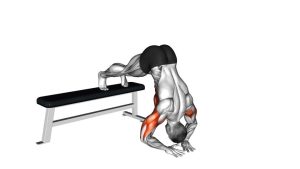
Pike Push-Up (Between Benches)
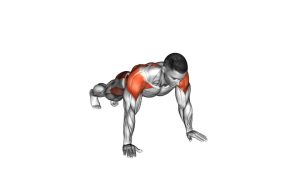
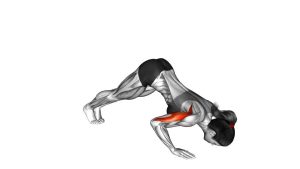
This variation is more demanding than a regular pike push-up because the bench setup increases shoulder loading and requires better balance, mobility, and body awareness. It works best when each rep is controlled, the elbows bend smoothly, and the torso stays stable from start to finish. You should feel the front of the shoulders and triceps doing the majority of the work, while the core helps you hold the inverted position.
Quick Overview
| Body Part | Shoulders |
|---|---|
| Primary Muscle | Anterior deltoids |
| Secondary Muscle | Triceps, upper chest, serratus anterior, core stabilizers |
| Equipment | Two flat benches or similar sturdy elevated surfaces |
| Difficulty | Intermediate to Advanced |
Sets & Reps (By Goal)
- Strength: 3–5 sets × 4–8 reps, 90–150 sec rest
- Muscle growth: 3–4 sets × 6–12 reps, 60–90 sec rest
- Skill and control: 2–4 sets × 5–8 slow reps, 60–90 sec rest
- Bodyweight shoulder endurance: 2–3 sets × 10–15 reps, 45–75 sec rest
Progression rule: First improve range of motion, rep quality, and control. Then add reps, slower eccentrics, pauses at the bottom, or move toward more vertical pike and handstand push-up progressions.
Setup / Starting Position
- Place the benches securely: Use two sturdy benches or elevated platforms positioned so your body can fit between them safely without slipping.
- Hands on one bench, feet on the other: Set your palms shoulder-width apart on the front bench and place your feet on the rear bench.
- Lift the hips high: Walk the feet in as needed to form a strong pike position, creating an inverted “V” shape.
- Stack the upper body: Keep the head between the arms, shoulders active, elbows extended, and core braced.
- Start balanced: Distribute your weight mainly through the hands while keeping the feet light but stable.
Tip: The more vertical your torso becomes, the more shoulder-dominant the exercise feels.
Execution (Step-by-Step)
- Brace and hold the pike: Tighten the core, keep the hips high, and maintain a stable upper-back position.
- Lower under control: Bend the elbows and let the head travel down between the hands toward the bench.
- Keep the elbows working naturally: Let them track slightly out to the sides, but do not flare excessively.
- Reach the bottom with control: Lower until your head approaches the bench or until your shoulder mobility allows a strong and pain-free range.
- Press back up: Drive through the palms, extend the elbows, and push the body back to the starting pike position.
- Reset before the next rep: Re-establish balance, keep the hips high, and repeat without losing posture.
Pro Tips & Common Mistakes
- Keep the hips high: A high hip position is what makes the exercise shoulder-focused.
- Lower the head between the hands: Do not dive too far forward like a decline push-up.
- Control the eccentric: A slow lowering phase improves shoulder strength and stability.
- Do not rush lockout: Finish each rep fully without bouncing out of the bottom.
- Avoid excessive elbow flare: Too much flare can place unnecessary stress on the shoulders.
- Do not let the lower back sag: Keep the core engaged so the torso stays strong and supported.
- Use a safe range of motion: More depth is only useful if you can control it without pain.
- Progress gradually: Master floor pike push-ups before using benches.
FAQ
What muscles does the Pike Push-Up Between Benches work most?
The movement mainly targets the anterior deltoids, with strong assistance from the triceps. The upper chest and serratus also help, while the core stabilizes the body throughout the set.
Is this exercise better than a normal pike push-up?
It is not automatically better, but it is more challenging. Elevating the setup increases the load on the shoulders and can provide a stronger progression for people training toward handstand push-ups.
How deep should I go?
Lower until your head comes close to the bench or until you reach a strong, pain-free bottom position. Depth should never come at the expense of shoulder control or bench stability.
Can beginners do this variation?
Most beginners should first learn incline push-ups, standard push-ups, and floor pike push-ups. This bench variation is usually better suited for intermediate lifters with solid shoulder control.
Is this a good alternative to overhead pressing?
Yes. It is one of the best bodyweight shoulder pressing variations because it closely mimics the mechanics of a vertical press while also challenging stability and control.
Recommended Equipment
- Flat Weight Bench — useful for setting up stable elevated positions for bodyweight pressing variations
- Push-Up Bars — can reduce wrist strain and improve pressing comfort during shoulder-focused push-up work
- Parallettes — great for bodyweight pressing progressions, deeper range of motion, and calisthenics training
- Resistance Bands Set — useful for warm-ups, shoulder activation, and assistance work before pressing sessions
- Exercise Mat — adds comfort and grip around your setup area, especially during bodyweight shoulder sessions
Tip: Always choose stable equipment for elevated bodyweight work. Wobbly benches or slick surfaces can make this exercise unnecessarily risky.