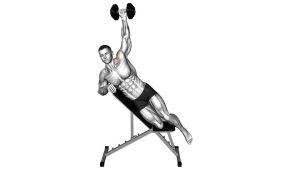
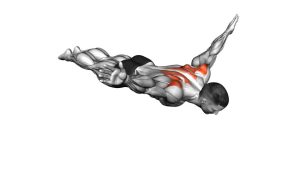
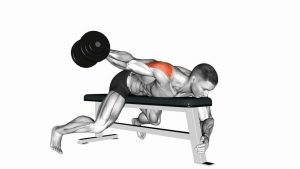
Shoulder Transverse Abduction: Form, Muscles Worked, Sets, Tips & FAQ
Learn how to perform Shoulder Transverse Abduction with proper form to target the rear delts and upper-back stabilizers. Includes setup, step-by-step execution, sets and reps by goal, common mistakes, FAQ, and recommended equipment.
Shoulder Transverse Abduction
This exercise works best with light-to-moderate resistance and strict form. You should feel tension in the rear shoulders and around the upper back, not in the neck or lower back. Since this is an isolation-style movement, clean reps matter more than heavy loading. A slight elbow bend is fine, but the arm path should stay wide and controlled from start to finish.
Quick Overview
| Body Part | Shoulders |
|---|---|
| Primary Muscle | Posterior deltoid (rear delts) |
| Secondary Muscle | Rhomboids, middle trapezius, rotator cuff stabilizers |
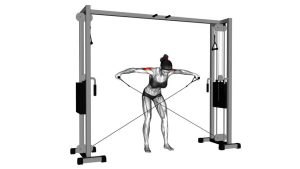
| Equipment | Dumbbells, resistance bands, or cable machine |
| Difficulty | Beginner to Intermediate |
Sets & Reps (By Goal)
- Muscle activation / warm-up: 2–3 sets × 12–20 reps with light resistance and very strict tempo
- Muscle building: 3–4 sets × 10–15 reps with controlled form and 45–75 sec rest
- Shoulder stability / posture support: 2–4 sets × 12–18 reps with a pause at the top
- Technique practice: 2–3 sets × 8–12 reps using very light weight and slow eccentrics
Progression rule: Increase reps first, then load in small increments. If momentum, shrugging, or neck tension appears, the weight is too heavy for the intended training effect.
Setup / Starting Position
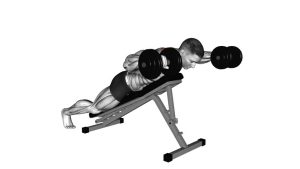
- Choose your position: Stand hinged forward at the hips, sit on a bench and lean forward, or use a chest-supported incline bench for extra stability.
- Hold the resistance: Use a pair of dumbbells, cable handles, or resistance bands with a neutral or slightly pronated grip.
- Set your torso: Keep your spine neutral, chest open, and core braced. Avoid rounding the upper back excessively.
- Let the arms hang naturally: Start with the weights below the shoulders and keep a soft bend in the elbows.
- Pack the shoulders: Keep the shoulders down and away from the ears before initiating the lift.
Tip: A chest-supported bench is one of the easiest ways to reduce cheating and keep the stress on the rear delts.
Execution (Step-by-Step)
- Brace and set: Lock in your torso position and keep your head neutral with eyes focused slightly downward.
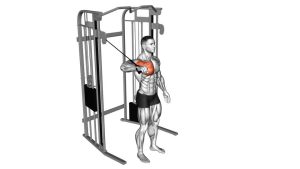
- Lift wide: Raise the arms out to the sides in a wide arc, leading with the elbows instead of the hands.
- Move in the transverse plane: Think about spreading the arms apart rather than pulling them backward like a row.
- Reach the top under control: Stop when the upper arms are about level with the shoulders or when you can no longer maintain clean posture.
- Pause briefly: Squeeze the rear delts and upper back for 1 second without shrugging.
- Lower slowly: Return to the start with control, resisting gravity the whole way down.
Pro Tips & Common Mistakes
- Lead with the elbows: This helps keep the rear delts involved instead of turning the movement into a trap-dominant shrug.
- Use lighter weight than you think: Rear-delt work responds well to control, pauses, and clean range.
- Keep the neck relaxed: Do not crane the head up or tense the upper traps.
- Don’t swing the torso: Momentum reduces shoulder isolation and shifts work away from the target muscles.
- Avoid excessive elbow flexion: Too much bend can make the movement drift toward a rowing pattern.
- Stop at useful range: Lifting above your controlled shoulder line often creates compensation instead of better rear-delt tension.
- Use tempo for difficulty: Try a 2-second raise, 1-second squeeze, and 3-second lower before increasing load.
FAQ
What muscles does shoulder transverse abduction work?
The main target is the posterior deltoid. Supporting muscles include the rhomboids, middle traps, and smaller shoulder stabilizers that help control the scapula and humerus.
Is shoulder transverse abduction the same as a rear delt raise?
In practical gym programming, yes—many rear delt raise variations train the same basic transverse abduction pattern. The exact setup may change based on whether you use dumbbells, cables, bands, or a machine.
Should I go heavy on this exercise?
Usually no. This movement is most effective with moderate or lighter loads that let you keep a wide arm path, stable torso, and zero momentum. Heavy loading often turns it into a different exercise.
Why do I feel this more in my traps than my rear delts?
That usually happens when the shoulders shrug upward, the weight is too heavy, or the arm path becomes too vertical. Lower the load, keep the shoulders down, and think about moving the elbows wide rather than “up.”
Can beginners use bands instead of dumbbells?
Yes. Resistance bands can work very well for beginners because they provide lighter starting resistance and make it easier to practice clean motion before progressing to dumbbells or cables.
Recommended Equipment (Optional)
- Amazon Basics Neoprene Dumbbells — ideal for strict rear-delt work and beginner-friendly loading options
- Amazon Basics Rubber Hex Dumbbells — a solid choice if you want heavier, more durable dumbbells for long-term training
- Fit Simplify Resistance Loop Bands — useful for warm-ups, posture drills, and lighter rear-delt activation sessions
- Adjustable Weight Bench — helpful for chest-supported rear-delt raises and reducing body English
- Cable Machine Single Handles — useful if you perform single-arm cable transverse abduction variations in a home gym
Tip: Start with lighter resistance than you use for presses or rows. This exercise rewards precision, posture, and time under tension more than brute force.