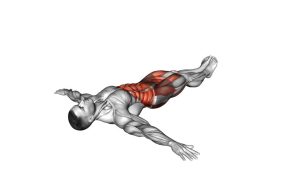
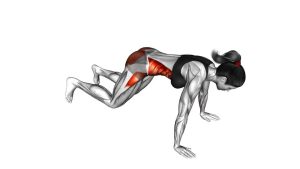
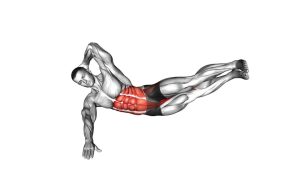
Plank Pike Slide with Towel: Core Form, Benefits, Sets & Tips
Learn the Plank Pike Slide with Towel to strengthen abs, shoulders, and core control with proper form, sets, tips, mistakes, FAQs, and equipment.
Plank Pike Slide with Towel
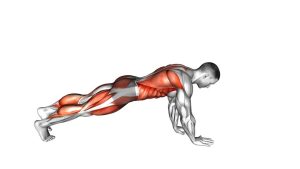
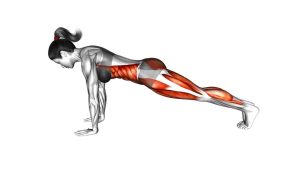
This exercise works best when the body moves as one controlled unit. First, the high plank position creates full-body tension. Then, the feet slide forward as the hips rise into an inverted V shape. Finally, the feet slide back until the body returns to a straight plank line. Although the towel makes the movement smoother, it also increases the demand on your core because your feet can easily slide too far if you lose control.
Quick Overview
| Body Part | Core |
|---|---|
| Primary Muscle | Rectus abdominis |
| Secondary Muscle | Obliques, hip flexors, shoulders, triceps, serratus anterior, lower-back stabilizers |
| Equipment | Towel or core sliders; smooth floor surface recommended |
| Difficulty | Intermediate because it requires plank strength, shoulder stability, and controlled sliding |
Sets & Reps (By Goal)
- Core control: 2–3 sets × 6–10 slow reps with 45–75 seconds rest
- Strength endurance: 3–4 sets × 8–12 reps with 60–90 seconds rest
- Advanced core training: 4 sets × 10–15 reps with strict plank alignment
- Warm-up activation: 1–2 sets × 5–8 easy reps before a core or upper-body session
Progression rule: Add reps only when every return to plank stays controlled. After that, progress by slowing the lowering phase or using core sliders instead of a towel.
Setup / Starting Position
- Place a towel under both feet: Use a smooth floor so the towel can slide without sticking.
- Start in a high plank: Keep your hands under your shoulders and your arms fully extended.
- Set your body line: Brace your abs, squeeze the glutes lightly, and keep your legs straight.
- Keep your head neutral: Look slightly down so the neck stays aligned with the spine.
- Create shoulder stability: Push the floor away without shrugging aggressively.
Setup matters because the towel creates less friction. Therefore, your core must stay active before the first slide begins.
Execution (Step-by-Step)
- Begin in a strong plank: Keep the shoulders stacked above the hands and the body straight from head to heels.
- Slide the feet forward: Pull the feet toward the hands while keeping the legs mostly straight.
- Lift the hips: Raise the hips upward into a pike shape as the feet move closer to the hands.
- Reach the top position: Pause briefly when the hips are high and the body forms an inverted V.
- Slide back with control: Push the feet backward slowly until the body returns to a straight plank.
- Reset before the next rep: Brace again, keep the elbows straight, and repeat without rushing.
Pro Tips & Common Mistakes
- Move slowly: A controlled slide builds more core tension than a fast, momentum-based rep.
- Keep the arms straight: Bending the elbows turns the movement into an unstable push-up variation.
- Do not drop the hips: Sagging during the return can overload the lower back.
- Keep the feet together: A narrow foot position increases control and keeps the slide consistent.
- Lift through the hips: Think about folding from the hips rather than simply dragging the feet.
- Control the return: The backward slide is just as important as the pike phase.
- Avoid shoulder collapse: Press the floor away so the upper back remains stable.
- Use a shorter range first: If the full pike is too difficult, slide halfway forward and return cleanly.
FAQ
What muscles does the Plank Pike Slide with Towel work?
It mainly works the rectus abdominis, while the obliques, hip flexors, shoulders, triceps, and serratus anterior assist with stability. Additionally, the lower back and glutes help maintain plank alignment.
Is the Plank Pike Slide with Towel good for abs?
Yes. This exercise is excellent for abs because the core must pull the feet forward, lift the hips, and control the body during the return to plank.
Is this exercise beginner-friendly?
It is better for intermediate users. However, beginners can reduce the range, perform slow mountain climber slides, or practice a standard plank first before progressing.
Why does my lower back hurt during this exercise?
Lower-back discomfort often happens when the hips drop during the return phase. To fix this, brace harder, shorten the slide, and stop each rep before your plank line breaks.
Can I use sliders instead of a towel?
Yes. Core sliders work very well, especially on carpet or gym flooring. A towel is best on smooth floors, while sliders are more versatile across different surfaces.
Recommended Equipment
- Core Exercise Sliders — a smoother alternative to a towel for plank pikes, knee tucks, and sliding core drills
- Workout Towel — useful for towel slide variations on smooth floors
- Non-Slip Exercise Mat — helps support the hands and wrists during high-plank positions
- Wrist Support Wraps — optional support for users who feel wrist fatigue during plank exercises
- Resistance Bands Set — helpful for shoulder stability and core warm-up exercises before plank pike slides
Tip: Choose equipment that improves control instead of making the slide too fast. If your feet move too quickly, shorten the range and slow the tempo.