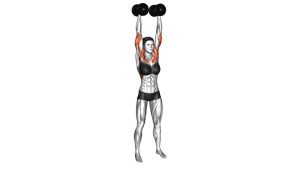
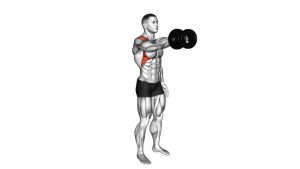
Dumbbell Incline One-Arm Lateral Raise: Form, Muscles Worked, Sets & Tips
Learn how to do the Dumbbell Incline One-Arm Lateral Raise with proper form. Discover muscles worked, setup, step-by-step execution, sets and reps by goal, common mistakes, FAQs, and recommended equipment.
Dumbbell Incline One-Arm Lateral Raise
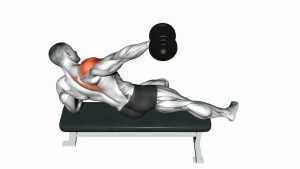
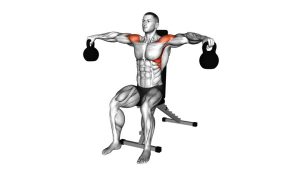
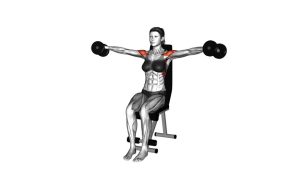
This variation is excellent for lifters who want to build the middle delts without relying on body English. Because the bench supports the torso, the working shoulder has to do more of the job. The result is a more controlled rep, better tension through the side delt, and less cheating than in many standing lateral raise variations.
Quick Overview
| Body Part | Shoulders |
|---|---|
| Primary Muscle | Lateral deltoid (middle deltoid) |
| Secondary Muscle | Supraspinatus, anterior deltoid, upper traps (minimal if form is strict), core stabilizers |
| Equipment | Dumbbell, adjustable incline bench |
| Difficulty | Beginner to Intermediate |
Sets & Reps (By Goal)
- Muscle growth: 3–4 sets × 10–15 reps per arm with 45–75 sec rest
- Shoulder control / isolation: 2–4 sets × 12–18 reps per arm with slow tempo
- Strength-endurance: 2–3 sets × 15–20 reps per arm using lighter weight and clean form
- Warm-up / activation: 1–2 sets × 12–15 reps per arm with very light weight
Progression rule: Add reps before adding load. Increase the dumbbell only when you can keep the shoulder down, avoid swinging, and control both the top and the lowering phase.
Setup / Starting Position
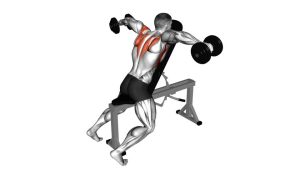
- Set the bench: Adjust an incline bench to a moderate angle that lets your torso rest comfortably against it.
- Position your body: Lie sideways against the bench so your torso is supported and stable.
- Grip the dumbbell: Hold the dumbbell in the top-side hand with a neutral grip and a slight bend in the elbow.
- Brace lightly: Use the other hand or forearm against the bench for balance and control.
- Start from the bottom: Let the working arm hang naturally below the shoulder without shrugging.
Tip: A lighter dumbbell usually works better here than in standing raises because the bench removes momentum.
Execution (Step-by-Step)
- Set your shoulder: Keep the working shoulder packed down and your chest quiet against the bench.
- Raise laterally: Lift the dumbbell out to the side in a smooth arc, leading with the elbow.
- Stop around shoulder height: Bring the upper arm to about parallel with the floor, or slightly below if that feels better on your shoulder.
- Pause briefly: Hold for a moment while maintaining tension in the side delt.
- Lower with control: Bring the dumbbell back down slowly to the start without letting it drop.
- Repeat evenly: Keep every rep looking the same—no twisting, shrugging, or swinging.
Pro Tips & Common Mistakes
- Lead with the elbow: Think about moving the elbow out rather than lifting the hand.
- Keep a soft bend in the arm: Don’t lock the elbow completely.
- Don’t shrug: The upper traps should not dominate the movement.
- Use controlled range: Shoulder height is usually enough—higher is not always better.
- Avoid turning it into a front raise: Keep the path out to the side, not forward.
- Slow eccentric matters: The lowering phase is one of the best parts of this exercise for delt stimulus.
- Choose precision over load: This is an isolation exercise, not a heaving movement.
FAQ
What muscle does the incline one-arm lateral raise target most?
The main target is the lateral deltoid, which helps build shoulder width. Secondary muscles help stabilize, but the goal is to keep most of the tension on the side delt.
Why use an incline bench for lateral raises?
The bench reduces momentum and makes it harder to cheat. That usually improves control, consistency, and side-delt isolation.
How heavy should I go?
Use a weight you can raise smoothly without shrugging, twisting, or losing the side-raise path. Most lifters need less weight here than they expect.
Should I raise above shoulder height?
Usually no. Shoulder height or slightly below is enough for most people. Going much higher can reduce tension quality and may irritate some shoulders.
Is this exercise good for beginners?
Yes. It can be very beginner-friendly because the bench support teaches cleaner mechanics and helps reduce momentum.
Recommended Equipment
- Adjustable Workout Bench — essential for setting the incline angle and keeping the torso supported
- Adjustable Dumbbell Set — makes it easy to progress load in small jumps for strict shoulder isolation work
- Light Neoprene Dumbbell Set — useful for beginners, high-rep shoulder work, and precise lateral raise technique
- Resistance Bands Set — great for pairing with warm-ups, shoulder activation, and delt burnout work
- Neck & Shoulder Relaxer / Cervical Support Tool — optional recovery accessory if your upper traps and neck get overly tense during shoulder training
Tip: For this exercise, a stable bench and appropriately light dumbbells usually matter more than chasing heavy weights.