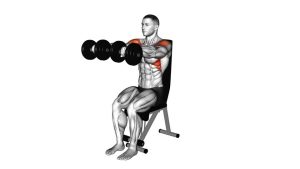
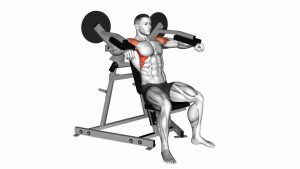
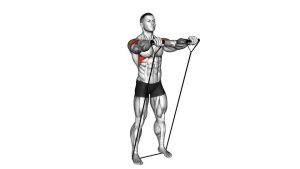
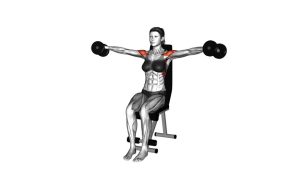
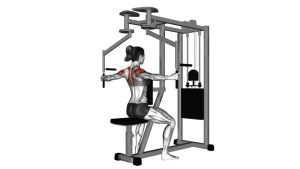
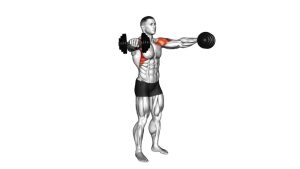
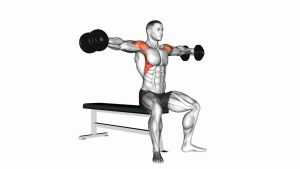
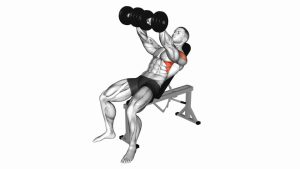
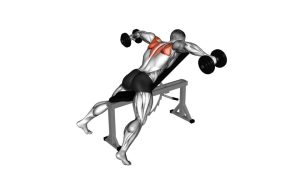
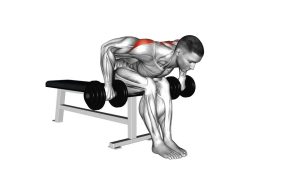
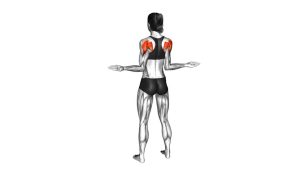
Dumbbell Rear Delt Raise : Proper Form, Rear Delt Tips, Sets & FAQ
Learn how to perform the Dumbbell Rear Delt Raise with proper form to target the rear shoulders, improve upper-back balance, and build better posture. Includes setup, execution, sets and reps, mistakes, FAQ, and recommended equipment.
Dumbbell Rear Delt Raise
This exercise works best with light-to-moderate weight and excellent control. The goal is to move from the shoulders, not from momentum. You should feel the work mostly in the rear shoulders, with assistance from the rhomboids and middle traps. If the neck tightens, the traps take over, or the torso starts bouncing, the load is probably too heavy.
Quick Overview
| Body Part | Rear Shoulders |
|---|---|
| Primary Muscle | Rear deltoids (posterior delts) |
| Secondary Muscle | Rhomboids, middle trapezius, rotator cuff stabilizers |
| Equipment | Pair of dumbbells |
| Difficulty | Beginner to Intermediate |
Sets & Reps (By Goal)
- Muscle building: 3–4 sets × 10–15 reps with controlled tempo and 45–75 sec rest
- Shoulder balance / posture: 2–4 sets × 12–20 reps with lighter weight and smooth form
- Warm-up / activation: 2–3 sets × 12–15 reps using very light dumbbells
- Technique practice: 2–3 sets × 8–12 reps with slower eccentrics and strict body position
Progression rule: Increase reps before load. Rear delts respond best when you keep the motion clean, avoid swinging, and control the lowering phase.
Setup / Starting Position
- Grab two dumbbells: Start with a manageable weight that allows strict control.
- Set your stance: Stand with feet about hip-width apart and a slight bend in the knees.
- Hinge at the hips: Push the hips back and lean the torso forward while keeping a neutral spine.
- Let the arms hang naturally: Hold the dumbbells below the shoulders with palms facing each other.
- Brace lightly: Keep the core engaged, neck neutral, and shoulders away from the ears.
Tip: A stronger hip hinge usually improves rear delt loading and reduces the chance of turning the exercise into an upright swing.
Execution (Step-by-Step)
- Start from the bottom: Let the dumbbells hang under the shoulders with soft elbows.
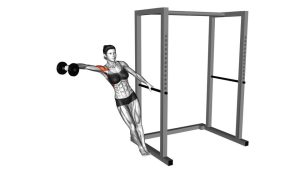
- Raise out to the sides: Lift the arms in a wide arc until the elbows reach about shoulder height.
- Keep the elbows fixed: Maintain a slight bend without turning the movement into a row.
- Pause briefly at the top: Squeeze the rear delts without shrugging the shoulders upward.
- Lower under control: Bring the dumbbells back to the start slowly and keep tension throughout.
Pro Tips & Common Mistakes
- Lead with the elbows: This helps keep the rear delts loaded instead of overusing the hands and traps.
- Use a moderate range: Stop where the rear delts stay in control and the shoulders do not shrug.
- Keep the neck neutral: Avoid craning the head up during the set.
- Do not swing the torso: Momentum reduces tension on the target muscles.
- Avoid turning it into a row: Pulling the elbows too far back shifts emphasis to the upper back.
- Choose lighter weights than you think: Rear delts usually respond better to precision than heavy loading.
FAQ
What muscles does the Dumbbell Rear Delt Raise work?
It primarily targets the rear deltoids. The rhomboids, middle traps, and small shoulder stabilizers also assist.
Should I use heavy or light dumbbells for rear delt raises?
Most lifters get better results with light-to-moderate dumbbells. Using too much weight often causes swinging, shrugging, and loss of rear delt isolation.
Why do I feel this more in my traps than my rear delts?
That usually happens when the shoulders shrug upward, the neck tenses, or the weight is too heavy. Reduce the load, keep the shoulders down, and focus on a smooth side raise path.
Is this the same as a reverse fly?
They are very similar. In practice, many people use the names interchangeably when describing a bent-over rear shoulder raise with dumbbells.
Can beginners do this exercise?
Yes. Beginners should start with very light dumbbells and learn the hip hinge first. Strict form matters more than heavy resistance.
Recommended Equipment
- BowFlex SelectTech Adjustable Dumbbells — versatile for progressive overload without needing multiple dumbbell pairs
- Amazon Basics Adjustable Dumbbell — a practical option for home training and smaller exercise progressions
- NICEPEOPLE Adjustable Weight Bench — useful if you want chest-supported rear delt raises or more stable upper-body setup options
- Resistance Bands Set — helpful for rear delt warm-ups, band pull-aparts, and shoulder activation work
- ProsourceFit Resistance Bands — a simple accessory option for light shoulder prep and posture-focused accessory work
Tip: For this exercise, better results usually come from control and consistency rather than heavy loading. Choose equipment that helps you keep the movement strict.