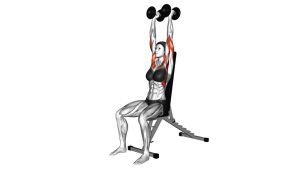
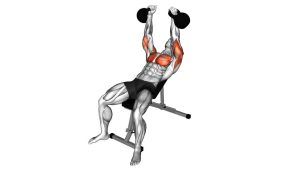
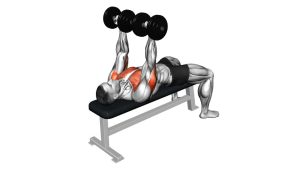
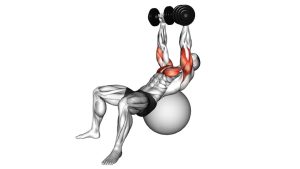
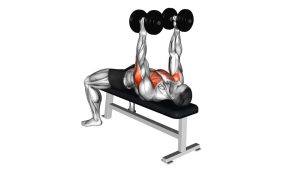
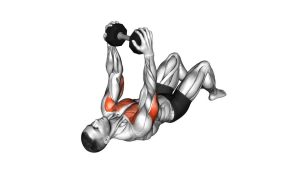
Dumbbell Incline Palm-In Press: Proper Form, Sets & Reps, Tips & FAQ
Learn the Dumbbell Incline Palm-In Press (neutral-grip incline press) to build upper chest with shoulder-friendly form. Step-by-step technique, sets by goal, mistakes to avoid, FAQs, and recommended equipment.
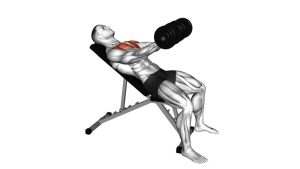
Dumbbell Incline Palm-In Press
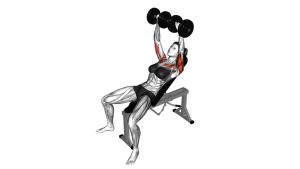
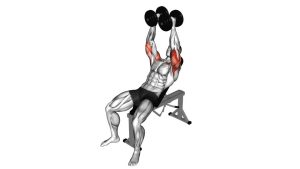
This variation is ideal if standard incline pressing bothers your shoulders or if you want a cleaner, more controlled dumbbell path. The priority is a stable shoulder blade, a neutral wrist, and a smooth, repeatable rep—not maximum load.
Quick Overview
| Body Part | Chest |
|---|---|
| Primary Muscle | Upper chest (clavicular head of pectoralis major) |
| Secondary Muscle | Front delts, triceps, scapular stabilizers (serratus anterior/rotator cuff) |
| Equipment | Incline bench + dumbbells |
| Difficulty | Beginner–Intermediate (easier on shoulders than a wide-grip incline press) |
Sets & Reps (By Goal)
- Muscle growth (hypertrophy): 3–5 sets × 8–12 reps (60–120 sec rest)
- Strength focus: 4–6 sets × 4–8 reps (2–3 min rest)
- Control / shoulder-friendly pressing: 2–4 sets × 10–15 reps (60–90 sec rest)
- Finisher / pump work: 2–3 sets × 12–20 reps (45–75 sec rest)
Progression rule: First add reps until you hit the top of the range with perfect form, then increase dumbbell load slightly. Keep the same incline angle for consistent tracking.
Setup / Starting Position
- Set the bench: Use a moderate incline (about 20–35°) to bias the upper chest without turning it into a shoulder press.
- Foot and torso stability: Feet planted, glutes on the bench, ribs down. Maintain a natural upper-back arch (not excessive).
- Shoulders set: Pull shoulder blades down and back lightly—create a stable base before you press.
- Grip and wrist: Hold dumbbells with palms facing each other (neutral grip). Keep wrists stacked over elbows (no wrist bend).
- Elbow position: Elbows slightly tucked (roughly 30–45° from the torso). Avoid flaring wide.
Tip: If you feel shoulder discomfort, reduce the bench angle and keep the dumbbells closer to the torso at the bottom.
Execution (Step-by-Step)
- Start controlled: Dumbbells over the upper chest with a neutral grip. Brace your core and keep your shoulders packed.
- Lower with control: Inhale and lower the dumbbells to the sides of the upper chest. Keep elbows slightly tucked and forearms mostly vertical.
- Pause briefly: At the bottom, maintain tension—don’t relax or bounce. Your shoulders should still feel stable and “set.”
- Press up and slightly in: Exhale and drive the dumbbells upward while keeping palms facing each other. Bring them closer at the top (no clanking needed).
- Stop short of hard lockout: Finish the rep with strong chest tension and soft elbows, then repeat with the same smooth path.
Pro Tips & Common Mistakes
Pro Tips
- Use a modest incline: A lower incline often hits the upper chest better and spares the shoulders.
- Keep the dumbbells “connected” to the chest: Think controlled arcs—down to upper chest, up and slightly in.
- Own the eccentric: Lower for 2–3 seconds to increase chest tension and improve stability.
- Neutral grip = shoulder-friendly: Great option if wide pressing or flared elbows bother you.
- Stop 1–2 reps shy of failure on heavy sets: Keep shoulders stable and reps consistent.
Common Mistakes
- Bench angle too high: Turns the movement into a shoulder press and reduces upper-chest emphasis.
- Elbows flaring wide: Often increases shoulder stress and reduces pressing efficiency.
- Wrist bending back: Causes unstable pressing and wasted force—keep wrists stacked.
- Bouncing at the bottom: Increases injury risk and reduces muscle tension.
- Shoulders rolling forward: Loses your base—re-set shoulder blades before continuing.
FAQ
What does “palm-in” change compared to a normal incline dumbbell press?
The neutral grip typically keeps the shoulder in a more comfortable position and encourages a slightly tucked elbow path. Many lifters find it easier to feel the chest and avoid shoulder irritation.
How steep should the incline be for upper chest?
Most lifters do best around 20–35°. Too steep shifts work toward the front delts and can change the dumbbell path. If your press feels like a shoulder press, lower the angle.
Where should I feel it?
You should feel strong tension in the upper chest with support from the triceps and front delts. If you feel shoulder pinching, reduce range of motion, lower the incline, and keep elbows slightly tucked.
Can I touch the dumbbells together at the top?
You can bring them close, but you don’t need to clank them. Focus on chest tension and control. Keeping a small gap often maintains better stability.
Is this better than barbell incline press?
Not “better,” just different. Dumbbells allow more natural joint movement and help correct left-right imbalances. Barbells can be great for loading heavier. Choose the one that fits your goals and feels best on your shoulders.
Recommended Equipment (Optional)
- Adjustable Incline Bench — stable incline angles for consistent upper-chest pressing
- Adjustable Dumbbells — convenient progressive overload without buying many pairs
- Wrist Wraps (Optional) — helpful if wrists fatigue before chest/triceps on heavier sets
- Resistance Bands Set — great for warm-ups (band pull-aparts) and shoulder prep
- Foam Roller — supports thoracic mobility work to improve incline pressing position
Tip: For best results, pair pressing with upper-back work (rows/face pulls) to keep shoulders healthy and posture strong.