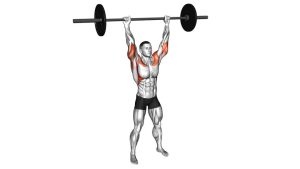
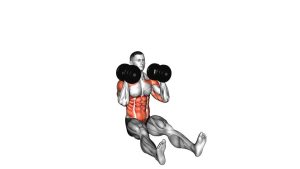
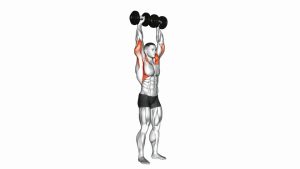
Barbell Z Press: Proper Form, Muscles Worked, Sets, Tips & FAQ
Learn how to do the Barbell Z Press with proper form. Discover muscles worked, setup, step-by-step execution, sets and reps by goal, common mistakes, FAQs, and recommended equipment.
Barbell Z Press
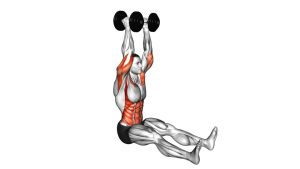
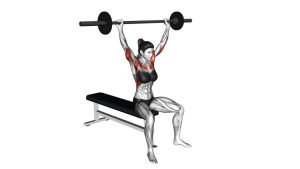
The Barbell Z Press is all about strict control. Because you are seated on the floor, you cannot rely on momentum, lower-body drive, or excessive back lean to move the bar overhead. That makes this exercise excellent for lifters who want to improve shoulder strength, pressing mechanics, midline stability, and mobility awareness. The movement should feel strong and controlled, not rushed or loose.
Quick Overview
| Body Part | Shoulders |
|---|---|
| Primary Muscle | Anterior deltoids, lateral deltoids |
| Secondary Muscle | Triceps, upper chest, upper back stabilizers, abdominals, spinal stabilizers |
| Equipment | Barbell, weight plates, floor space or lifting platform |
| Difficulty | Intermediate (requires coordination, mobility, and strong trunk control) |
Sets & Reps (By Goal)
- Strength: 4-5 sets × 3-6 reps with 90-150 sec rest
- Muscle building: 3-4 sets × 6-10 reps with 60-90 sec rest
- Technique and control: 3-4 sets × 5-8 reps with moderate load and perfect form
- Shoulder stability / warm-up progression: 2-3 sets × 8-12 reps with light weight
Progression rule: Add load only when you can keep your legs straight, torso upright, and the bar path vertical without leaning back or losing control at lockout.
Setup / Starting Position
- Sit on the floor: Extend both legs straight in front of you with heels on the ground and knees fully extended or only slightly soft.
- Set your posture: Sit tall with the chest up, ribs stacked, and core braced. Avoid rounding the lower back.
- Rack the bar: Hold the barbell at upper-chest or shoulder level with a grip slightly wider than shoulder width.
- Position the elbows: Keep elbows slightly in front of the bar, not flared excessively wide.
- Brace before pressing: Tighten the abs and glutes lightly so the torso stays upright during the press.
Tip: If you cannot sit tall with straight legs, improve hamstring and hip mobility first or elevate the hips slightly while learning the movement pattern.
Execution (Step-by-Step)
- Start strong in the rack position: Keep the wrists stacked over the forearms and the bar under control at shoulder height.
- Press straight up: Drive the bar vertically overhead while keeping the torso as upright as possible.
- Move the head out of the way: As the bar passes your face, slightly move the head back, then bring it through once the bar is overhead.
- Lock out overhead: Finish with elbows straight, shoulders active, and the bar stacked above the shoulders and torso.
- Lower with control: Bring the bar back down to the starting position slowly without collapsing the chest or leaning back.
- Repeat cleanly: Every rep should look nearly identical, with no bouncing, jerking, or momentum.
Pro Tips & Common Mistakes
- Sit tall before every rep: Don’t start from a slouched position.
- Press in a vertical line: Keep the bar close to the face as it travels upward.
- Brace hard: Your abs are a major part of this exercise, not just your shoulders.
- Don’t lean back: Excessive torso lean turns the lift into a poor seated press variation.
- Keep the legs active: Straight, engaged legs help stabilize the position.
- Use manageable loads: The Z Press rewards precision more than ego lifting.
- Own the lowering phase: Controlled eccentrics improve shoulder stability and position awareness.
FAQ
What muscles does the Barbell Z Press work most?
It mainly targets the front and side deltoids, while the triceps, upper chest, upper back, and core assist with pressing and stabilizing the body.
Why is the Z Press harder than a regular overhead press?
Because you are seated on the floor with no leg drive and very little ability to lean back, the exercise demands more strict shoulder strength, core stiffness, and mobility.
Is the Barbell Z Press good for building overhead press strength?
Yes. It can improve pressing mechanics, bar path awareness, and trunk control, which often helps lifters become more efficient in other overhead press variations.
What if I cannot sit upright with straight legs?
That usually points to limitations in hamstring flexibility, hip mobility, or trunk positioning. You can work on mobility, lighten the load, or temporarily elevate the hips while practicing good posture.
Should beginners use the Barbell Z Press?
Beginners can learn it, but many will progress faster by first mastering dumbbell presses, half-kneeling presses, or lighter strict overhead work before loading the barbell Z Press heavily.
Recommended Equipment
- 7-Foot Olympic Barbell — the main tool for performing the Barbell Z Press with proper sleeve size and balanced loading
- Olympic Bumper Plates — durable plates that fit standard Olympic barbells and are practical for home or garage gym setups
- Adjustable Squat Stands — useful for setting the bar at a manageable height before getting into the seated floor position
- Rubber Gym Floor Mat — helps create a more stable, comfortable training surface and protects flooring
- Weightlifting Wrist Wraps — useful for lifters who want extra wrist support during heavier overhead pressing
Tip: Choose equipment that supports stable setup and clean pressing mechanics rather than just adding more load.