Dumbbell Alternate Z-Press: Proper Form, Sets, Benefits & FAQ
Learn how to do the Dumbbell Alternate Z-Press with proper form. Build shoulder strength, improve core stability, fix imbalances, and discover sets, reps, mistakes, FAQs, and recommended equipment.
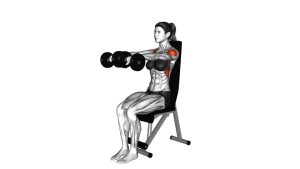
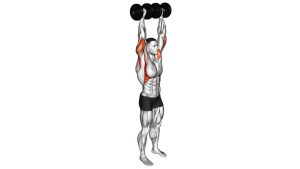
Dumbbell Alternate Z-Press
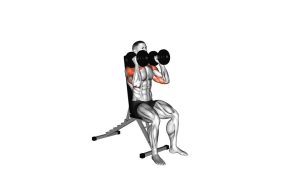
The Dumbbell Alternate Z-Press is excellent for lifters who want to build strict overhead pressing strength while improving posture and control. Because you sit on the floor without back support, the movement teaches you to brace the core, keep the torso upright, and stabilize each shoulder independently. It is especially useful for exposing side-to-side strength differences that are often hidden in regular seated or standing presses.
Quick Overview
| Body Part | Shoulders |
|---|---|
| Primary Muscle | Anterior deltoids |
| Secondary Muscle | Lateral deltoids, triceps, upper chest, core stabilizers |
| Equipment | Dumbbells |
| Difficulty | Intermediate |
Sets & Reps (By Goal)
- Strength: 4–5 sets × 4–6 reps per side with 90–150 seconds of rest
- Muscle growth: 3–4 sets × 8–12 reps per side with 60–90 seconds of rest
- Shoulder stability and control: 2–4 sets × 8–10 reps per side with slow tempo and controlled pauses
- Technique practice / warm-up: 2–3 sets × 6–8 reps per side using light dumbbells
Progression rule: Increase the weight only when you can keep a tall seated posture, avoid leaning back, and control both the pressing arm and the non-working arm throughout the full set.
Setup / Starting Position
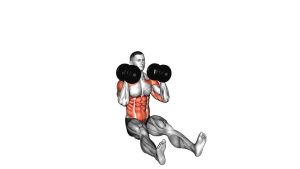
- Sit on the floor: Extend both legs straight in front of you and flex your feet naturally.
- Stack your posture: Sit tall with a neutral spine, chest up, and ribs pulled down.
- Hold a dumbbell in each hand: Bring both dumbbells to shoulder height with elbows slightly in front of the body.
- Brace the core: Tighten your abs and glutes to prevent leaning or arching during the press.
- Set the shoulders: Keep the shoulders down and stable before beginning the first rep.
Tip: If hamstring tightness makes it hard to stay upright, sit on a folded mat or low pad to improve pelvic position and torso alignment.
Execution (Step-by-Step)
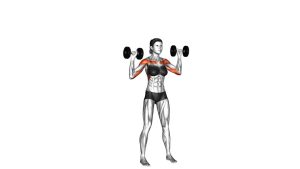
- Start from the rack position: Hold both dumbbells at shoulder level while keeping the torso tall and steady.
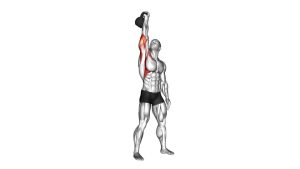
- Press one arm overhead: Drive one dumbbell straight up until the elbow is extended and the weight is stacked over the shoulder.
- Keep the opposite side loaded: Maintain the other dumbbell at shoulder height without letting the elbow collapse.
- Lower under control: Bring the pressing dumbbell back down slowly to the start position.
- Alternate sides: Press with the other arm while keeping your core braced and avoiding side bending.
- Repeat evenly: Continue alternating reps in a smooth rhythm until the set is complete.
Pro Tips & Common Mistakes
- Sit tall from the first rep: Don’t let the lower back round or the chest collapse.
- Press vertically: Keep the dumbbell path stacked over the shoulder instead of drifting too far forward.
- Brace before every rep: A strong core keeps the torso from rocking side to side.
- Control the non-working arm: Don’t let the resting dumbbell drop too low or lose tension.
- Use moderate loads: This movement is more effective when performed strictly than when overloaded.
- Avoid flaring the ribs: Excessive rib flare usually means you are compensating with spinal extension.
- Lower slowly: The eccentric phase builds more control and shoulder stability.
FAQ
What makes the Dumbbell Alternate Z-Press different from a normal shoulder press?
The Z-Press is done seated on the floor with the legs extended, which removes leg drive and back support. That makes the movement much stricter and increases the demand on the shoulders and core.
What muscles does the Dumbbell Alternate Z-Press work most?
It mainly targets the front delts, while also training the side delts, triceps, and core stabilizers. The alternating pattern also increases unilateral shoulder stability.
Why is alternating the dumbbells useful?
Alternating reps forces each side to stabilize independently and keeps the non-working side under tension. This can help expose imbalances and improve control from side to side.
Can beginners do this exercise?
Beginners can use it, but it is usually better suited to intermediate lifters because it requires shoulder mobility, trunk stability, and good posture awareness. Start light and master the setup first.
What should I do if I cannot sit upright with straight legs?
If you round your lower back when sitting on the floor, elevate your hips slightly on a pad or low platform. This often makes it easier to keep a neutral spine and press safely.
Recommended Equipment
- Adjustable Dumbbells — ideal for progressive overload and convenient shoulder training at home
- Exercise Mat — adds comfort and grip when performing the Z-Press on the floor
- Weightlifting Belt — optional support for bracing awareness during heavier pressing work
- Foam Pad or Seat Cushion — helpful for lifters who need a small hip elevation to maintain upright posture
- Light Resistance Bands — useful for shoulder warm-ups and mobility work before pressing
Tip: The Z-Press usually works best with moderate loads and strict control, so supportive setup tools can improve form more than simply adding weight.