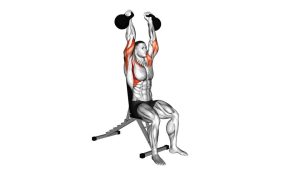
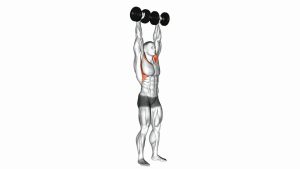
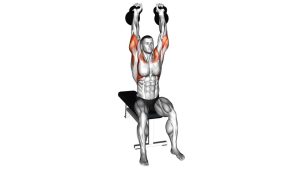
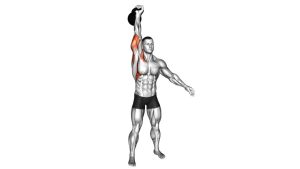
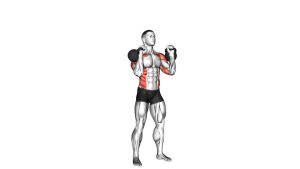
Barbell Standing Shoulder Press: Proper Form, Muscles Worked, Sets, Tips & FAQ
Learn how to do the Barbell Standing Shoulder Press with proper form. Discover muscles worked, setup, execution steps, sets and reps by goal, common mistakes, FAQs, and recommended equipment.
Barbell Standing Shoulder Press
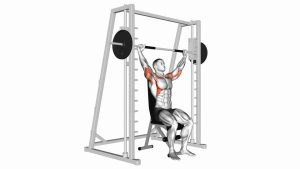
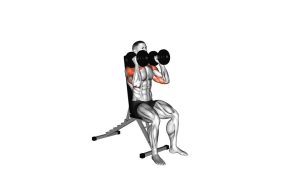
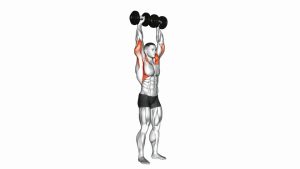
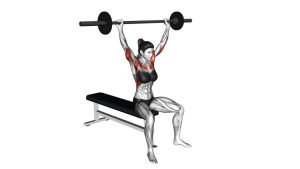
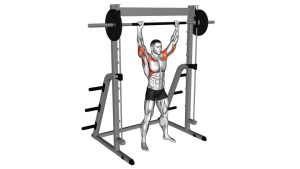
This exercise works best when you combine strict overhead pressing mechanics with full-body tension. The shoulders and triceps drive the lift, while the abs, glutes, and upper back help keep your torso stable. A good rep looks smooth and controlled from the upper chest to full lockout overhead, without turning the movement into a leaning back “incline press.”
Quick Overview
| Body Part | Shoulders |
|---|---|
| Primary Muscle | Anterior deltoids (front shoulders) |
| Secondary Muscle | Lateral deltoids, triceps, upper chest, upper traps, serratus anterior, core stabilizers |
| Equipment | Barbell, weight plates, optional squat rack or power rack |
| Difficulty | Intermediate |
Sets & Reps (By Goal)
- Strength: 4–6 sets × 3–6 reps, 2–3 minutes rest
- Muscle building: 3–5 sets × 6–10 reps, 75–120 seconds rest
- Technique practice: 3–4 sets × 5–8 reps with moderate load, 60–90 seconds rest
- General fitness: 2–4 sets × 8–12 reps, 60–90 seconds rest
Progression rule: Add small amounts of weight only when you can press through the full range with a stable torso, smooth lockout, and no excessive back lean.
Setup / Starting Position
- Set the bar height: Position the bar in a rack around upper-chest height so you can unrack it without wasting energy.
- Grip the bar: Place your hands just outside shoulder width. Wrists should stay stacked and neutral, not folded too far back.
- Unrack with control: Step back carefully and plant your feet about hip- to shoulder-width apart.
- Start in the front rack: Hold the bar near the upper chest/clavicle area with elbows slightly in front of the bar.
- Brace the body: Tighten your abs, squeeze your glutes, keep your ribcage down, and maintain a tall posture.
Tip: Before each rep, think “tight legs, tight abs, straight press” to keep the lift strict and efficient.
Execution (Step-by-Step)
- Take a breath and brace: Fill your torso with air and lock your body in place before the press begins.
- Press the bar upward: Drive the bar straight up from the upper chest using your shoulders and triceps.
- Move your head slightly back: As the bar passes your face, shift your head back just enough to keep the bar path efficient and close.
- Finish overhead: Once the bar clears the forehead, bring your head through and stack the bar over your shoulders and mid-foot.
- Lock out under control: Fully extend the elbows without shrugging wildly or losing torso position.
- Lower slowly: Bring the bar back down to the upper chest in a controlled path and reset before the next rep.
Pro Tips & Common Mistakes
- Brace hard before every rep: A loose core often leads to lower-back overextension.
- Keep the bar close: A close bar path is stronger and more shoulder-friendly than pressing out in front.
- Do not turn it into a push press: Avoid dipping the knees unless you intentionally want a leg-driven variation.
- Use full-body tension: Squeeze glutes and quads to stay stable through the press.
- Watch elbow position: Elbows slightly forward at the bottom usually creates a stronger pressing line than flaring them too far out.
- Don’t overarch: Leaning back too much shifts stress away from the shoulders and onto the lower back.
- Control the descent: The lowering phase helps reinforce good mechanics and shoulder stability.
FAQ
What muscles does the Barbell Standing Shoulder Press work?
The main target is the anterior deltoid. The movement also trains the lateral delts, triceps, upper chest, upper traps, and core stabilizers.
Is the standing version harder than the seated shoulder press?
Yes, for most lifters. The standing version requires more core control, balance, and full-body stability, which makes it more demanding even with similar loads.
Should I press the bar straight up or slightly back?
The bar should move in a strong vertical path over your base of support. That usually means starting near the upper chest, moving around the face efficiently, then finishing with the bar stacked overhead.
Can beginners do the Barbell Standing Shoulder Press?
Yes, but beginners should start with a light bar, empty barbell, or even dumbbells first if mobility and control are limited. Good bracing and shoulder mobility matter more than heavy weight.
What is the most common mistake in this exercise?
One of the most common mistakes is excessive lower-back arching. This usually happens when the load is too heavy or the lifter loses abdominal and glute tension during the press.
Recommended Equipment
- Olympic Barbell — the main tool for performing standing barbell shoulder presses
- Power Rack — makes unracking and reracking safer, especially when training heavier
- Bumper Plates — useful for progressive loading and home-gym barbell training
- Weightlifting Wrist Wraps — helpful for extra wrist support during heavier overhead pressing
- Weightlifting Belt — optional support for bracing during heavier strength-focused sets
Tip: Choose equipment that improves stability, safety, and progressive loading. Accessories should support good form, not replace it.