Bottle-Weighted Alternate Front Raise: Form, Muscles Worked, Sets & Tips
Learn how to perform the Bottle-Weighted Alternate Front Raise with proper form. Discover muscles worked, setup, execution steps, sets by goal, common mistakes, FAQs, and recommended equipment.
Bottle-Weighted Alternate Front Raise
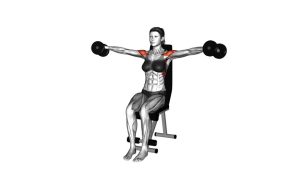
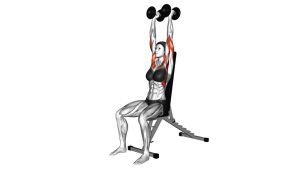
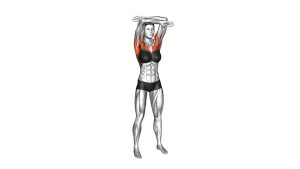
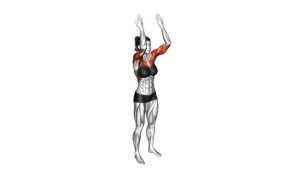
This variation works especially well for beginners, home workouts, and light hypertrophy-focused shoulder sessions. Because the movement is unilateral and alternating, it becomes easier to control the pace, keep tension on the front delts, and avoid turning the exercise into a full-body swing. Smooth reps matter more than heavy loading here.
Quick Overview
| Body Part | Front Shoulders |
|---|---|
| Primary Muscle | Anterior deltoid |
| Secondary Muscle | Upper chest, lateral deltoid, serratus anterior, core stabilizers, forearms/grip |
| Equipment | Two weighted bottles, water jugs, or similar household weights |
| Difficulty | Beginner |
Sets & Reps (By Goal)
- Muscle tone / general fitness: 2–4 sets × 10–15 reps per arm
- Shoulder hypertrophy: 3–4 sets × 8–12 reps per arm with slow lowering
- Endurance / light conditioning: 2–3 sets × 15–20 reps per arm
- Warm-up / activation: 1–2 sets × 10–12 controlled reps per arm with very light load
Progression rule: Increase reps first, then slow the tempo, then increase the bottle weight only when you can lift to shoulder height without torso sway or shrugging.
Setup / Starting Position
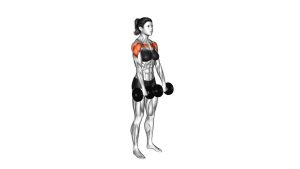
- Stand tall: Place your feet about hip-width apart and keep your knees softly unlocked.
- Hold one bottle in each hand: Let the arms hang by your sides with a neutral grip.
- Brace lightly: Keep your ribs down, core engaged, and chest tall without arching the lower back.
- Relax the shoulders: Let the shoulder blades stay stable and down rather than shrugged upward.
- Start from stillness: Do not swing the bottles to begin the rep.
Tip: A lighter bottle with stricter form usually trains the front delts better than a heavier bottle you have to swing.
Execution (Step-by-Step)
- Raise one arm forward: Lift one bottle in front of your body with the elbow slightly bent.
- Stop at shoulder height: Bring the bottle to about parallel with the floor, not far above it.
- Pause briefly: Hold the top for a split second while keeping the torso still.
- Lower with control: Bring the bottle back down slowly to the starting position.
- Switch sides: Repeat the same motion with the opposite arm and continue alternating.
Pro Tips & Common Mistakes
- Lift only to shoulder height: Going much higher often shifts tension away from the clean front-delt raise.
- Keep the ribs down: Do not turn the movement into a standing back bend.
- Use alternating control: One arm works while the other rests, which helps technique stay cleaner.
- Do not swing the bottle: Momentum reduces shoulder isolation.
- Keep the neck relaxed: Avoid shrugging or tensing the traps to “help” the weight up.
- Choose practical loading: Uneven or bulky bottles are fine, but they should still be controllable.
FAQ
What muscles does the Bottle-Weighted Alternate Front Raise work?
The main target is the anterior deltoid, which is the front part of the shoulder. The upper chest, lateral deltoid, core, and forearms also assist with stability and control.
Is this a good substitute for dumbbell front raises?
Yes. Weighted bottles or water jugs can work well when dumbbells are not available. The key is to use a weight that allows strict, controlled reps rather than swinging.
Should both arms lift together or alternate?
In this variation, the arms alternate. That usually makes the movement easier to control and helps reduce momentum and lower-back compensation.
Why do I feel it in my traps more than my shoulders?
That often happens when the load is too heavy or the shoulders shrug during the raise. Lower the weight, slow the tempo, and focus on keeping the shoulders down and the torso steady.
Can beginners use this exercise?
Yes. It is beginner-friendly, especially for home workouts. Start with light bottles and aim for clean shoulder-height reps before adding more load.
Recommended Equipment
- Adjustable Dumbbells — ideal for progressive overload once bottle weights become too light
- Neoprene Dumbbell Pair — great for controlled shoulder raises and beginner-friendly home training
- Resistance Bands Set with Handles — useful for shoulder warm-ups, front raise variations, and lighter high-rep work
- Wrist Weights — an alternative for low-load shoulder endurance and light front-raise progressions
- Light Dumbbell Pair — simple option for strict reps when you want more balanced loading than water bottles
Tip: For front raises, lighter tools with better control usually outperform heavier tools that force body swing.