Forearm Push Forward: Proper Form, Sets, Tips & FAQ
Learn the Forearm Push Forward to target the front delts with smooth, controlled shoulder flexion. Includes proper form, sets by goal, setup, execution, mistakes, FAQs, and recommended equipment.
Forearm Push Forward
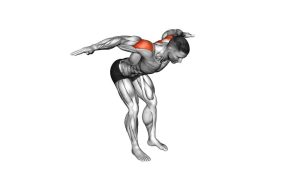
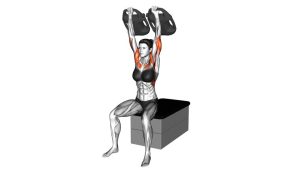
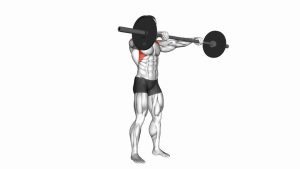
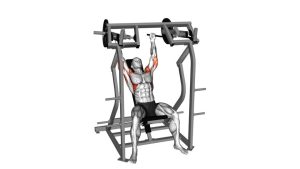
This exercise is most effective when performed with light effort, a short range of motion, and steady control. You should feel the front of the shoulders working while the neck stays relaxed and the torso stays quiet. It is not meant to be a heavy pressing movement. Small, smooth reps usually create better shoulder tension than trying to force a bigger range.
Quick Overview
| Body Part | Shoulders |
|---|---|
| Primary Muscle | Anterior deltoid (front delts) |
| Secondary Muscle | Upper chest, serratus anterior, rotator cuff stabilizers |
| Equipment | None for patterning; optional light dumbbells, bands, or cable resistance |
| Difficulty | Beginner |
Sets & Reps (By Goal)
- Warm-up / activation: 2–3 sets × 10–15 reps with slow, easy control
- Muscle endurance: 2–4 sets × 12–20 reps with light resistance and short rest
- Technique practice: 2–3 sets × 8–12 reps focusing on clean mechanics and posture
- Finisher work: 2–3 sets × 15–20 reps with smooth tempo and strict form
Progression rule: First improve control, then add reps, then add a small amount of resistance. If the movement starts looking like a press or causes trap dominance, the load is too high.
Setup / Starting Position
- Stand tall: Keep your feet about hip-width apart and your core lightly braced.
- Set the shoulders: Let the shoulders stay down and relaxed instead of shrugging.
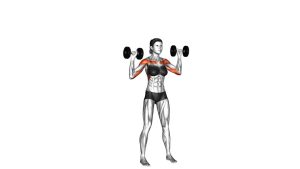
- Bend the elbows: Keep the elbows around 90 degrees with the forearms positioned in front of the body.
- Stay neutral: Keep the ribs stacked, chest natural, and neck relaxed.
- Choose your resistance: Start with bodyweight or very light resistance if you are using bands, cables, or dumbbells.
Tip: Think of the forearms as the moving lever, but the shoulders are what initiate the motion.
Execution (Step-by-Step)
- Lock in posture: Stand upright with the elbows bent and the forearms in front of your torso.
- Push the forearms forward: Move the forearms forward in a short arc without fully straightening the elbows.
- Lead with the shoulders: Let the front delts create the motion instead of throwing the arms out with momentum.
- Pause briefly: Stop at the point where you feel tension in the front shoulders without losing alignment.
- Return slowly: Bring the forearms back to the start under control and repeat smoothly.
Pro Tips & Common Mistakes
- Keep the elbows bent: Straightening the arms too much turns the movement into more of a press.
- Use a short, clean range: This exercise works better with precision than with exaggerated motion.
- Do not shrug: Keep the upper traps quiet so the front delts stay the main driver.
- Avoid torso swing: No rocking back, leaning, or using momentum to cheat the rep.
- Keep the wrists neutral: Avoid bending them excessively while pushing forward.
- Think “smooth tension”: This movement is best for activation, patterning, and light shoulder work.
FAQ
What muscle does the Forearm Push Forward mainly work?
It mainly targets the anterior deltoids, which are the front portion of the shoulders. Supporting muscles help stabilize the movement, but the front delts should do most of the work.
Is this a mass-building shoulder exercise?
It is better suited for activation, control, warm-ups, and light isolation work than for heavy hypertrophy training. It can still contribute to shoulder development when used with good form and appropriate programming.
Should I use heavy weight for this exercise?
Usually no. This movement tends to work best with bodyweight or light resistance. Too much load often turns it into a sloppy pressing pattern and shifts tension away from the target muscles.
Where should I feel it?
You should mostly feel it in the front of the shoulders. A small amount of upper-chest or stabilizer involvement is normal, but your neck and upper traps should not dominate the rep.
Can beginners use this exercise?
Yes. It is a beginner-friendly movement when performed with light resistance and controlled tempo. Focus on technique first, then add volume or load gradually.
Recommended Equipment (Optional)
- Shoulder Resistance Bands — useful for light activation, warm-ups, and controlled shoulder isolation work
- Light Dumbbells — ideal for adding small amounts of load without losing movement quality
- Shoulder Rehab Bands — a good option for beginners who want very manageable resistance
- Massage Balls for Shoulder Mobility — helpful for soft-tissue work around the chest, shoulders, and upper back
- Posture Corrector Brace — optional reminder tool for posture awareness, but not a substitute for strengthening
Tip: Use equipment to support clean movement, not to force heavier loading. This exercise should stay controlled and joint-friendly.