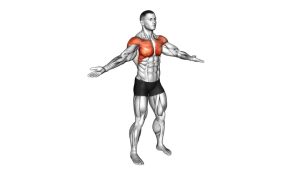
Cheerleader Clap Backhand Swing: Form, Muscles Worked, Sets, Tips & FAQ
Learn how to do the Cheerleader Clap Backhand Swing with proper form. Discover muscles worked, sets and reps by goal, setup tips, common mistakes, FAQs, and recommended equipment.
Cheerleader Clap Backhand Swing
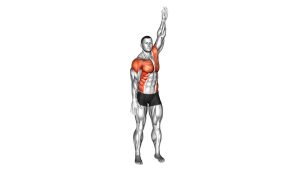
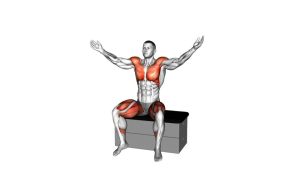
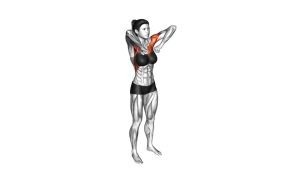
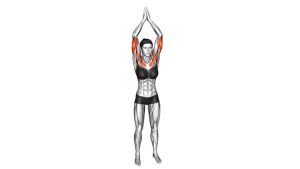
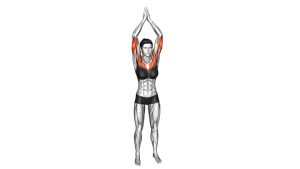
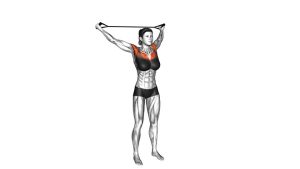
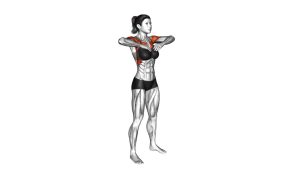
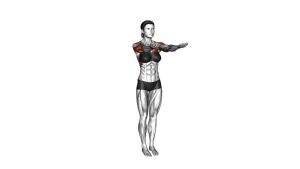
This exercise is best used as a prep movement before shoulder training, upper-body workouts, or sports practice. It is not meant to be a heavy strength exercise. Instead, it teaches your shoulders to move fluidly through a front-to-back pattern while waking up the deltoids, upper back, and supporting muscles.
Quick Overview
| Body Part | Shoulders |
|---|---|
| Primary Muscle | Deltoids (front delts and rear delts) |
| Secondary Muscle | Upper chest, rhomboids, mid traps, rotator cuff, upper back stabilizers |
| Equipment | None |
| Difficulty | Beginner |
Sets & Reps (By Goal)
- General warm-up: 2–3 sets × 15–25 reps
- Shoulder activation before lifting: 2–4 sets × 12–20 reps
- Light conditioning / movement prep: 3–4 sets × 20–30 reps
- Daily mobility routine: 1–2 sets × 10–20 controlled reps
Progression note: Increase total reps or smoothness before increasing speed. This movement should stay controlled, not sloppy.
Setup / Starting Position
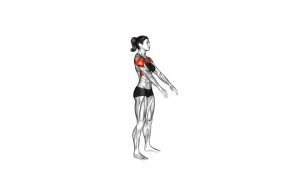
- Stand tall: Place your feet about hip-width apart with your knees soft and your core lightly braced.
- Raise the arms: Bring your arms up around chest to shoulder height with a slight bend in the elbows.
- Set posture: Keep the chest open, shoulders down, and neck relaxed.
- Stay square: Your torso should face forward without twisting side to side.
- Prepare for rhythm: This drill works best with a smooth, repeatable tempo rather than random swinging.
Execution (Step-by-Step)
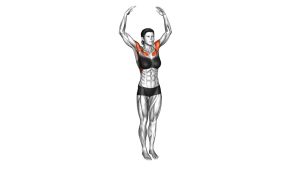
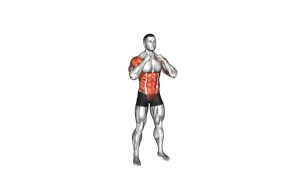
- Bring the arms forward: Swing both arms in front of the body until the hands meet or nearly meet in a clap-like position.
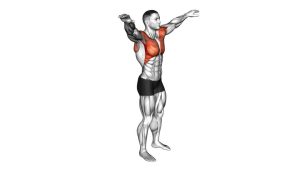
- Reverse immediately: Open the arms back out and behind the body in a controlled backhand-style swing.
- Keep the shoulders active: Let the delts guide the movement rather than throwing the arms with full-body momentum.
- Maintain posture: Stay upright with the ribs stacked and avoid excessive back arching.
- Repeat rhythmically: Continue the front clap and rear swing pattern for the target number of reps.
Pro Tips & Common Mistakes
- Use a relaxed elbow bend: Locked elbows can make the drill feel stiff and jerky.
- Do not overreach behind you: A moderate range is enough to warm up the shoulders safely.
- Keep the torso quiet: Avoid turning the exercise into a full-body swing.
- Start slower than you think: Build rhythm first, then increase speed slightly if control stays solid.
- Keep the shoulders down: Do not shrug toward the ears during the clap or reverse swing.
- Use it early in your workout: This drill fits best near the beginning of an upper-body warm-up.
FAQ
What muscles does the Cheerleader Clap Backhand Swing work?
It mainly targets the deltoids, especially the front and rear delts, while also involving the upper chest, upper back, and shoulder stabilizers.
Is this a muscle-building exercise?
Not primarily. It works best as a warm-up, activation, or coordination drill rather than a main hypertrophy movement.
Should I move fast or slow?
Use a controlled rhythm. Moderate speed is fine, but only if you can keep the motion smooth and pain-free.
Can beginners do this exercise?
Yes. It is beginner-friendly because it uses no load, but beginners should start with a smaller range of motion and slower tempo.
When should I use this exercise?
It is best used before shoulder workouts, upper-body sessions, or sports that involve arm movement, throwing, or overhead activity.
Recommended Equipment (Optional)
- Shoulder Resistance Bands — useful for adding shoulder activation drills before or after this movement
- Lightweight Dumbbells — great for pairing this warm-up with light delt raises and shoulder circuits
- Shoulder Pulley — helpful for gentle shoulder mobility work if you also do range-of-motion drills
- Warm-Up Bands — practical for travel, activation circuits, and shoulder prep sessions
- Exercise / Yoga Mat — useful for a full warm-up space and pairing with floor-based mobility work
Choose light, simple tools that support shoulder prep and mobility rather than heavy loading for this type of exercise.