Criss-Cross Upper Chest Raise: Form, Benefits, Sets, Tips & FAQ
Learn how to do the Criss-Cross Upper Chest Raise with proper form. Discover muscles worked, setup, step-by-step execution, sets and reps by goal, mistakes to avoid, FAQs, and recommended equipment.
Criss-Cross Upper Chest Raise
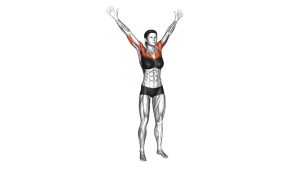
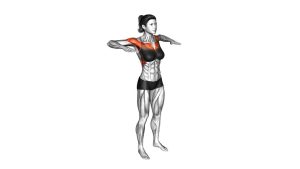
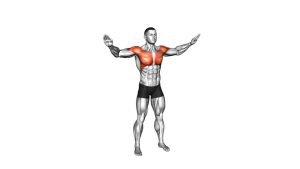
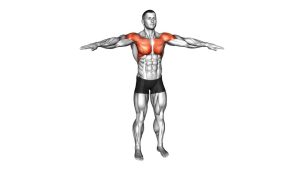
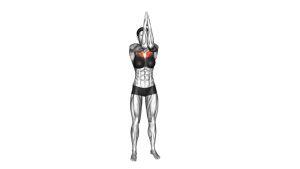
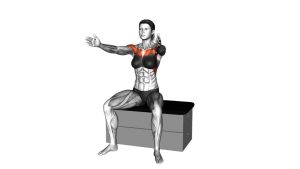
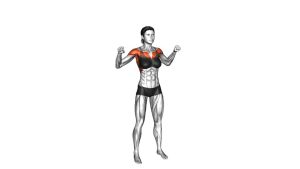
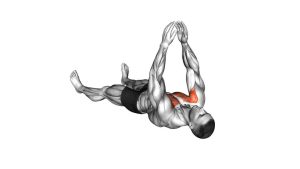
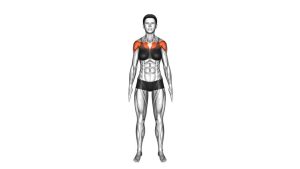
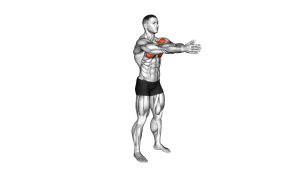
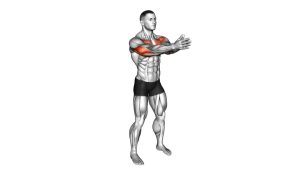
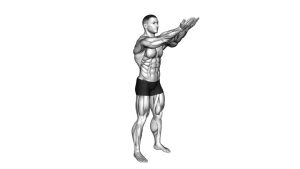
This exercise is simple, but quality matters. The goal is to raise the arms on a slight diagonal and cross them in front of the upper chest or lower face while keeping the shoulders down and the chest lifted. When performed with control, it can help improve upper-chest engagement before pressing, fly, or push-up work.
Quick Overview
| Body Part | Chest |
|---|---|
| Primary Muscle | Upper chest (Clavicular head of the pectoralis major) |
| Secondary Muscle | Anterior deltoids, serratus anterior, biceps stabilizers |
| Equipment | None |
| Difficulty | Beginner |
Sets & Reps (By Goal)
- Warm-up / activation: 2-3 sets × 12-20 reps with slow, controlled tempo
- Mind-muscle connection: 2-4 sets × 10-15 reps with a brief squeeze at the top
- Light endurance / finisher: 2-3 sets × 15-25 reps with short rest
- Recovery day movement: 1-2 sets × 12-15 easy reps with no strain
Progression rule: Increase control, squeeze quality, and rep consistency before adding speed or combining it with resistance work.
Setup / Starting Position
- Stand tall: Place your feet about shoulder-width apart and keep your knees softly bent.
- Brace lightly: Engage your core just enough to keep your torso steady without leaning back.
- Lift the chest: Keep your sternum tall and your shoulders pulled down away from your ears.
- Bend the elbows slightly: Hold your arms in front of the torso with a natural bend rather than fully straight arms.
- Start low and centered: Begin with the hands near lower-chest or upper-ab level, ready to move diagonally upward.
Tip: Think of your arms tracing a low-to-high upper-chest fly pattern without weights.
Execution (Step-by-Step)
- Set your posture: Stand upright with the chest lifted, neck neutral, and shoulders relaxed.
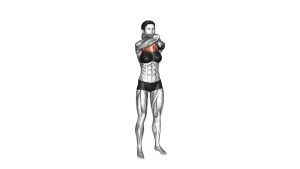
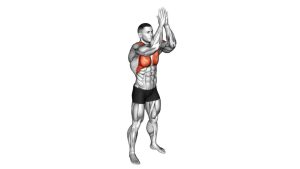
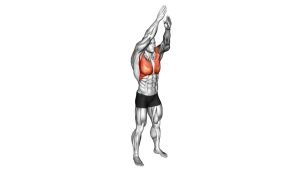
- Raise diagonally upward: Move both arms upward on a diagonal path as if drawing toward the opposite side.
- Cross at the top: Bring the arms across each other in front of the upper chest or lower face to create a criss-cross position.
- Squeeze briefly: Pause for a moment and focus on contracting the upper chest without shrugging.
- Lower with control: Reverse the motion slowly back to the starting position.
- Repeat smoothly: Continue for the target reps while keeping the tempo steady and the chest engaged.
Pro Tips & Common Mistakes
- Keep the shoulders down: Shrugging shifts tension away from the chest and into the traps.
- Use a slight elbow bend: Locked elbows can make the motion feel stiff and less natural.
- Move on a diagonal path: The low-to-high angle helps emphasize the upper chest more effectively.
- Do not swing: Momentum reduces muscle control and makes the movement less effective.
- Pause at the top: A brief squeeze improves upper-chest awareness.
- Stay tall: Avoid leaning back or flaring the ribs to fake extra range.
- Use it before chest training: This works well before incline presses, cable fly variations, or push-ups.
FAQ
What does the Criss-Cross Upper Chest Raise work?
It primarily targets the upper chest, especially the clavicular fibers of the pectoralis major, while the front deltoids assist the movement.
Is this a muscle-building exercise?
It is better suited for activation, warm-up, and mind-muscle connection than heavy hypertrophy. It can still add value as a light finisher or recovery drill.
Should I do this before or after chest workouts?
Most people benefit most from doing it before chest training to help wake up the upper chest and improve movement awareness.
Can beginners use this exercise?
Yes. Since it requires no equipment and uses bodyweight only, it is beginner-friendly as long as the motion stays controlled and pain-free.
What if I feel this more in my shoulders than my chest?
Slow down, reduce range slightly, keep your shoulders down, and focus on squeezing the upper chest as the arms cross. Performing the movement too quickly often shifts the stress into the shoulders.
Recommended Equipment
- Mini Resistance Bands — useful for adding light resistance to chest activation and warm-up drills
- Loop Resistance Bands Set — great for upper-body activation, mobility work, and chest-focused accessory exercises
- Adjustable Weighted Vest — can increase challenge for bodyweight drills once basic control is mastered
- Exercise Mat — useful for pairing this exercise with floor-based chest warm-ups and mobility work
- Posture Corrector Strap — optional awareness tool that may help reinforce a tall chest position between training sessions
Tip: This exercise does not require equipment, but light accessories can make your warm-up routine more effective and versatile.