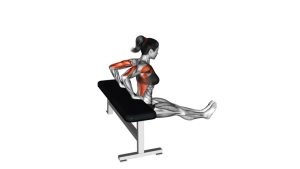
Bench Dip on Stability Ball: Proper Form, Triceps Focus, Sets, Tips & FAQ
Learn how to do the Bench Dip on Stability Ball with proper form to target the triceps, improve upper-arm strength, and build shoulder stability. Includes setup, execution, sets by goal, common mistakes, FAQ, and recommended equipment.
Bench Dip on Stability Ball
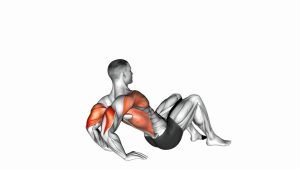
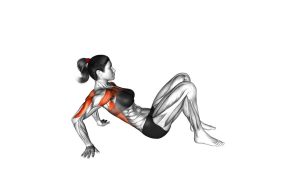
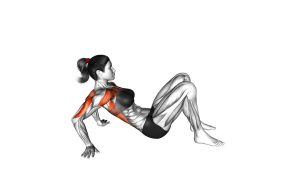
This variation works best when you treat it as a controlled upper-arm exercise, not a fast, deep dip. The goal is to bend the elbows smoothly, lower your body only as far as your shoulders stay comfortable, and then press back up without letting the ball wobble excessively. Because the surface is unstable, this exercise can feel harder than it looks even with bodyweight alone.
Quick Overview
| Body Part | Triceps |
|---|---|
| Primary Muscle | Triceps brachii |
| Secondary Muscle | Anterior deltoids, chest, forearms, and core stabilizers |
| Equipment | Stability ball and bodyweight |
| Difficulty | Intermediate due to the unstable support surface and increased shoulder-control demands |
Sets & Reps (By Goal)
- Muscle endurance: 2–4 sets × 10–15 reps with controlled tempo and 45–75 sec rest
- General triceps strength: 3–4 sets × 6–10 reps with strict form and 60–90 sec rest
- Bodyweight accessory work: 2–3 sets × 8–12 reps after pressing or arm training
- Stability and control focus: 2–3 sets × 6–8 slow reps with a short pause at the bottom
Progression rule: First improve control, depth, and rep quality. Then increase reps before making the variation harder by straightening the legs more or slowing the eccentric phase.
Setup / Starting Position
- Place the stability ball behind you: Make sure it is on a non-slip surface and will not roll too easily.
- Set your hands on top of the ball: Position them about shoulder-width apart with fingers pointing forward.
- Extend your legs in front: Keep your feet flat on the floor with knees bent for better control.
- Lift your hips off the floor: Your body should be supported by your hands and feet.
- Stay close to the ball: Keep your hips near the ball rather than drifting far forward.
- Brace lightly: Open the chest, pull the shoulders down, and tighten the core before starting.
Tip: The more bent your knees are, the easier the exercise becomes. A more extended leg position increases the load.
Execution (Step-by-Step)
- Start tall at the top: Arms extended, hips slightly lifted, chest open, and shoulders stable.
- Bend the elbows slowly: Lower your body by letting the elbows move mostly straight back.
- Keep the hips close: Drop down in a near-vertical path instead of letting the body drift too far away from the ball.
- Control the bottom: Stop when your elbows reach about 90 degrees or when your shoulders begin to feel strained.
- Press through the hands: Extend the elbows to return to the top position without bouncing.
- Stabilize the finish: Lock out softly, re-balance the ball, and repeat with the same controlled tempo.
Pro Tips & Common Mistakes
- Keep the elbows tracking back: Flaring the elbows wide often shifts stress away from the triceps and into the shoulders.
- Do not sink too deep: Going lower than your mobility allows can irritate the shoulder joint.
- Use a slow eccentric: A 2–3 second descent improves control and keeps the ball from moving too much.
- Stay close to the support: Letting the hips drift too far forward usually makes the movement less stable and more shoulder-dominant.
- Avoid shrugging: Keep the neck long and shoulders down instead of pressing up into the traps.
- Do not rush the lockout: Re-stabilize at the top before beginning the next rep.
- Regress if needed: Use a bench, box, or stable surface first if you cannot control the ball confidently.
FAQ
What muscles does the bench dip on stability ball work?
The main target is the triceps. The exercise also challenges the front delts, chest, forearms, and core stabilizers because the ball creates an unstable base.
Is this harder than a regular bench dip?
Yes. The stability ball adds an extra balance and control demand, which usually makes the movement more challenging than using a fixed bench or box.
How deep should I go?
Lower until your elbows are around 90 degrees or slightly above that if your shoulders feel sensitive. You do not need extreme depth to train the triceps effectively.
Is this exercise good for beginners?
It is usually better for intermediate trainees. Beginners often do better learning the pattern on a stable bench first before adding instability.
How can I make it easier or harder?
To make it easier, bend the knees more and reduce depth. To make it harder, extend the legs farther, slow the lowering phase, or add a brief pause at the bottom.
Recommended Equipment
- Anti-Burst Stability Ball — the key piece of equipment for this variation; choose one designed for exercise use and stability training
- Non-Slip Exercise Mat — helps reduce floor movement and gives your feet better grip during dips
- Resistance Bands Set — useful for triceps warm-ups, shoulder prep, and additional arm work
- Wrist Wraps — can help if you want extra wrist support during bodyweight pressing movements
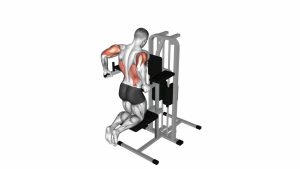
- Dip Station — a stable upgrade if you want to progress into more advanced dip training after mastering this exercise
These equipment categories are commonly available on Amazon, including anti-burst stability balls, dip stations, resistance band sets, and gym wrist wraps.