Cable Horizontal Pallof Press: Form, Core Benefits, Sets & Tips
Learn the Cable Horizontal Pallof Press for anti-rotation core strength, posture control, and stability with form cues, sets, mistakes, FAQs, and gear.
Cable Horizontal Pallof Press
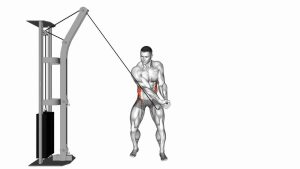
This movement works best when it is slow, stable, and precise. First, the cable creates sideways rotational force. Then, your core must resist that force as you press the handle forward. As a result, the exercise teaches your abs and obliques to stabilize the spine without bending, twisting, or leaning. For that reason, the Cable Horizontal Pallof Press is useful for athletes, lifters, beginners, and anyone who wants stronger posture and better core control.
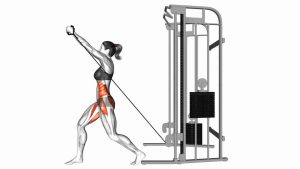
During the video movement, the body stays side-on to the cable machine. The handle starts close to the chest, the hands press straight forward, and the torso remains still. In addition, the shoulders stay level, the hips do not rotate, and the cable remains under constant tension. This clean pattern makes the exercise highly effective for training anti-rotation strength without unnecessary spinal stress.
Quick Overview
| Body Part | Core |
|---|---|
| Primary Muscle | Obliques and transverse abdominis |
| Secondary Muscle | Rectus abdominis, glutes, deep spinal stabilizers, shoulders, chest, and upper back |
| Equipment | Cable machine with single handle or D-handle attachment |
| Difficulty | Beginner to intermediate |
Sets & Reps (By Goal)
- Core activation: 2–3 sets × 8–10 reps per side with a light load and controlled tempo.
- Anti-rotation strength: 3–4 sets × 10–12 reps per side with moderate resistance.
- Core endurance: 2–3 sets × 12–15 reps per side using smooth, repeatable control.
- Athletic stability: 3–5 sets × 6–10 reps per side with a 2–4 second hold at full extension.
- Warm-up or posture reset: 1–2 sets × 8–12 easy reps per side before lifting or sport practice.
Progression rule: Add control before adding load. Once you can press without rotation, leaning, rib flare, or shoulder shrugging, increase resistance slightly or extend the hold time.
Setup / Starting Position
- Set the cable height: Adjust the pulley to mid-chest height so the handle travels horizontally.
- Attach a handle: Use a single D-handle, then hold it with both hands close to your sternum.
- Stand side-on: Position your body so the cable pulls from your left or right side, not from behind or in front.
- Step away from the machine: Move far enough to create steady cable tension before the first rep.
- Set your stance: Place your feet about shoulder-width apart, bend the knees slightly, and keep your weight balanced.
- Brace your core: Pull the ribs down gently, tighten the abs, and keep the pelvis stacked under the torso.
- Square your body: Keep your shoulders, chest, ribs, and hips facing forward throughout the set.
Execution (Step-by-Step)
- Start tall: Stand upright with your chest relaxed, shoulders down, and hands held at the middle of your chest.
- Brace before moving: Exhale lightly, tighten your abs, and lock your ribs and hips into a square position.
- Press straight forward: Extend both arms directly in front of your chest without letting the handle drift toward the cable machine.
- Reach full extension: Straighten the elbows without locking them aggressively. At this point, the cable will challenge your core the most.
- Hold the position: Pause briefly while keeping your torso still, shoulders level, and hips facing forward.
- Return with control: Bring the handle back to your chest slowly. However, do not let the cable snap your hands back.
- Repeat cleanly: Continue for the target reps, then turn around and perform the same number of reps on the opposite side.
Pro Tips & Common Mistakes
Pro Tips
- Use a straight press path: Press the handle forward from the sternum, not upward, downward, or diagonally.
- Keep your ribs stacked: A strong brace prevents the low back from arching as the arms extend.
- Control the pause: A short hold at full extension increases anti-rotation demand without needing heavier weight.
- Train both sides evenly: Because the cable pulls from one side, switch directions and repeat the same reps on the other side.
- Start lighter than expected: This is a stability drill, so clean alignment is more important than heavy resistance.
Common Mistakes
- Rotating toward the machine: This reduces the anti-rotation benefit and turns the drill into a compensation pattern.
- Letting the hands drift sideways: Keep the handle centered so the core, not the arms, controls the cable pull.
- Leaning away from the cable: A small lean may feel stronger, but it usually means the load is too heavy.
- Shrugging the shoulders: Keep the neck long and the shoulders relaxed to avoid upper-trap dominance.
- Rushing the return: The return phase matters because the cable is still trying to rotate your body.
- Using too narrow of a stance: A stable base helps you brace properly, especially when learning the movement.
FAQ
What muscles does the Cable Horizontal Pallof Press work?
The exercise mainly works the obliques and transverse abdominis. In addition, your rectus abdominis, glutes, shoulders, chest, and upper back help stabilize the position.
Is the Cable Horizontal Pallof Press good for abs?
Yes. However, it trains the abs differently from crunches. Instead of flexing the spine, it teaches the core to resist rotation, which is useful for posture, lifting, running, and athletic movement.
Should I go heavy on Pallof presses?
Not at first. Use a load that allows your torso to stay square. If you must lean, twist, or shrug to complete the rep, the resistance is too heavy.
Where should I feel this exercise?
You should feel strong tension through the side of your core, especially the obliques. You may also feel your glutes and shoulders working lightly to stabilize your body.
Can beginners do the Cable Horizontal Pallof Press?
Yes. Beginners can perform it safely by using a light cable setting, a shoulder-width stance, and slow reps. As control improves, resistance or hold time can gradually increase.
What is the best tempo for this exercise?
A good tempo is 1–2 seconds to press out, 1–3 seconds to hold, and 2 seconds to return. This pace improves control and prevents momentum.
Recommended Equipment
- Cable Machine D-Handle Attachment — ideal for comfortable two-hand grip during Pallof press variations.
- Adjustable Cable Machine / Functional Trainer — useful for setting the pulley at chest height and training multiple cable core exercises.
- Resistance Bands with Door Anchor — a practical home alternative when a cable machine is not available.
- Cable Attachment Handle Set — gives you multiple grip options for cable presses, rows, and core drills.
- Non-Slip Exercise Mat — helps improve foot grip and stance stability during standing core work.
Tip: For this exercise, equipment should help you create smooth resistance and stable positioning. Therefore, choose attachments that feel secure and allow a centered, controlled press.