Cable Twist Up-Down: Form, Core Benefits, Sets & Tips
Learn the Cable Twist Up-Down to build stronger obliques, rotational core control, and stability with proper form, sets, tips, FAQs, and gear.
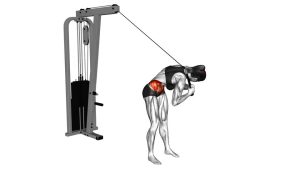
Cable Twist (Up-Down)
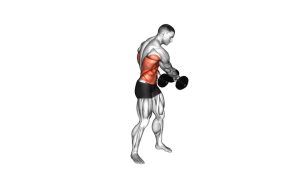
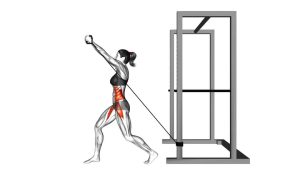
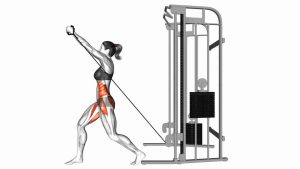
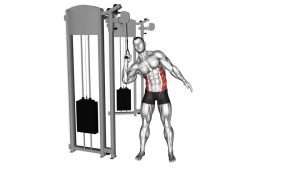
This exercise works best when the movement is deliberate and connected. Your hands hold the cable handle, but your trunk should create the rotation. A good rep starts with a tall stance, a braced core, and a stable lower body. From there, the cable travels diagonally from up to down while your torso rotates across the body. Because the cable keeps tension on the body during both the pull and the return, this exercise can improve rotational strength, anti-rotation control, and athletic core coordination.
The Cable Twist (Up-Down) is often compared to a high-to-low cable woodchopper. However, it can be performed with a smaller and more controlled range when the goal is oblique tension rather than explosive power. Use a weight that allows your rib cage, pelvis, and shoulders to rotate together without jerking, leaning, or twisting the lower back aggressively.
Quick Overview
| Body Part | Core |
|---|---|
| Primary Muscle | Obliques, especially external obliques and internal obliques |
| Secondary Muscle | Rectus abdominis, transverse abdominis, hip rotators, glutes, shoulders, and spinal stabilizers |
| Equipment | Cable machine with single handle, rope handle, or D-handle attachment |
| Difficulty | Intermediate because it requires cable control, torso rotation, and stable lower-body positioning |
Sets & Reps (By Goal)
- Core activation: 2 sets × 10–12 reps per side with light weight and a slow tempo.
- Oblique strength: 3–4 sets × 8–12 reps per side with moderate resistance.
- Muscle control and definition: 3 sets × 12–15 reps per side with clean tension and short rest.
- Athletic rotation: 3–5 sets × 6–10 reps per side with controlled power, not uncontrolled speed.
- Core finisher: 2–3 sets × 15–20 reps per side using a light cable load and constant tension.
Progression rule: Add reps before adding weight. Once every rep stays smooth, stable, and symmetrical, increase the cable load slightly. Never progress the exercise by swinging harder or twisting farther than your body can control.
Setup / Starting Position
- Set the cable high: Adjust the pulley so the handle starts around upper-chest, shoulder, or head height. The exact height can vary, but the cable should allow a clear diagonal path from high to low.
- Stand sideways to the machine: Position your body so the cable begins on one side of you. Step far enough away to create tension before the first rep starts.
- Use both hands: Grip the handle with both hands. Keep the hands close together and the arms mostly straight, with only a soft bend in the elbows.
- Set your stance: Place the feet about shoulder-width apart. Keep the knees slightly bent and the weight balanced through the midfoot.
- Brace before moving: Pull the ribs down slightly, tighten the abs, and keep the chest tall. Your spine should feel long, not rounded.
- Start with control: Let the cable load the starting side without allowing your torso to collapse or twist too far.
A strong setup makes the movement safer. If the cable pulls you out of position before the first rep, reduce the weight or step closer to the machine.
Execution (Step-by-Step)
- Brace your core: Before each rep, tighten your midsection as if preparing for a light punch. Keep the shoulders down and the neck relaxed.
- Begin the diagonal twist: Rotate your torso away from the cable machine while guiding the handle from the upper position toward the opposite lower side of your body.
- Move through the trunk: Let the ribs and shoulders rotate together. Your arms should stay firm, but they should not dominate the pull.
- Finish near the opposite hip: Bring the handle down and across the body until you reach a strong oblique contraction. Avoid yanking the handle past your natural range.
- Pause briefly: Hold the end position for a moment. Feel the obliques tighten while your feet remain grounded.
- Return slowly: Allow the cable to travel back up along the same diagonal path. Control the eccentric phase instead of letting the stack pull you back.
- Reset and repeat: Return to the starting position with posture intact, then perform the next repetition with the same tempo.
- Switch sides: Complete all reps on one side, then turn around and repeat the same number of reps on the opposite side.
Pro Tips & Common Mistakes
Pro Tips
- Think “rotate and brace”: The best reps combine movement and stability. Rotate the torso while keeping the core tight.
- Keep the arms long but not locked: A soft elbow bend protects the joints while still keeping the focus on the obliques.
- Match the return path: Bring the cable back along the same diagonal line. This improves control and keeps tension consistent.
- Exhale during the pull: Breathe out as you twist downward. This helps the abs contract and prevents rib flare.
- Train both sides evenly: Complete the same reps and tempo on each side to avoid rotational imbalance.
- Use your feet as anchors: Press the floor away gently. A stable base gives your core a better platform to rotate from.
Common Mistakes
- Pulling with the arms: If the shoulders and biceps take over, the movement loses its core-training value.
- Using too much weight: Heavy loading often causes swinging, leaning, and lower-back twisting. Choose control first.
- Over-rotating the lower back: Rotation should come from the trunk, hips, and thoracic region together. Do not force the lumbar spine.
- Letting the cable snap back: The return phase is part of the exercise. Control it to build better stability.
- Shrugging the shoulders: Keep the shoulders away from the ears. Neck tension usually means the load is too high or the arms are overworking.
- Standing too close: Without enough cable tension, the movement feels loose. Step away until the cable is loaded at the start.
FAQ
What muscles does the Cable Twist (Up-Down) work?
The main muscles are the obliques. The exercise also trains the rectus abdominis, transverse abdominis, hip rotators, glutes, shoulders, and spinal stabilizers. Because the cable pulls from an angle, your core must rotate and resist unwanted movement at the same time.
Is the Cable Twist (Up-Down) the same as a cable woodchopper?
It is very similar to a high-to-low cable woodchopper. The difference depends on how you perform it. A woodchopper is often done with a stronger athletic chopping motion, while this cable twist can be done more slowly to emphasize oblique tension and torso control.
Should my hips move during the exercise?
A small amount of hip rotation is normal and often helpful. However, your hips should not spin out of control. Keep the feet grounded and allow the hips to follow the torso naturally while the core stays braced.
How heavy should I go on Cable Twist (Up-Down)?
Use a moderate or light weight that allows clean rotation. If you need to jerk the handle, lean backward, or lose your stance, the weight is too heavy. For core training, control is usually more effective than maximum load.
Can beginners do this exercise?
Beginners can perform it if they start very light and learn the movement slowly. However, total beginners may first practice standing cable anti-rotation holds, bodyweight torso rotations, or light cable chops before increasing resistance.
Is Cable Twist (Up-Down) good for abs?
Yes. It is especially useful for the side abs, known as the obliques. It also helps the deeper core muscles stabilize the spine while the body rotates. For a complete abs routine, pair it with anti-extension exercises such as planks, rollouts, or dead bugs.
Recommended Equipment
- Cable Machine D-Handle Attachment — a simple single-grip handle that works well for controlled cable twists and rotational core drills.
- Cable Rope Attachment — useful if you prefer a two-hand grip with more wrist freedom during diagonal cable movements.
- Cable Attachment Strap Set — helpful for expanding cable-machine exercise options beyond core training.
- Weightlifting Gloves / Grip Gloves — improve handle grip comfort when performing higher-rep cable core work.
- Adjustable Cable Machine for Home Gym — a larger investment option for performing cable twists, rows, pulldowns, and full-body cable exercises at home.
Tip: Choose attachments that allow a secure grip without wrist strain. For this exercise, the handle should feel stable while your torso creates the rotation.