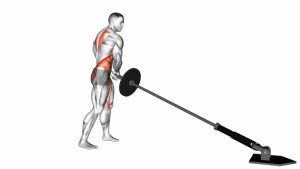
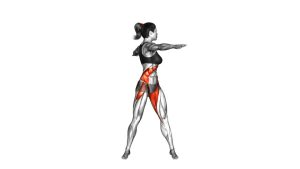
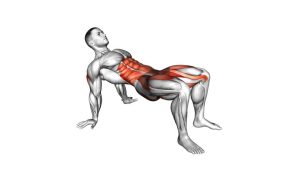
Seated Twist Straight Arm: Core Rotation Form, Sets, Tips & FAQ
Learn the Seated Twist Straight Arm to train obliques, core control, and torso rotation with safe form, sets, tips, mistakes, FAQs, and gear.
Seated Twist (Straight Arm)
This exercise is useful for building rotational strength, improving core coordination, and teaching the body how to move through the transverse plane with control. Although it looks simple, the straight-arm position makes the drill more demanding than a basic seated twist because your core must control a longer lever. Therefore, quality matters more than speed. Each repetition should feel smooth, balanced, and deliberate.
In the video movement, the body begins in a seated position with the arms extended forward. Then, the torso rotates to one side while the arms travel with the chest. After reaching a controlled end range, the body returns through the center and repeats to the opposite side. The best reps keep the shoulders relaxed, the chest lifted, and the hips as quiet as possible.
Quick Overview
| Body Part | Core |
|---|---|
| Primary Muscle | Obliques |
| Secondary Muscle | Rectus abdominis, transverse abdominis, hip flexors, spinal stabilizers |
| Equipment | No equipment required |
| Difficulty | Beginner to Intermediate |
Sets & Reps (By Goal)
- Core activation: 2 sets × 10–12 reps per side with a slow, controlled tempo.
- Muscular endurance: 3 sets × 12–20 reps per side with steady breathing.
- Oblique strength: 3–4 sets × 8–12 reps per side with a 1–2 second pause at each side.
- Beginner control: 2 sets × 6–10 reps per side using a smaller rotation range.
- Warm-up use: 1–2 light sets × 8–12 reps per side before ab training, sports drills, or rotational work.
Progression rule: First improve posture, range control, and breathing. After that, increase reps, slow the tempo, pause longer at each side, or hold a light medicine ball.
Setup / Starting Position
- Sit on the floor: Bend your knees slightly and place your feet on the floor for support.
- Lengthen your spine: Sit tall, lift the chest gently, and keep the ribs stacked over the hips.
- Brace your core: Tighten the midsection lightly as if preparing for a small tap to the stomach.
- Extend your arms: Reach both arms straight forward at chest height with hands together or close.
- Relax your shoulders: Keep the neck long and avoid shrugging as the arms move.
- Set your gaze: Look forward at the start, then allow the head to follow the chest naturally during rotation.
Tip: If your hip flexors feel overactive, sit more upright and reduce the backward lean. The goal is core rotation, not a seated balance struggle.
Execution (Step-by-Step)
- Start tall in the center: Keep your arms straight, chest lifted, and core lightly braced. Before rotating, make sure your lower back is not rounded.
- Rotate from your torso: Turn your ribs and chest to one side while keeping the arms connected to the body. Your arms should not swing separately from your torso.
- Control the end range: Stop when you can still keep your spine tall and your hips mostly stable. Do not force the twist beyond your comfortable range.
- Pause briefly: Hold the side position for a moment and feel the obliques working around the waist. Breathe out gently as you rotate.
- Return through center: Bring your torso back to the middle with control instead of snapping back.
- Repeat to the opposite side: Rotate smoothly in the other direction while keeping the same posture, arm length, and tempo.
- Continue alternating: Move side to side with consistent rhythm until all reps are complete.
Pro Tips & Common Mistakes
Pro Tips
- Rotate from the ribs: Think about turning your chest, not just reaching your hands side to side.
- Keep the arms long: Straight arms increase the lever, so your obliques must work harder to control the motion.
- Use a slower tempo: A controlled twist builds better core strength than fast swinging.
- Exhale into the twist: Breathing out helps you brace and rotate without excessive tension.
- Stay tall: A lifted spine improves core engagement and reduces unwanted lower-back stress.
Common Mistakes
- Swinging the arms: This turns the exercise into momentum instead of core training.
- Rounding the lower back: A collapsed spine can shift stress away from the obliques and into the lumbar area.
- Twisting too far: More range is not always better. Stop before your hips shift or your posture breaks.
- Holding the breath: Breath-holding creates unnecessary tension and makes the movement less controlled.
- Lifting the shoulders: Keep the neck relaxed so the upper traps do not dominate the exercise.
FAQ
What muscles does the Seated Twist (Straight Arm) work?
The main muscles are the obliques, which rotate and control the torso. The rectus abdominis, transverse abdominis, hip flexors, and spinal stabilizers also assist during the movement.
Is the Seated Twist (Straight Arm) good for beginners?
Yes, it can be beginner-friendly when performed slowly with a small range of motion. However, beginners should focus on staying tall, keeping the hips stable, and avoiding fast swinging.
How is this different from a Russian twist?
A Russian twist is often performed with a backward lean and sometimes with added weight. The Seated Twist (Straight Arm) can be more controlled and posture-focused, especially when the feet stay grounded and the spine remains upright.
Should I keep my feet on the floor?
Yes, keeping the feet on the floor is the best option for control and clean rotation. Once you master the basic version, you can experiment with harder progressions, but only if your lower back stays comfortable.
Why do my hip flexors feel this exercise?
Hip flexors may work if you lean back too far or struggle to stabilize your pelvis. Sit more upright, reduce the range, and focus on rotating from your ribs instead of bracing through your thighs.
Can I add weight to this exercise?
Yes, but only after your bodyweight form is smooth. A light medicine ball, small dumbbell, or weight plate can increase difficulty. Even then, control should stay more important than load.
Recommended Equipment
- Exercise Mat — adds comfort and grip for seated core exercises on the floor.
- Medicine Ball — useful for progressing the seated twist once bodyweight form is controlled.
- Light Dumbbells — adds adjustable resistance for advanced straight-arm twisting variations.
- Weight Plate — provides a simple loading option for rotational core strength.
- Resistance Bands Set — helpful for pairing this exercise with anti-rotation drills and core stability work.
Tip: Start with no equipment. Then, once your posture, breathing, and rotation control are consistent, add light resistance gradually.