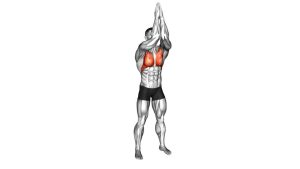
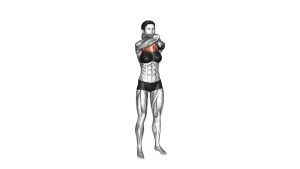
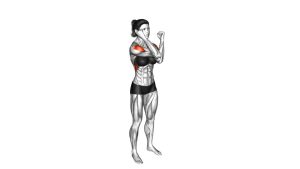
Criss-Cross Arms Prayer Push: Form, Benefits, Sets, Tips & FAQ
Learn how to perform the Criss-Cross Arms Prayer Push for better chest activation, inner pec squeeze, and mind-muscle connection. Includes form tips, sets and reps by goal, common mistakes, FAQs, and recommended equipment.
Criss-Cross Arms Prayer Push
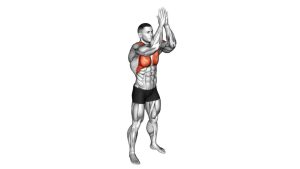
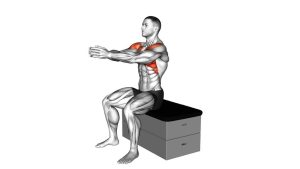
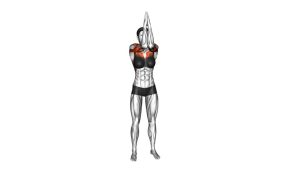
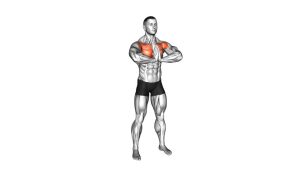
This exercise works best when you focus on constant inward pressure through the palms and a deliberate squeeze through the chest. Because the movement is small, quality matters more than speed. When done correctly, you should feel the pectorals tightening across the front of the chest, especially near the midline, while the shoulders stay controlled and the neck stays relaxed.
Quick Overview
| Body Part | Chest |
|---|---|
| Primary Muscle | Pectoralis major |
| Secondary Muscle | Anterior deltoids, serratus anterior, forearms (light stabilization) |
| Equipment | None |
| Difficulty | Beginner |
Sets & Reps (By Goal)
- Warm-up / activation: 2–3 sets × 12–20 reps with a 1–2 second chest squeeze on each rep
- Mind-muscle connection: 2–4 sets × 10–15 slow reps with controlled tempo and full palm pressure
- Finisher / pump work: 2–3 sets × 20–30 reps or 30–45 seconds of continuous tension
- Recovery / low-load chest work: 1–3 sets × 12–18 easy reps with light effort and perfect form
Progression rule: First increase squeeze quality, pause time, and total tension. After that, add reps or longer timed sets. This is a tension-based drill, so stronger contractions matter more than big arm movement.
Setup / Starting Position
- Stand tall: Place your feet about hip- to shoulder-width apart and keep your weight evenly distributed.
- Brace lightly: Keep the ribs stacked over the hips with the core gently engaged.
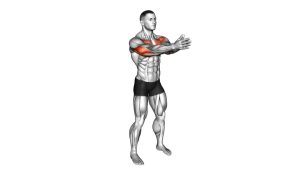
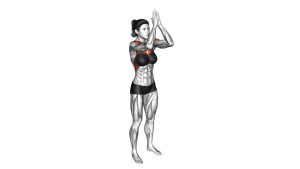
- Raise the arms: Bring your hands up in front of the chest in a prayer-style position.
- Set the elbows: Keep a soft bend in the elbows and avoid locking the arms straight.
- Relax the shoulders: Pull the shoulders down and away from the ears before starting.
- Pre-load the chest: Press the palms together lightly so the pecs are already active before the first rep.
Tip: Think of the hands as creating resistance for the chest. Even though there is no external load, the exercise becomes much more effective when you actively “crush” the palms together.
Execution (Step-by-Step)
- Start in prayer position: Hold the hands together in front of the chest with steady inward pressure.
- Press harder through the palms: Build tension across the chest without shrugging the shoulders.
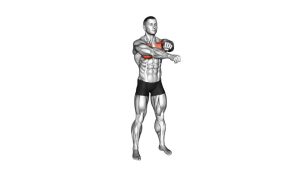
- Move into the criss-cross path: Let the forearms travel slightly across one another while keeping the movement small and controlled.
- Squeeze at peak contraction: Pause briefly when the chest feels most engaged and focus on tightening the pecs.
- Return with control: Come back to the neutral prayer position without fully losing tension.
- Repeat smoothly: Continue alternating the criss-cross motion while maintaining posture, breathing, and constant chest pressure.
Pro Tips & Common Mistakes
- Press the palms together the whole time: This is the main source of resistance and chest recruitment.
- Keep the range small: The motion should feel controlled and tension-driven, not loose or swingy.
- Stay tall through the torso: Avoid leaning back or pushing the ribs forward to fake extra movement.
- Do not shrug the shoulders: Elevated traps reduce pec involvement and often create neck tension.
- Use a brief squeeze at peak contraction: A 1–2 second pause helps improve mind-muscle connection.
- Do not lock the elbows: Slight elbow bend keeps tension where you want it and protects the joints.
- Breathe normally: Do not hold your breath during high-rep sets.
- Use it strategically: This exercise works best as a chest warm-up, finisher, or low-load activation drill—not as your main heavy builder.
FAQ
What muscles does the Criss-Cross Arms Prayer Push work?
It mainly targets the pectoralis major, with support from the front delts, serratus anterior, and forearms. The chest should be doing most of the work when the palms stay pressed together firmly.
Is this a good exercise for inner chest?
It can be very useful for improving the feeling of inner chest contraction because the pecs work hard to create inward pressure. It is best used for activation, squeezing, and pump work rather than as a replacement for heavier pressing and fly variations.
Can beginners use this exercise?
Yes. It is beginner-friendly because it requires no equipment, uses a simple standing position, and lets you control the intensity by how hard you press your palms together.
When should I use it in a workout?
It fits well before chest training as an activation drill, after chest training as a finisher, or on lighter days when you want some pec work without loading the joints heavily.
Why do I feel it more in my shoulders than my chest?
That usually happens when the shoulders shrug up, the chest tension is too low, or the elbows are drifting into an awkward position. Focus on pressing the palms together harder, lowering the shoulders, and shortening the movement.
Recommended Equipment (Optional)
- Push-Up Handles — great for pairing this activation drill with deeper-range push-up work in the same session
- Resistance Bands Set — useful for adding chest fly and press variations after bodyweight activation work
- Small Pilates Ball — can be squeezed between the hands for extra adduction tension during chest drills
- Light Weight Plate — useful for squeeze press and plate press variations that build on the same chest contraction pattern
- Door Anchor for Resistance Bands — helps create cable-style chest press and fly alternatives at home
Tip: This exercise itself needs no equipment, but the items above pair well with the same chest-focused training goal: better pec activation, chest squeeze quality, and higher-quality home workouts.