Downward Punch: Form, Muscles Worked, Sets, Tips & FAQ
Learn how to do the Downward Punch with proper form to improve shoulder activation, control, and endurance. Includes muscles worked, setup, step-by-step execution, sets and reps by goal, mistakes, FAQ, and recommended equipment.
Downward Punch
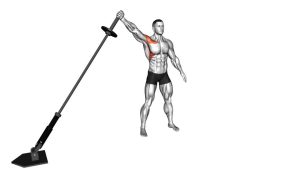
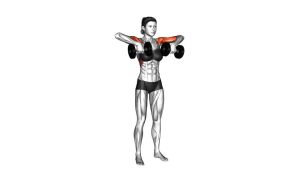
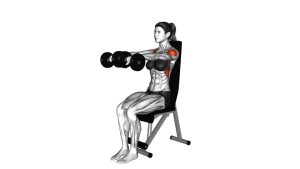
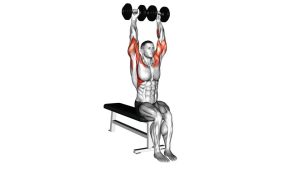
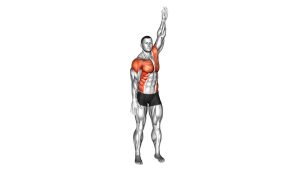
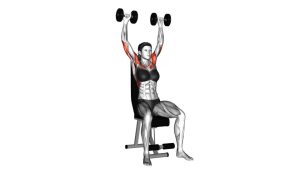
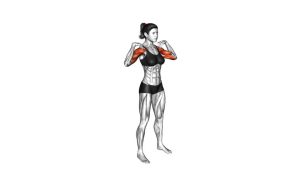
This exercise is best performed with light tension, a neutral spine, and controlled shoulder movement rather than speed. The emphasis is on keeping the arms active while avoiding unnecessary shrugging, swinging, or leaning. You should feel the shoulders working, especially around the front and side deltoid region, with the core helping you stay stable.
Quick Overview
| Body Part | Shoulders |
|---|---|
| Primary Muscle | Deltoids (especially anterior and lateral heads) |
| Secondary Muscle | Upper traps, rotator cuff, triceps, and core stabilizers |
| Equipment | None |
| Difficulty | Beginner |
Sets & Reps (By Goal)
- Warm-up / activation: 2–3 sets × 10–15 reps
- Shoulder endurance: 2–4 sets × 15–25 reps
- Movement control / rehab-style practice: 2–3 sets × 8–12 slow reps
- Finisher / burn set: 1–2 sets × 20–30 reps with perfect form
Progression rule: First improve control, then increase reps, then slow the tempo. Do not make the movement faster at the expense of shoulder position.
Setup / Starting Position
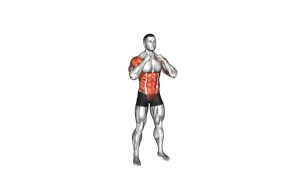
- Stand tall: Place your feet around hip-width to shoulder-width apart and keep your weight evenly distributed.
- Brace lightly: Tighten your core just enough to prevent the torso from rocking or arching.
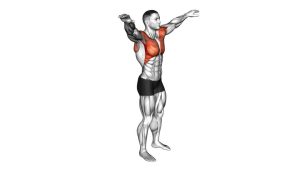
- Lift the arms: Bring the upper arms out to the sides roughly in line with the shoulders, with the elbows bent.
- Relax the neck: Keep the shoulders down and away from the ears instead of shrugging upward.
- Set the wrists: Keep the hands neutral and the forearms ready to move through a controlled punching path.
Tip: Start with a smaller range of motion if your shoulders feel stiff or if it is hard to keep the arms level.
Execution (Step-by-Step)
- Begin from the raised position: Hold the elbows up at shoulder height while keeping the chest tall and the ribs stacked.
- Drive the arms through the punch pattern: Move the forearms and hands downward in a controlled punching action while the upper arms stay active.
- Keep the shoulders in control: Avoid bouncing, swinging, or letting the torso help create the motion.
- Reverse smoothly: Return to the start position with the same control you used on the way down.
- Repeat rhythmically: Continue for the target reps with a smooth, even tempo and no loss of posture.
Pro Tips & Common Mistakes
- Keep the torso quiet: The body should stay stable while the shoulders and arms move.
- Don’t shrug: Letting the shoulders creep toward the ears reduces clean deltoid work.
- Use a smooth tempo: Controlled reps usually work better than fast, sloppy reps.
- Stay in a pain-free range: You do not need maximal range of motion for this drill to be effective.
- Keep elbows and wrists organized: Avoid floppy wrist positions or collapsing arm angles.
- Use it strategically: This movement fits well before presses, raises, or general upper-body sessions.
FAQ
What muscles does the Downward Punch work most?
It mainly targets the deltoids, especially the front and side portions, while the upper traps, rotator cuff, and core help stabilize the movement.
Is the Downward Punch a strength exercise or a warm-up drill?
It is most often used as an activation, warm-up, or endurance-style shoulder drill rather than a heavy strength exercise.
Can beginners use this exercise?
Yes. It is beginner-friendly because it uses bodyweight only and can be scaled by shortening the range of motion or reducing the number of reps.
Should I feel this in my neck?
A little upper-trap assistance is normal, but you should not feel the neck dominating the movement. If you do, lower the intensity and focus on keeping the shoulders down.
Where does this fit in a workout?
It works well near the start of an upper-body workout, before shoulder training, or inside a mobility and movement-prep circuit.
Recommended Equipment (Optional)
- Shoulder Resistance Bands — useful for progressing from bodyweight activation into light resisted shoulder work
- Light Dumbbells — ideal for adding small amounts of load once bodyweight reps feel easy
- Yoga Mat — provides a comfortable surface for warm-ups, mobility work, and full upper-body prep sessions
- Shoulder Pulley for Physical Therapy — optional tool for gentle shoulder mobility work if you are also doing rehab-style routines
- Physical Therapy Resistance Bands — helpful for low-load shoulder control, rotator cuff work, and gradual progression
Tip: Start with the lightest resistance options first. This exercise works best when shoulder motion stays clean, controlled, and pain-free.