Lean Planche Exercise: Form, Benefits, Sets, Tips & FAQ
Learn the Lean Planche to build shoulder strength, core tension, wrist control, and planche progression skill with proper form and tips.
Lean Planche
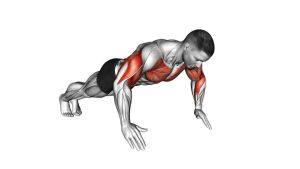
The Lean Planche works best when the movement is treated as a controlled strength position, not a rushed stretch. The goal is to lean forward while keeping the elbows locked, the shoulders protracted, the ribs tucked, the hips tight, and the legs straight. A correct hold should feel strong through the front shoulders, chest, wrists, abdominals, and lower body. The body should stay long and rigid from head to heels.
This exercise is especially useful for calisthenics athletes who want to progress toward the tuck planche, advanced tuck planche, straddle planche, or full planche. It also helps develop straight-arm pushing strength, which is different from regular push-up strength because the elbows remain fully extended during the hold.
Quick Overview
| Body Part | Shoulders |
|---|---|
| Primary Muscle | Anterior deltoids |
| Secondary Muscle | Chest, triceps, serratus anterior, core, wrists, glutes, quads |
| Equipment | Bodyweight only; optional parallettes, wrist wraps, exercise mat, resistance band |
| Difficulty | Intermediate to advanced, depending on lean angle and hold duration |
Sets & Reps (By Goal)
- Skill practice: 4–6 sets × 8–15 second holds with 60–90 seconds rest.
- Strength development: 4–5 sets × 10–20 second holds with 90–150 seconds rest.
- Planche progression: 5–8 sets × 6–12 second high-quality holds with 2–3 minutes rest.
- Warm-up activation: 2–3 sets × 8–10 second light leans before harder planche work.
- Endurance and control: 3–4 sets × 20–30 second moderate holds with clean body alignment.
Progression rule: Increase the forward lean only when you can keep locked elbows, protracted shoulders, a hollow body, and steady wrist pressure. Quality matters more than hold time.
Setup / Starting Position
- Start in a strong plank: Place your hands on the floor about shoulder-width apart. Keep the fingers spread wide to create a stable base.
- Set the hands firmly: Press through the palm, fingertips, and base of the thumb. This helps control the forward shift and protects the wrists.
- Lock the elbows: Straighten the arms fully. Rotate the elbow pits slightly forward if comfortable, but avoid forcing the joints.
- Protract the shoulders: Push the floor away and spread the shoulder blades apart. The upper back should look slightly rounded, not collapsed.
- Brace the core: Pull the ribs down, lightly tuck the pelvis, and squeeze the glutes. This prevents the lower back from arching.
- Set the legs: Keep the legs straight, feet together, and toes planted. Pointing the toes can help create better full-body tension.
- Keep the neck neutral: Look slightly ahead of the hands or down between them. Avoid lifting the head too high.
Tip: If floor wrist extension feels too intense, perform the Lean Planche on parallettes. This keeps the wrists more neutral and often makes the hold easier to control.
Execution (Step-by-Step)
- Create full-body tension first: Before leaning, squeeze the quads, glutes, and abs. A loose body makes the exercise harder to control.
- Push the floor away: Keep the shoulder blades protracted. Do not let the chest sink between the arms.
- Lean the shoulders forward: Slowly shift your shoulders past your wrists. Move as one solid unit from head to heels.
- Keep the elbows locked: Maintain straight arms throughout the hold. Bending the elbows changes the exercise into a different pushing pattern.
- Hold the strongest position: Pause when you reach a challenging but controlled lean. Keep breathing with short, steady breaths.
- Maintain a hollow body: Keep the ribs tucked and the pelvis slightly posteriorly tilted. Do not let the hips sag or the lower back arch.
- Control the wrists: Use your fingertips to prevent tipping too far forward. Keep pressure even and active through the hands.
- Return with control: Shift the shoulders back slowly until they are over the wrists again. Avoid dropping out of the position suddenly.
Pro Tips & Common Mistakes
Pro Tips
- Use the floor like a brake: Press the fingertips down as you lean forward. This helps you control balance and prevents tipping.
- Think “push tall”: Keep pushing the ground away so your chest does not sink. Strong scapular protraction is essential for planche training.
- Lean gradually: A small increase in forward lean creates a large increase in difficulty. Progress slowly.
- Keep the body rigid: The shoulders should move forward, but the spine and hips should not change shape.
- Warm up the wrists: Wrist circles, palm rocks, finger pulses, and gentle planche leans prepare the joints before harder holds.
- Film from the side: A side view shows whether the shoulders are actually past the wrists and whether the hips stay aligned.
Common Mistakes
- Bending the elbows: This reduces straight-arm strength demand and changes the training effect.
- Letting the chest sink: A collapsed upper back removes scapular protraction and increases shoulder stress.
- Arching the lower back: This shows weak core tension. Keep the ribs down and squeeze the glutes.
- Leaning too far too soon: Excessive lean can overload the wrists, elbows, or shoulders before the body is ready.
- Holding the breath: Bracing is important, but you still need controlled breathing to maintain tension safely.
- Relaxing the legs: Soft knees and loose feet reduce total-body tension. Keep the legs active and straight.
FAQ
What muscles does the Lean Planche work?
The Lean Planche mainly works the anterior deltoids. It also trains the chest, triceps, serratus anterior, core, wrists, glutes, and quads. Because the elbows stay locked, the exercise heavily develops straight-arm strength and shoulder control.
Is the Lean Planche good for beginners?
It can be used by beginners if the lean is very small and the wrists are prepared. However, it becomes intermediate or advanced when the shoulders move far past the wrists. New athletes should begin with short holds and perfect alignment.
How far should I lean forward?
Lean only as far as you can control with locked elbows, protracted shoulders, and a stable core. If your elbows bend, hips sag, or wrists hurt, the lean is too aggressive.
Can the Lean Planche help me get the full planche?
Yes. The Lean Planche is one of the best early planche progressions because it builds shoulder strength, wrist tolerance, scapular control, and full-body tension. It should be combined with tuck planche holds, planche push-up progressions, hollow body work, and scapular strengthening.
Should I use parallettes or the floor?
Both options work. The floor develops more wrist extension tolerance, while parallettes keep the wrists more neutral and may feel better for longer holds. Choose the version that allows clean, pain-free form.
How often should I train the Lean Planche?
Most athletes can train it 2–4 times per week, depending on recovery. Keep high-intensity planche work short and clean. If your wrists, elbows, or shoulders feel irritated, reduce volume and add more recovery.
Recommended Equipment
- Wooden Parallettes — useful for neutral wrist positioning and controlled planche lean practice.
- Calisthenics Wrist Wraps — provide extra wrist support during planche, handstand, and pushing skills.
- Non-Slip Exercise Mat — improves comfort and grip when practicing floor-based planche leans.
- Resistance Bands Set — helpful for assisted planche drills, shoulder warm-ups, and scapular activation.
- Wooden Gymnastics Rings — useful for advanced calisthenics strength, support holds, and straight-arm preparation.
Tip: Equipment should support better form, not replace proper progression. Start with controlled lean holds before adding more difficult planche variations.