Strongman Front Hold: Proper Form, Muscles Worked, Sets, Tips & FAQ
Learn how to perform the Strongman Front Hold with proper form. Discover muscles worked, setup, step-by-step execution, sets and reps by goal, common mistakes, FAQs, and recommended Amazon equipment.
Strongman Front Hold
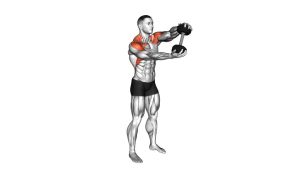
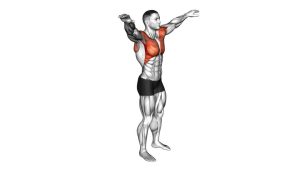
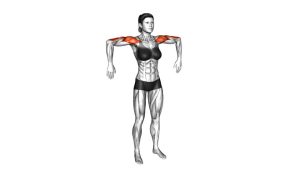
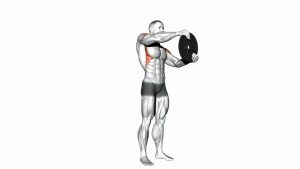
This exercise looks simple, but it becomes extremely demanding once the hold begins. The goal is to keep the load steady without leaning back, shrugging the shoulders, or bending the elbows to escape tension. When performed correctly, the Strongman Front Hold is an excellent tool for building front-delt endurance, improving static strength, and reinforcing whole-body stability under load.
Quick Overview
| Body Part | Front Shoulders |
|---|---|
| Primary Muscle | Anterior deltoids |
| Secondary Muscle | Upper chest, serratus anterior, upper traps, forearms, grip, core |
| Equipment | Strongman handle or loading pin with plates |
| Difficulty | Intermediate |
Sets & Reps (By Goal)
- Shoulder endurance: 3–4 sets × 15–30 second holds
- Isometric strength: 4–5 sets × 8–20 second holds with heavier load
- Strongman event prep: 3–5 sets × 10–25 second holds with strict posture
- Hypertrophy finisher: 2–3 sets × 20–40 second holds after pressing or raises
Progression rule: add time first, then load. If your torso leans back or your elbows bend, the load is too heavy for clean front-hold mechanics.
Setup / Starting Position
- Set the implement: Load the handle or loading pin with a manageable amount of weight.
- Stand tall: Place your feet about hip- to shoulder-width apart for a stable base.
- Grip firmly: Hold the handle securely with both hands or according to the apparatus design.
- Brace your trunk: Tighten your abs and glutes to prevent leaning backward.
- Align the shoulders: Keep the chest up, shoulders down, and neck neutral before starting the hold.
Tip: Before the timer starts, think “ribs down, glutes tight, arms steady.” The better your brace, the stronger and safer the hold.
Execution (Step-by-Step)
- Lift into position: Bring the load to the required front-hold position using control.
- Lock in posture: Keep the torso upright, chest tall, and head neutral.
- Hold the load still: Resist any swinging, drifting, or bouncing. The goal is zero unnecessary movement.
- Keep constant tension: Maintain shoulder engagement, straight wrists, and a strong grip throughout the hold.
- Finish with control: Lower the implement carefully rather than dropping tension abruptly.
Pro Tips & Common Mistakes
- Brace before the hold starts: Don’t wait until the weight feels heavy to tighten your core.
- Keep the ribs down: Overextending the low back is one of the most common mistakes.
- Don’t shrug excessively: Let the front delts work instead of turning it into a trap-dominant hold.
- Use time with intent: Shorter holds with perfect posture beat sloppy long holds.
- Stay symmetrical: Don’t let one shoulder rise higher or drift more than the other.
- Grip matters: If the handle slips, your shoulders and posture will break down faster.
- Avoid ego loading: This exercise gets brutally hard very quickly, even with moderate weight.
FAQ
What muscles does the Strongman Front Hold work the most?
The main target is the anterior deltoid. Secondary involvement comes from the upper chest, upper traps, forearms, grip, and the core, which helps keep the torso stable.
Is this the same as a front raise?
Not exactly. A front raise is dynamic, with a lifting and lowering phase. The Strongman Front Hold is isometric, meaning the load is held in position without movement.
How long should I hold each set?
Most lifters do well with 10 to 30 seconds depending on the goal. Heavier loads usually mean shorter holds, while endurance work uses longer durations.
Should I train this before or after pressing exercises?
If you want to emphasize static strength and performance, place it earlier in the workout. If you want a brutal shoulder finisher, place it after presses, raises, or strongman accessories.
Who should be careful with this exercise?
Anyone with current shoulder irritation, low-back pain, or poor bracing control should start very light. If you cannot hold posture without leaning back, regress the load immediately.
Recommended Equipment
- Loading Pin — ideal for building a simple front-hold setup with adjustable plate loading
- Bumper Plates Set — lets you scale the hold safely and progressively
- Lifting Straps — useful if grip fatigue limits your shoulder work too early
- Liquid Chalk — improves handle security and reduces slipping during longer holds
- Wrist Wraps — extra wrist support can make front-loaded holds feel more stable
Tip: For most lifters, the best setup starts with a sturdy loading pin, manageable plates, and something that improves grip quality.