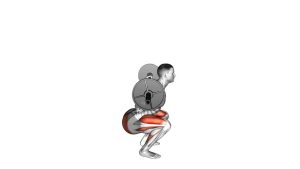
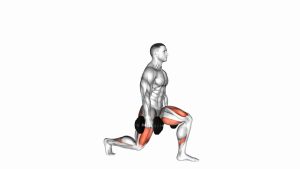
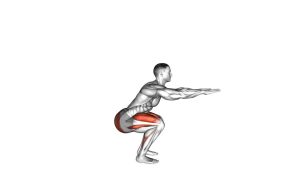
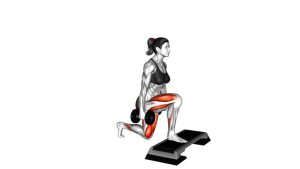
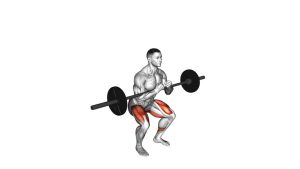
Dumbbell Front Rack Lunge: Form, Muscles Worked, Sets, Tips & FAQ
Learn the Dumbbell Front Rack Lunge for stronger quads, glutes, core stability, and balance with step-by-step form, sets, tips, mistakes, and gear.
Dumbbell Front Rack Lunge
This exercise is excellent for building single-leg strength, improving hip stability, and developing better control under load. Because the weight is held high in front of the body, the abs, upper back, and shoulders must work continuously to keep the torso tall and the dumbbells stable.
Quick Overview
| Body Part | Legs |
|---|---|
| Primary Muscle | Quadriceps |
| Secondary Muscle | Glutes, hamstrings, calves, core, upper back |
| Equipment | Dumbbells |
| Difficulty | Intermediate |
Sets & Reps (By Goal)
- Strength: 3–5 sets × 5–8 reps per leg with heavier dumbbells and full rest.
- Muscle growth: 3–4 sets × 8–12 reps per leg with controlled tempo.
- Balance and control: 2–3 sets × 10–14 reps per leg using light-to-moderate weight.
- Conditioning: 2–4 sets × 12–16 alternating reps with smooth, steady pacing.
Progression rule: Add reps first, then increase dumbbell weight only when both legs stay stable and the torso remains upright.
Setup / Starting Position
- Stand tall: Place your feet about hip-width apart and keep your ribs stacked over your pelvis.
- Rack the dumbbells: Bring both dumbbells to the front of your shoulders with elbows slightly forward.
- Brace your core: Tighten your abs as if preparing for contact while keeping your breathing controlled.
- Set your gaze: Look straight ahead to help maintain balance and posture.
- Prepare to step: Keep your shoulders relaxed, chest tall, and dumbbells stable before moving.
Execution (Step-by-Step)
- Step forward: Take a controlled step forward with one leg, landing softly through the heel and midfoot.
- Lower under control: Bend both knees as the rear knee travels toward the floor.
- Keep the torso upright: Maintain a tall chest and avoid leaning forward under the dumbbells.
- Track the knee: Keep the front knee aligned with the toes without letting it cave inward.
- Drive back up: Push through the front foot to return to standing.
- Repeat evenly: Perform all reps on one side or alternate legs with the same control.
Pro Tips & Common Mistakes
- Keep your elbows slightly forward: This helps the dumbbells stay secure and prevents the chest from collapsing.
- Do not rush the descent: A slow lowering phase improves control and muscle tension.
- Avoid stepping too narrow: A slightly hip-width stride improves balance and reduces wobbling.
- Do not let the knee cave in: Keep the front knee tracking over the middle toes.
- Use the front leg to drive: Avoid pushing too hard off the rear foot.
- Brace before each rep: The front rack position requires strong core tension from start to finish.
- Control the return: Step back smoothly instead of bouncing or falling backward.
FAQ
What muscles does the Dumbbell Front Rack Lunge work?
It mainly works the quadriceps, while also training the glutes, hamstrings, calves, core, and upper back. The front rack position increases core and posture demand.
Is the Dumbbell Front Rack Lunge good for building legs?
Yes. It is highly effective for building unilateral leg strength, improving balance, and developing stronger quads and glutes with less spinal loading than some heavy barbell variations.
Should I do forward lunges or reverse lunges?
Forward lunges often create more braking demand and quad emphasis, while reverse lunges are usually easier to control. Beginners may start with reverse lunges before progressing to front rack forward lunges.
Why is the front rack position harder?
Holding dumbbells near the shoulders moves the load higher and slightly forward, forcing the abs, upper back, and postural muscles to work harder to keep the torso upright.
How heavy should I go?
Choose a weight that allows clean knee tracking, stable dumbbells, and a controlled full range of motion. If posture breaks down, the dumbbells are too heavy.
Recommended Equipment
- Adjustable Dumbbells — ideal for progressing strength without needing many separate dumbbell pairs.
- Rubber Hex Dumbbells — stable, durable dumbbells for lunges and full-body strength training.
- Weightlifting Shoes — help improve stability and upright posture during front-loaded leg exercises.
- Non-Slip Exercise Mat — provides traction and floor comfort for home lunge training.
- Knee Sleeves — optional support and warmth for lifters who prefer extra knee comfort.
Tip: Start with lighter dumbbells until your stride, knee position, and front rack control feel consistent.