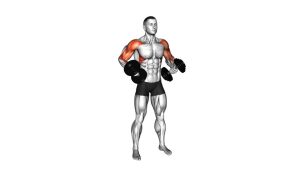
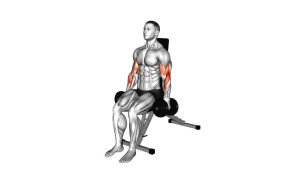
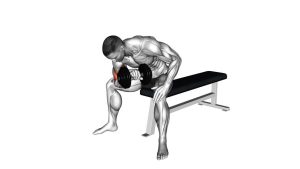
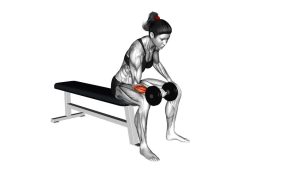
Dumbbell Lying Supine Curl: Proper Form, Sets, Tips & FAQ
Learn the Dumbbell Lying Supine Curl for stronger forearms, brachialis, and biceps control. Includes setup, step-by-step form, sets by goal, mistakes, FAQ, and equipment.
Dumbbell Lying Supine Curl
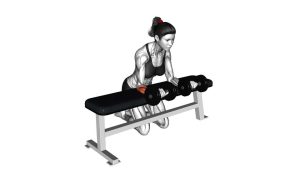
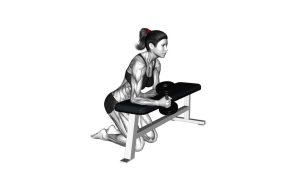
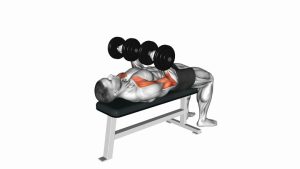
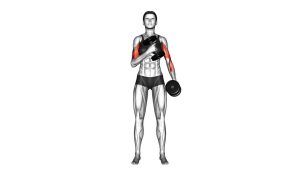
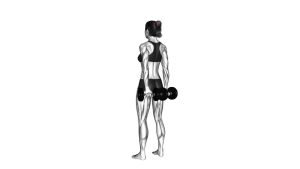
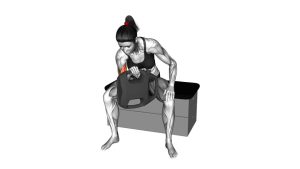
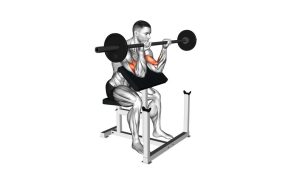
The Dumbbell Lying Supine Curl is different from a regular standing curl because your body cannot easily lean backward, bounce, or use hip drive to move the weight. Lying on the bench creates a more stable position, which makes every repetition feel stricter and more controlled. This is especially useful for people who want to improve arm strength without turning the curl into a full-body movement.
In this exercise, the dumbbells start beside or slightly below the torso while the arms hang down from the bench. From there, you curl the weights upward by bending the elbows while keeping the upper arms as steady as possible. The forearms work hard to control the dumbbells, while the brachialis and biceps assist during elbow flexion. The result is a focused curl variation that emphasizes clean technique, steady tension, and controlled range of motion.
Quick Overview
| Body Part | Forearms |
|---|---|
| Primary Muscle | Forearm flexors and brachioradialis |
| Secondary Muscle | Brachialis, biceps brachii, wrist stabilizers |
| Equipment | Flat bench and pair of dumbbells |
| Difficulty | Beginner to intermediate |
Sets & Reps (By Goal)
- Technique practice: 2–3 sets of 10–12 reps using light dumbbells and a slow tempo.
- Forearm strength: 3–4 sets of 8–12 reps with controlled reps and full elbow extension.
- Muscle growth: 3–4 sets of 10–15 reps, keeping constant tension and avoiding rest at the bottom.
- Arm finisher: 2–3 sets of 12–20 reps near the end of an arm or pull workout.
- Grip support: 2–4 sets of 10–15 reps while keeping the wrists neutral and firm.
Progression rule: Add reps first, then increase dumbbell weight gradually. Do not sacrifice elbow control or wrist position just to lift heavier.
Setup / Starting Position
- Choose a flat bench: Lie face-up with your head, upper back, and hips supported. Keep your feet planted firmly on the floor.
- Hold one dumbbell in each hand: Let your arms hang naturally beside the bench with the palms facing up or slightly inward, depending on comfort.
- Set your shoulders: Keep the shoulder blades gently pulled back and down. Avoid shrugging or letting the shoulders roll forward.
- Keep the elbows close: The elbows should stay near the sides of the body and slightly behind the torso at the start.
- Brace lightly: Keep your ribs controlled and avoid arching your lower back excessively.
- Start with straight wrists: Do not let the wrists collapse backward or curl forward. The dumbbells should feel secure in your hands.
The starting position should feel stable and controlled. If the dumbbells pull your arms too far back or cause shoulder discomfort, reduce the weight or shorten the range slightly.
Execution (Step-by-Step)
- Begin from the stretched position: Let the arms extend down beside the bench while maintaining shoulder control.
- Curl the dumbbells upward: Bend the elbows and bring the dumbbells toward the upper body in a smooth arc.
- Keep the upper arms steady: Avoid swinging the elbows forward. The movement should come mainly from elbow flexion.
- Control the wrists: Keep the wrists neutral and firm. Do not over-bend them to help lift the dumbbells.
- Squeeze at the top: Pause briefly when the elbows are flexed and the forearms are strongly contracted.
- Lower slowly: Return the dumbbells to the starting position under control. Do not drop into the bottom position.
- Repeat with rhythm: Use a steady tempo, such as 2 seconds up and 2–3 seconds down.
Pro Tips & Common Mistakes
Pro Tips
- Use a light start: This exercise feels stricter than standing curls, so begin lighter than usual.
- Pause at the top: A short squeeze improves control and prevents rushed repetitions.
- Lower with purpose: The eccentric phase is important for strength and muscle growth.
- Keep the wrists stacked: A neutral wrist position keeps the tension on the forearms and elbow flexors.
- Use smooth breathing: Exhale during the curl and inhale as you lower the dumbbells.
- Train both arms evenly: If one side feels weaker, match the stronger side to the weaker side’s clean reps.
Common Mistakes
- Going too heavy: Heavy dumbbells can cause swinging, elbow stress, or shortened range of motion.
- Letting the elbows drift: Moving the elbows too much reduces isolation and shifts work away from the target muscles.
- Dropping the weights: A fast descent increases joint stress and removes useful tension.
- Over-flexing the wrists: Curling the wrists aggressively can irritate the forearms and reduce clean elbow flexion.
- Arching the back: The bench should help you stay stable, not create excessive spinal extension.
- Rushing the reps: Fast reps usually reduce forearm involvement and increase momentum.
FAQ
What muscles does the Dumbbell Lying Supine Curl work?
It mainly trains the forearm flexors, brachioradialis, brachialis, and biceps. Because the body is supported on a bench, the movement becomes stricter and places more focus on the arms instead of momentum.
Is this better than a standing dumbbell curl?
It is not automatically better, but it is stricter. Standing curls allow more natural body movement, while the lying supine curl reduces cheating and encourages controlled elbow flexion.
Should my palms face up or neutral?
A palms-up grip emphasizes the biceps more, while a slightly neutral grip can feel more comfortable for the wrists and may increase brachialis and brachioradialis involvement. Use the grip that feels strongest and pain-free.
How heavy should I go?
Start with light to moderate dumbbells. You should be able to complete every rep without shoulder movement, wrist collapse, or bouncing at the bottom.
Can beginners do this exercise?
Yes, beginners can use it if they start light and focus on control. It is especially useful for learning strict curling mechanics because the bench limits body swing.
Why do I feel this in my forearms?
That is normal. The forearms stabilize the dumbbells and help control the wrist and elbow during the curl. If the feeling becomes sharp or uncomfortable, reduce the weight and check your wrist position.
Recommended Equipment
- Adjustable Dumbbells — ideal for gradually increasing resistance without needing a full dumbbell rack.
- Flat Weight Bench — provides the stable lying position needed for strict supine curls.
- Hex Dumbbell Set — useful for fixed-weight training and smooth progression.
- Wrist Wraps — optional support for lifters who need extra wrist stability during curls.
- Weightlifting Gloves with Wrist Support — can improve grip comfort and reduce dumbbell slipping during higher-rep sets.
Choose equipment that allows smooth, pain-free repetitions. For this exercise, control matters more than maximum load.