Elbow Flexion Exercise: Proper Form, Muscles Worked, Sets, Tips & FAQ
Learn how to perform Elbow Flexion with proper form. Improve biceps control, elbow strength, and arm mobility with step-by-step cues, sets, mistakes, FAQs, and equipment suggestions.
Elbow Flexion
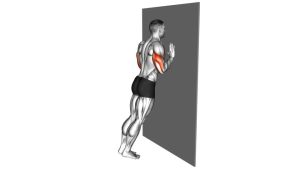
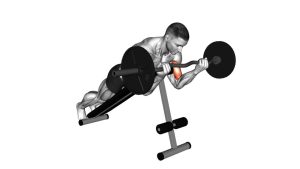
Elbow flexion is one of the most fundamental upper-body movements. In daily life, it appears when you lift objects, bring your hand toward your body, carry groceries, or perform curling exercises. Because of that, learning this movement with clean control can improve arm coordination, elbow stability, and biceps activation.
Additionally, this exercise is useful for beginners, warm-ups, mobility sessions, rehabilitation-style control drills, and technique practice before progressing to dumbbell curls, cable curls, or resistance band curls.
Quick Overview
| Body Part | Arms |
|---|---|
| Primary Muscle | Biceps brachii |
| Secondary Muscle | Brachialis, brachioradialis, forearm stabilizers |
| Equipment | None required; optional dumbbells, resistance bands, or cable machine for progression |
| Difficulty | Beginner |
Sets & Reps (By Goal)
- Movement learning: 2–3 sets × 10–15 slow reps
- Warm-up activation: 1–2 sets × 12–20 reps with light effort
- Mobility and control: 2–3 sets × 8–12 reps with a 2-second pause at the top
- Strength progression: 3–4 sets × 8–12 reps using light dumbbells or bands
- Rehab-style practice: 2–3 sets × 6–10 controlled reps, staying completely pain-free
Progression rule: First, improve control and full range of motion. Then, gradually add resistance only when the elbow, wrist, and shoulder stay relaxed and stable.
Setup / Starting Position
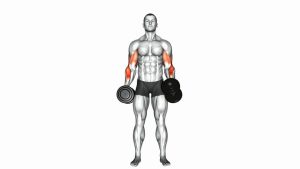
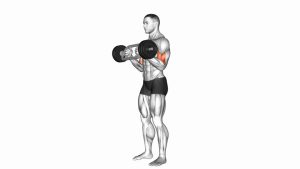
- Stand tall: Keep your feet about hip-width apart and maintain an upright posture.
- Relax your shoulders: Let the shoulders stay down and back without shrugging.
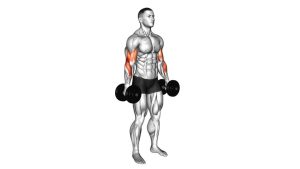
- Position your arms: Start with your arms extended by your sides.
- Set your palms: Keep your palms facing forward if you want to emphasize the biceps more.
- Stabilize the upper arm: Keep the elbows close to your torso before starting the movement.
- Brace lightly: Engage your core just enough to prevent leaning or swinging.
A good setup makes the exercise more effective. Therefore, avoid starting with rounded shoulders, bent wrists, or elbows drifting away from the body.
Execution (Step-by-Step)
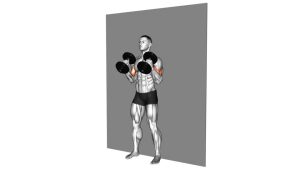
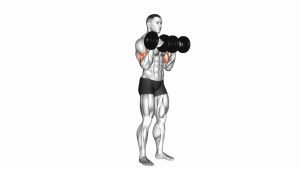
- Begin from full extension: Start with your elbows straight but not aggressively locked.
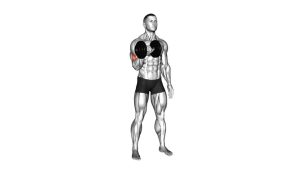
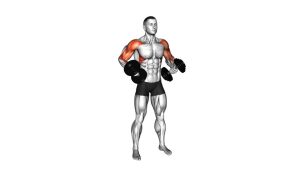
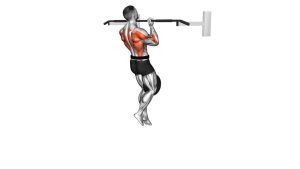
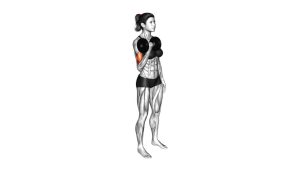
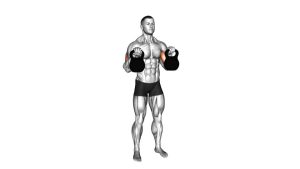
- Flex the elbow: Bend your elbows and bring your hands upward toward your shoulders.
- Keep the upper arms still: Move from the elbow joint instead of swinging from the shoulders.
- Squeeze at the top: Pause briefly when the elbow is fully flexed and the biceps are shortened.
- Lower with control: Slowly extend the elbows and return to the starting position.
- Repeat smoothly: Continue for the target reps without rushing or using momentum.
Pro Tips & Common Mistakes
Pro Tips
- Use a full range of motion: Start from controlled extension and finish with a complete elbow bend.
- Move slowly: A slower tempo improves muscle awareness and reduces compensation.
- Keep wrists neutral: Avoid curling or bending the wrists excessively.
- Control the lowering phase: The eccentric portion builds strength and protects the elbow.
- Breathe naturally: Exhale as you flex, then inhale as you lower.
Common Mistakes
- Swinging the torso: This reduces biceps involvement and turns the drill into a momentum movement.
- Letting elbows move forward: This shifts stress away from pure elbow flexion.
- Shrugging the shoulders: Shoulder tension can reduce arm control and create unnecessary neck tightness.
- Rushing the reps: Fast reps often hide poor control.
- Over-gripping: Excessive hand tension can make the forearms dominate the movement.
FAQ
What is elbow flexion?
Elbow flexion is the action of bending the elbow so the forearm moves closer to the upper arm. It is the main joint action used during curls and many pulling movements.
Which muscles work during elbow flexion?
The main muscle is the biceps brachii. However, the brachialis and brachioradialis also help bend the elbow, especially depending on hand position.
Is elbow flexion good for beginners?
Yes. It is very beginner-friendly because it teaches a basic arm movement pattern. Additionally, it helps build awareness before using heavier resistance.
Should I use dumbbells for elbow flexion?
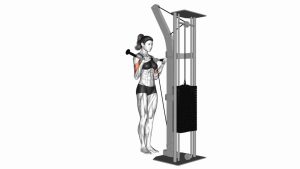
You can start with no equipment. After your form is clean, you can progress with dumbbells, resistance bands, or cables.
Why do my shoulders move during elbow flexion?
Your shoulders may move because the weight is too heavy, the movement is too fast, or your upper arms are not stabilized. Therefore, reduce resistance and keep the elbows close to your body.
Recommended Equipment
- Adjustable Dumbbells — ideal for progressing elbow flexion into controlled dumbbell curls.
- Resistance Bands Set — useful for light elbow flexion, warm-ups, and joint-friendly resistance.
- Arm Blaster — helps keep the upper arms stable during curl-style progressions.
- Exercise Mat — useful for warm-ups, mobility drills, and floor-based arm control work.
- Weight Lifting Gloves — can improve grip comfort when progressing to dumbbells or cable handles.
Tip: Start light and prioritize clean movement. Then, increase resistance gradually as your elbow control improves.