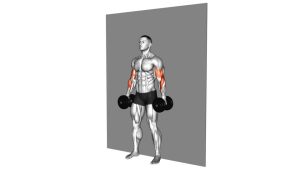
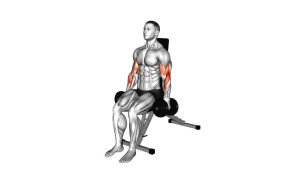
Dumbbell Reverse Spider Curl: Proper Form, Muscles Worked, Sets, Tips & FAQ
Learn how to do the Dumbbell Reverse Spider Curl with strict form to target the brachialis, biceps, and forearms. Includes setup, step-by-step execution, sets and reps by goal, mistakes to avoid, FAQ, and recommended equipment.
Dumbbell Reverse Spider Curl
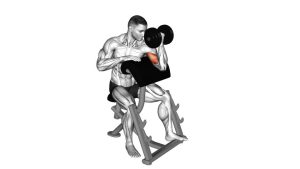
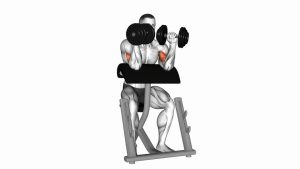
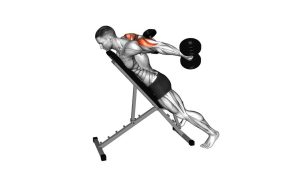
This variation works best when you keep your chest planted on the bench and let the arms hang naturally underneath the shoulders. Because the torso is supported, it becomes much harder to cheat with body swing. That makes it a strong choice for building upper-arm thickness, improving forearm involvement, and reinforcing a cleaner curling pattern.
Quick Overview
| Body Part | Biceps |
|---|---|
| Primary Muscle | Brachialis |
| Secondary Muscle | Brachioradialis, biceps brachii, forearm extensors |
| Equipment | Dumbbells and an incline bench |
| Difficulty | Beginner to Intermediate |
Sets & Reps (By Goal)
- Muscle growth: 3–4 sets × 8–12 reps with 60–90 sec rest
- Arm detail and control: 2–4 sets × 10–15 reps with a slow lowering phase
- Forearm and brachialis emphasis: 3–4 sets × 12–15 reps using strict form and moderate weight
- Technique practice: 2–3 sets × 8–10 reps with light dumbbells and a 2-second squeeze at the top
Progression rule: Add reps before adding load. Once you can complete all sets cleanly without elbow movement or torso compensation, increase the dumbbell weight slightly.
Setup / Starting Position
- Set an incline bench: Adjust the bench to a moderate incline so your chest can rest comfortably against the pad.
- Lie face down: Plant your chest against the bench with your feet stable on the floor for balance.
- Hold the dumbbells overhand: Let your arms hang straight down with palms facing backward/down in a pronated grip.
- Fix the upper arms: Keep the shoulders packed and let the elbows point toward the floor.
- Start from full extension: Begin with straight arms, neutral wrists, and no swinging.
Tip: Keep your chest glued to the bench from start to finish so the curl stays strict and isolated.
Execution (Step-by-Step)
- Brace and stay still: Keep your torso supported and shoulders quiet before initiating the rep.
- Curl the dumbbells upward: Bend at the elbows and raise the dumbbells in a controlled arc while keeping the upper arms fixed.
- Maintain the overhand grip: Do not rotate the wrists; keep the palms facing down/back throughout the movement.
- Squeeze at the top: Pause briefly when the forearms approach vertical and the brachialis is fully contracted.
- Lower slowly: Reverse the motion under control until your arms are fully extended again.
- Repeat with strict tempo: Avoid bouncing into the next rep—each repetition should start from a dead-still bottom position.
Pro Tips & Common Mistakes
- Use a true overhand grip: A pronated grip is what makes this variation different from a regular spider curl.
- Keep wrists neutral: Don’t curl the wrists upward to cheat the weight through the rep.
- Don’t swing the dumbbells: Chest support should remove momentum, not invite sloppy reps.
- Keep elbows in place: The elbow joint should drive the curl, not the shoulder.
- Control the lowering phase: The eccentric helps build arm thickness and reinforces better form.
- Use moderate loads: This movement responds better to precision and tension than ego lifting.
- Pair it intelligently: It works well after regular curls, hammer curls, or rows in an upper-arm workout.
FAQ
What muscles does the Dumbbell Reverse Spider Curl target most?
The main emphasis is on the brachialis and brachioradialis, while the biceps still assist. The overhand grip reduces biceps dominance compared with a standard supinated curl.
Is this better than a regular spider curl?
It is not necessarily better—it is simply different. A regular spider curl targets the biceps more directly, while the reverse version shifts more stress toward the brachialis and forearms.
Should I go heavy on reverse spider curls?
Usually no. This exercise works best with strict, moderate loading. Going too heavy often causes wrist strain, elbow drift, and momentum-based reps.
Can beginners do this exercise?
Yes. Beginners can use light dumbbells and focus on clean elbow flexion, full range of motion, and a steady tempo. The bench support actually makes the movement easier to learn correctly.
Where should I feel it during the rep?
Most people feel it across the front of the upper arm and through the top side of the forearm. You should not feel the movement dominated by shoulder swinging or lower-back involvement.
Recommended Equipment
- Adjustable Weight Bench — essential for setting the chest-supported incline position used in spider curl variations
- Rubber Hex Dumbbells — stable, durable dumbbells that work well for strict arm training
- Adjustable Dumbbell Set — useful if you want multiple weight options without storing many separate pairs
- Weight Lifting Gloves — can improve grip comfort during higher-rep reverse-grip curls
- Dumbbell Rack Set — helpful for organizing multiple dumbbell pairs in a home gym setup
Tip: For this exercise, prioritize a stable bench and manageable dumbbell jumps over buying the heaviest setup possible.