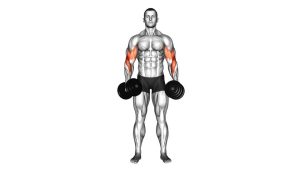
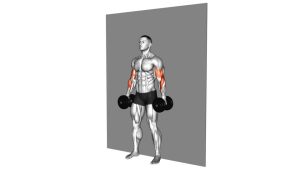
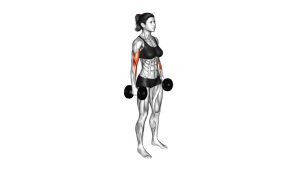
Bottle-Weighted Alternate Hammer Curl: Form, Muscles Worked, Sets, Tips & FAQ
Learn how to do the Bottle-Weighted Alternate Hammer Curl with proper form. Discover muscles worked, setup, step-by-step execution, sets by goal, common mistakes, FAQs, and recommended equipment.
Bottle-Weighted Alternate Hammer Curl
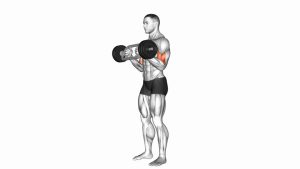
This exercise is a practical option for home workouts, travel training, or beginners building arm strength without access to dumbbells. Because the hands stay in a neutral position, the movement emphasizes the brachialis and forearm muscles while still training the biceps effectively. The alternating pattern also makes it easier to concentrate on one arm at a time and maintain cleaner form.
Quick Overview
| Body Part | Biceps |
|---|---|
| Primary Muscle | Brachialis |
| Secondary Muscle | Biceps brachii, brachioradialis, forearms |
| Equipment | Two water bottles or similar household weighted objects |
| Difficulty | Beginner |
Sets & Reps (By Goal)
- Muscle endurance: 2–4 sets × 12–20 reps per arm with short rest and strict control
- General toning / beginner strength: 3–4 sets × 10–15 reps per arm with 45–75 seconds rest
- Hypertrophy / muscle building: 3–5 sets × 8–12 reps per arm using heavier bottles or slower tempo
- Warm-up / activation: 1–2 sets × 12–15 light reps per arm before a full arm workout
Progression note: Increase bottle weight, slow the lowering phase, or add reps before increasing total volume too aggressively.
Setup / Starting Position
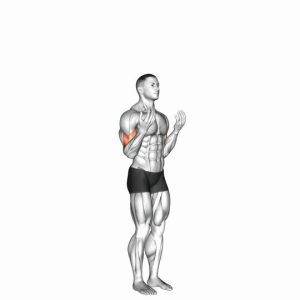
- Stand tall: Place your feet about hip-width to shoulder-width apart with your chest up and core lightly braced.
- Hold one bottle in each hand: Use a neutral grip so your palms face inward toward your torso.
- Let the arms hang naturally: Keep both arms extended by your sides without locking the elbows aggressively.
- Set your shoulders: Pull them down and back slightly so you do not shrug during the curl.
- Keep elbows close: Your elbows should stay near your ribcage throughout the movement.
Tip: Choose bottles that feel evenly matched in weight so both arms work under the same resistance.
Execution (Step-by-Step)
- Start from the bottom position: Both bottles hang at your sides with palms facing inward and posture upright.
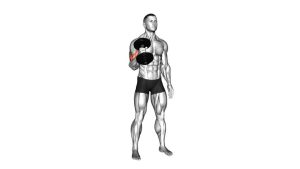
- Curl one arm up: Bend one elbow and raise the bottle toward shoulder level while keeping the wrist neutral.
- Pause briefly at the top: Squeeze the arm without rotating the hand or letting the elbow drift forward too much.
- Lower with control: Bring the bottle back down slowly until the arm is nearly fully extended.
- Switch arms: Repeat the same motion with the other arm, creating a steady alternating rhythm.
- Continue alternating: Perform all prescribed reps with clean form and minimal body movement.
Pro Tips & Common Mistakes
- Keep a neutral grip: Do not turn the palms upward—this is what keeps it a hammer curl variation.
- Control the lowering phase: The eccentric portion helps build more tension and better technique.
- Do not swing the bottles: Using momentum reduces arm involvement and makes the movement less effective.
- Keep elbows tucked: Letting the elbows drift too far forward can shift tension away from the intended pattern.
- Brace your core: Avoid leaning backward to help lift the bottles.
- Match both sides: Use the same range of motion and tempo for the right and left arm.
- Use practical overload: If the bottles become too easy, fill them with more water, sand, or switch to heavier objects safely.
FAQ
What muscles does the Bottle-Weighted Alternate Hammer Curl work?
It primarily targets the brachialis, while also training the biceps brachii and brachioradialis. The neutral grip makes it especially useful for building arm thickness and forearm contribution.
Is using bottles effective instead of dumbbells?
Yes, especially for beginners, home workouts, and higher-rep training. Bottles can provide enough resistance to improve endurance, coordination, and early-stage arm strength when used with strict form.
Should I do both arms at the same time or alternate them?
Alternating arms helps many people focus on better control and balance. It also makes the movement feel easier to manage when using household items instead of gym equipment.
How heavy should the bottles be?
Use a weight that lets you complete your target reps with clean technique. If you have to swing, shrug, or lean back, the load is too heavy for strict execution.
Can this exercise help build bigger arms?
Yes. While heavier gym equipment may offer more long-term overload, this variation can still contribute to arm growth when you train consistently, control tempo, and progress resistance over time.
Recommended Equipment
- Adjustable Dumbbells — a natural upgrade when bottle curls become too light for progressive overload
- Fillable Water Weights — useful for adjustable home resistance with a similar feel to bottle training
- Resistance Bands Set — a versatile arm-training option for curls, rows, and other home exercises
- Grip Strength Trainer — helps improve hand and forearm strength for better control during curls
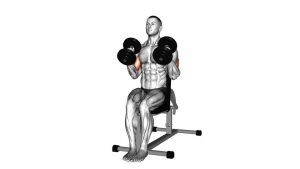
- Home Workout Bench — useful if you want to expand into seated curls, concentration curls, and other arm variations
Tip: Start with the equipment you already have. Consistent technique and gradual progression matter more than having perfect gear on day one.