Weighted Front Raise Hold: Proper Form, Shoulder Benefits, Sets & Tips
Learn how to perform the Weighted Front Raise Hold with proper form to build front delts, shoulder stability, and control. Includes setup, step-by-step execution, sets by goal, mistakes, FAQs, and recommended equipment.
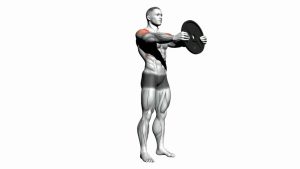
Weighted Front Raise Hold
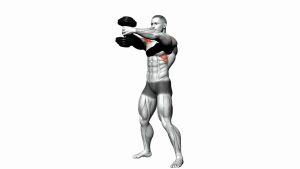
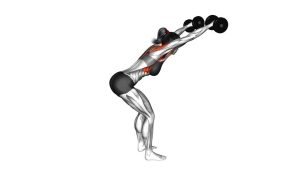
This exercise is best performed with strict control and a moderate load. The hold at the top increases time under tension, making the front delts work harder than in a standard front raise. You should feel the effort mostly in the front of the shoulders, while the torso stays braced and still. Avoid using momentum, leaning back, or shrugging the shoulders to move the weight.
Quick Overview
| Body Part | Front Shoulders |
|---|---|
| Primary Muscle | Anterior deltoids (front delts) |
| Secondary Muscle | Upper chest, serratus anterior, upper traps (stabilizing), core |
| Equipment | Weight plate, dumbbell, or similar free weight |
| Difficulty | Beginner to Intermediate |
Sets & Reps (By Goal)
- Muscle endurance: 2–4 sets × 10–15 reps with a 1–3 second hold at the top
- Hypertrophy: 3–4 sets × 8–12 reps with a 2–5 second hold at shoulder height
- Shoulder control / warm-up: 2–3 sets × 8–10 reps with a lighter load and clean pauses
- Finisher burn: 1–2 sets × 12–20 reps using light weight and strict form
Progression rule: Increase hold time first, then reps, then load. If posture breaks or the weight starts swinging, reduce the load and clean up the movement.
Setup / Starting Position
- Stand tall: Place your feet about shoulder-width apart and keep your body balanced.
- Hold the weight securely: Grip a plate with both hands at the sides, or hold a dumbbell with both hands in front of your thighs.
- Set your torso: Brace your core, keep your ribs down, and maintain a neutral spine.
- Relax the shoulders: Keep them down and back lightly without over-squeezing the shoulder blades.
- Start with straight arms: Keep the elbows slightly soft, not locked hard, with the weight resting in front of the thighs.
Tip: A lighter weight often works better for this movement because the hold exposes bad form very quickly.
Execution (Step-by-Step)
- Lift the weight forward: Raise the plate in front of your body in a smooth arc.
- Stop at shoulder height: Bring the weight to about parallel with the floor without lifting too high.
- Pause and hold: Keep the weight steady for the planned hold time while maintaining a tight core and relaxed neck.
- Avoid momentum: Do not lean backward, bounce, or swing the weight into position.
- Lower under control: Bring the weight back down slowly to the starting position in front of your thighs.
- Repeat with the same tempo: Every rep should look nearly identical from start to finish.
Pro Tips & Common Mistakes
- Keep the torso still: The body should not rock or lean back to help the lift.
- Hold at shoulder height: Going too high often shifts tension away from the target muscles and may irritate the shoulders.
- Use a moderate grip pressure: Hold the weight firmly, but avoid unnecessary forearm tension.
- Keep the neck relaxed: Do not shrug your shoulders toward your ears during the hold.
- Control the lowering phase: The descent is part of the rep, not just the way back down.
- Don’t chase heavy weight: This exercise works best when the front delts, not momentum, do the work.
- Use it strategically: Great as an accessory move after presses or as a shoulder finisher.
FAQ
What muscles does the weighted front raise hold work?
It mainly targets the anterior deltoids, which are the front portion of the shoulders. Secondary support comes from the upper chest, serratus anterior, and core stabilizers.
Why add a hold at the top instead of doing normal front raises?
The hold increases time under tension and makes the front delts stay active without rest. This can improve shoulder endurance, control, and overall muscle stimulus.
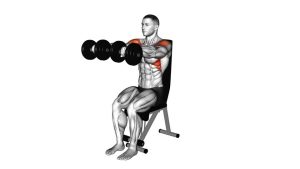
Should I use a plate or a dumbbell?
Both work well. A plate is often comfortable for two-handed front raises, while a dumbbell may be easier to grip depending on your equipment and hand position preferences.
How long should I hold the weight at the top?
Most people do well with a 1–5 second hold. Shorter holds are good for higher reps, while longer holds increase difficulty even with lighter loads.
Is this exercise good for building bigger shoulders?
Yes, it can help build the front delts, especially when used alongside presses and other shoulder isolation exercises. It works best as part of a balanced shoulder program.
Recommended Equipment (Optional)
- Weight Plates — ideal for performing the exercise exactly as shown with a secure two-hand grip
- Adjustable Dumbbells — versatile option for front raises, presses, and many other shoulder movements
- Resistance Bands Set — useful for warm-ups, lighter shoulder work, and extra delt volume
- Weightlifting Belt — optional support tool for lifters who want extra trunk awareness during standing lifts
- Workout Grips / Training Gloves — can improve comfort and grip when holding plates or dumbbells for longer sets
Tip: For this exercise, lighter and more controlled equipment choices usually produce better shoulder tension than going excessively heavy.