Weighted Hanging Leg Hip Raise: Form, Muscles, Sets & Tips
Learn the weighted hanging leg hip raise for stronger abs, hip control, and core stability. Includes setup, steps, mistakes, FAQs, and gear.
Weighted Hanging Leg Hip Raise
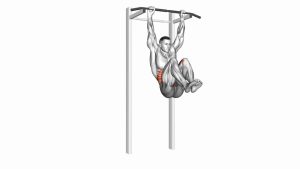
This exercise is highly effective for building stronger lower-ab control because it challenges the body from a hanging position. The arms stay extended, the shoulders remain active, and the torso must resist swinging while the legs move upward with added load. Since the dumbbell increases difficulty, every repetition should be performed slowly, with clean control and no aggressive kicking.
A good rep starts from a stable dead hang, moves through a controlled leg raise, and finishes with the hips curling upward. That final hip lift is the key detail. Without it, the exercise becomes mostly a weighted hanging leg raise. With it, the movement becomes a true abdominal hip raise that heavily targets the rectus abdominis.
Quick Overview
| Body Part | Abs |
|---|---|
| Primary Muscle | Rectus abdominis, especially the lower-ab region during the hip raise |
| Secondary Muscle | Hip flexors, obliques, forearms, grip muscles, lats, and shoulder stabilizers |
| Equipment | Pull-up bar and dumbbell held between the feet |
| Difficulty | Advanced |
Sets & Reps (By Goal)
- Core strength: 3–5 sets × 4–8 controlled reps with 90–150 seconds rest.
- Muscle building: 3–4 sets × 8–12 reps using a lighter dumbbell and slower lowering phase.
- Advanced ab control: 4 sets × 5–8 reps with a 1–2 second hip-lift pause at the top.
- Grip and core endurance: 2–3 sets × 10–15 reps only if form stays strict.
- Skill progression: 3 sets × 3–6 reps with bodyweight first, then add light load gradually.
Progression rule: First improve control, then add reps, and only increase dumbbell weight after your hips can curl upward without swinging. A heavier load is not useful if the torso rocks or the legs drop quickly.
Setup / Starting Position
- Choose a secure bar: Use a pull-up bar that allows your legs to hang freely without touching the floor.
- Place the dumbbell carefully: Hold a light-to-moderate dumbbell between your feet. Squeeze it firmly before leaving the floor or box.
- Grip the bar: Use an overhand grip slightly wider than shoulder width. Wrap the thumbs fully around the bar for security.
- Set the shoulders: Pull the shoulders slightly down and away from the ears. Avoid hanging completely loose.
- Brace the core: Keep the ribs controlled, legs together, and feet locked around the dumbbell.
- Start from stillness: Let the body settle before the first rep. Do not begin while swinging.
If the dumbbell feels unstable, reduce the load immediately. A lighter clean rep is safer and more effective than a heavy swinging rep.
Execution (Step-by-Step)
- Begin in a strong hang: Keep your arms long, shoulders active, legs straight, and dumbbell secured between your feet.
- Lift the legs forward: Raise your legs smoothly by flexing at the hips. Avoid kicking or using momentum.
- Pass through horizontal: As the legs approach hip height, keep the torso quiet and resist backward swinging.
- Curl the hips upward: At the top, roll the pelvis toward the ribs. This hip lift creates the strongest abdominal contraction.
- Pause briefly: Hold the top for a short moment while keeping the dumbbell stable and the abs tight.
- Lower with control: Slowly uncurl the hips first, then lower the legs back toward the start position.
- Reset before the next rep: Stop any swing before repeating. Each rep should begin from control, not momentum.
Pro Tips & Common Mistakes
- Lead with control, not speed: Fast reps usually create swinging and reduce abdominal tension.
- Curl the hips at the top: The hip lift is what turns this into a true weighted hanging hip raise.
- Keep the dumbbell secure: Squeeze the feet together and avoid using a weight that shifts during the rep.
- Avoid excessive arching: Do not let the lower back overextend at the bottom. Keep the ribs controlled.
- Do not relax the shoulders: Active shoulders help protect the joints and reduce uncontrolled swinging.
- Lower slowly: The eccentric phase builds strength and teaches better core control.
- Do not chase height only: A clean hip curl matters more than simply getting the feet higher.
- Use bodyweight first: Master strict hanging leg raises before adding a dumbbell.
FAQ
What muscles does the weighted hanging leg hip raise work?
The weighted hanging leg hip raise mainly works the rectus abdominis, especially when the hips curl upward at the top. It also trains the hip flexors, obliques, forearms, grip, lats, and shoulder stabilizers.
Is this better than a regular hanging leg raise?
It is more advanced because it adds external resistance and includes a stronger hip lift. A regular hanging leg raise is better for learning control, while the weighted version is better for advanced strength once the basic form is mastered.
Should my knees stay completely straight?
Your legs should stay mostly straight, but a small natural knee bend is acceptable. The main priority is keeping the movement controlled and curling the hips upward without swinging.
Why do I feel this more in my hip flexors than my abs?
Hip flexors will assist during the leg raise portion. To increase abdominal involvement, focus on the top position and actively roll the pelvis upward toward the ribs instead of only lifting the legs.
How heavy should the dumbbell be?
Start very light. Use a weight you can control for every rep without swinging, dropping the legs, or losing the dumbbell. Most lifters should progress slowly because the hanging position already makes the exercise demanding.
Who should avoid this exercise?
Beginners, people with shoulder pain, grip limitations, lower-back irritation, or hip flexor pain should avoid the weighted version. Start with lying leg raises, captain’s chair knee raises, or bodyweight hanging knee raises first.
Recommended Equipment
- Adjustable Dumbbell — useful for gradually increasing resistance without needing many separate dumbbells.
- Pull-Up Bar — essential for hanging leg raises, hanging hip raises, and other core movements.
- Hanging Ab Straps — helpful if grip fatigue limits your core work, but strict grip training is still valuable.
- Weightlifting Chalk — improves grip security during hanging exercises and reduces slipping.
- Adjustable Ankle Weights — an alternative loading option if holding a dumbbell between the feet feels unstable.
Choose equipment that allows safe control. For this exercise, stability matters more than maximum load.