Rotating Stomach Stretch: Form, Benefits, Tips & FAQ
Learn the Rotating Stomach Stretch to improve abdominal, oblique, hip, and spinal mobility with proper form, cues, mistakes, FAQs, and equipment.
Rotating Stomach Stretch
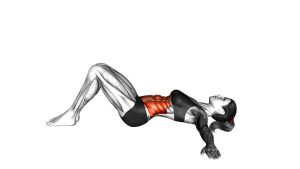
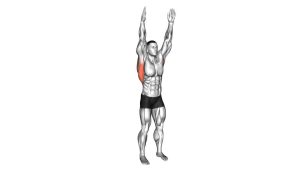
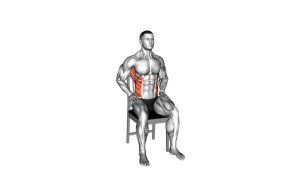
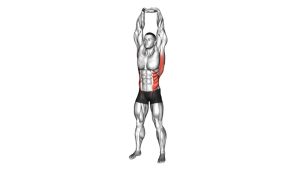
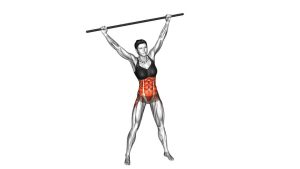
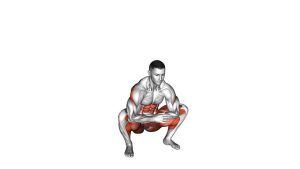
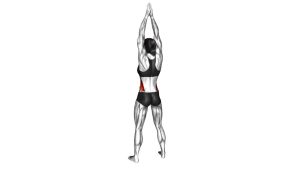
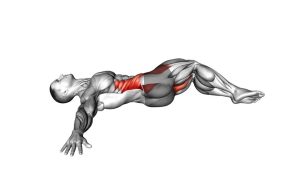
This stretch works best when the movement is slow, controlled, and comfortable. Instead of forcing the lower back into a deep arch, press gently through the hands, lift the chest, and rotate the torso only as far as you can while breathing smoothly. As a result, the stretch should feel open and relieving through the abdomen, not sharp or compressed in the spine.
Quick Overview
| Body Part | Core |
|---|---|
| Primary Muscle | Rectus abdominis |
| Secondary Muscle | Obliques, hip flexors, chest, anterior shoulder, spinal extensors |
| Equipment | Bodyweight only; optional exercise mat |
| Difficulty | Beginner |
Sets & Reps (By Goal)
- General flexibility: 2–3 sets × 20–30 seconds per side
- Post-workout recovery: 1–2 sets × 30–45 seconds per side
- Mobility warm-up: 1–2 sets × 6–8 slow rotations per side
- Core stretch routine: 2–4 sets × 15–25 seconds per side with relaxed breathing
Progression rule: First increase breathing control and smoothness. Then increase hold time slightly. Do not progress by forcing a deeper lower-back arch.
Setup / Starting Position
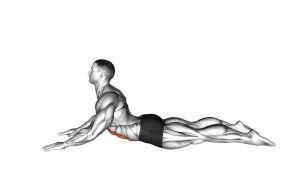
- Lie face down: Start in a prone position with your legs extended behind you and the tops of your feet resting on the floor.
- Place the hands under the shoulders: Keep your palms flat, elbows bent, and fingers pointing forward.
- Relax the lower body: Let the hips stay heavy toward the floor so the stretch targets the front of the torso.
- Set the neck gently: Keep your head in line with your spine before lifting the chest.
- Prepare to breathe: Take a calm inhale before pressing up, then move slowly into the stretch.
If the floor feels uncomfortable, use a soft exercise mat. However, avoid using a very thick unstable surface because it may make the hands and shoulders less steady.
Execution (Step-by-Step)
- Press into the floor: Push gently through your palms and begin lifting your chest away from the ground.
- Open the front body: Extend through the upper torso while keeping the hips close to the floor.
- Keep the shoulders down: Draw the shoulders away from the ears so the neck stays relaxed.
- Rotate slowly: Turn your chest and shoulders slightly toward one side while keeping the movement controlled.
- Breathe into the stretch: Hold the rotated position briefly and allow the abdomen and obliques to lengthen.
- Return to center: Move back to the middle without dropping suddenly.
- Repeat on the other side: Rotate in the opposite direction with the same slow tempo and comfortable range.
Pro Tips & Common Mistakes
Pro Tips
- Move through the chest first: Think about opening the chest rather than dumping pressure into the lower back.
- Use your breath: Exhale during the rotation to make the stretch smoother and less forced.
- Keep the hips grounded: This helps maintain a better abdominal stretch.
- Rotate gently: Small, controlled rotation is more useful than twisting aggressively.
- Use after core training: It works well after crunches, planks, leg raises, and ab rollouts.
Common Mistakes
- Overarching the lower back: This can create compression instead of a clean stomach stretch.
- Shrugging the shoulders: Keep the shoulders relaxed so the neck does not take over.
- Forcing the twist: Rotation should feel smooth, not sharp or strained.
- Lifting the hips too high: When the hips leave the floor, the abdominal stretch usually decreases.
- Holding the breath: Breathing helps the torso relax and improves stretch quality.
FAQ
What muscles does the Rotating Stomach Stretch target?
The main target is the rectus abdominis. In addition, the rotation helps stretch the obliques, while the lifted position may also involve the hip flexors, chest, shoulders, and spinal mobility.
Is the Rotating Stomach Stretch good after ab workouts?
Yes. It is a useful post-workout stretch after core exercises because it helps lengthen the front of the torso. However, keep the movement gentle, especially if your abs are already fatigued.
Should my hips stay on the floor?
Ideally, your hips should stay close to the floor. This position usually creates a better abdominal stretch. If your hips lift slightly because of your body structure or mobility level, reduce the press-up height and focus on comfort.
Why do I feel this stretch in my lower back?
Some lower-back sensation is common during spinal extension. However, it should not feel sharp or compressed. If it does, bend your elbows, lower your chest, brace lightly, and use less range.
Can beginners do the Rotating Stomach Stretch?
Yes. Beginners can perform it safely when they use a small range of motion and avoid forcing the twist. Start with short holds, breathe slowly, and build comfort over time.
Recommended Equipment (Optional)
- Exercise Mat — provides cushioning for the hips, ribs, and hands during prone stretching
- Extra-Thick Yoga Mat — helpful if the floor feels uncomfortable during stomach stretches
- Yoga Blocks — useful for modifying hand height and reducing pressure on the lower back
- Foam Roller — useful for warm-up mobility around the upper back before stretching
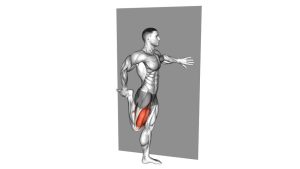
- Stretching Strap — helpful for pairing this stretch with hip flexor, quad, and hamstring mobility work
Tip: Equipment is optional. For this exercise, comfort and control matter more than adding tools.