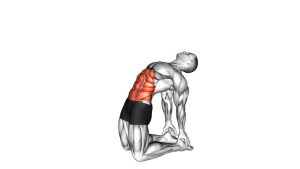
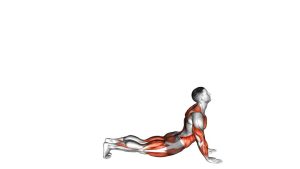
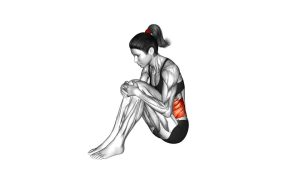
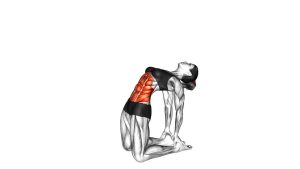
Lying Prone Abdominal Stretch: Form, Benefits, Tips & FAQ
Learn the lying prone abdominal stretch to open the abs, improve trunk extension, and release core tightness with safe form, tips, FAQs, and equipment.
Lying Prone Abdominal Stretch
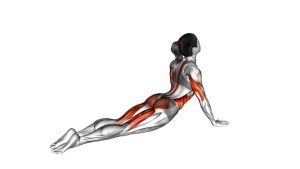
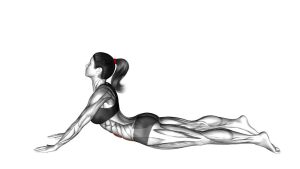
This exercise works best when the movement is slow, controlled, and relaxed. The arms help raise the chest, but they should not aggressively push the spine into an uncomfortable range. As the torso lifts, the front of the abdomen lengthens. The hips stay heavy on the floor, the shoulders stay away from the ears, and the neck follows the natural line of the spine.
Use this stretch after abdominal training, after sports that involve trunk flexion, or during a mobility session when your core feels tight. It can also help restore comfortable extension after long periods of sitting, because sitting often keeps the hips and trunk in a shortened position.
Quick Overview
| Body Part | Abs |
|---|---|
| Primary Muscle | Rectus abdominis |
| Secondary Muscle | External obliques, internal obliques, hip flexors, spinal extensors |
| Equipment | No equipment required. Optional mat, yoga block, towel, or small pillow. |
| Difficulty | Beginner |
Sets & Reps (By Goal)
- General mobility: 2–3 sets × 20–30 second holds.
- Post-workout abdominal recovery: 2 sets × 30–45 second holds.
- Beginner flexibility: 2–3 sets × 10–20 second holds with a low chest lift.
- Deeper stretch practice: 3 sets × 30–60 second holds, only if pain-free.
- Dynamic warm-up variation: 6–10 slow reps, lifting and lowering with control.
Progression rule: Increase hold time before increasing height. A clean low stretch is better than a high position that compresses the lower back.
Setup / Starting Position
- Lie face down: Start in a prone position with your stomach on the floor.
- Extend the legs: Keep both legs long behind you with the feet relaxed.
- Place the hands or forearms forward: Position your arms in front of your body so they can support the lift.
- Relax the lower body: Let the hips, pelvis, and lower abdomen stay heavy against the floor.
- Set the shoulders: Keep the shoulders down and away from the ears before you lift.
- Keep the neck neutral: Look slightly forward without throwing the head back.
If your lower back feels sensitive, begin with the forearms on the floor instead of straight arms. This reduces the range of motion and makes the stretch easier to control.
Execution (Step-by-Step)
- Start from the floor: Keep your chest low, legs extended, and pelvis grounded.
- Press lightly through the arms: Use the hands or forearms to guide the chest upward.
- Lift the chest slowly: Raise the upper body until you feel a comfortable stretch through the front of the abdomen.
- Keep the pelvis down: Do not let the hips peel away from the floor as the torso rises.
- Open the chest: Let the shoulders move slightly back and down without shrugging.
- Hold the top position: Breathe slowly while maintaining a gentle abdominal stretch.
- Lower with control: Bend the elbows and return the chest toward the floor without dropping suddenly.
- Reset before repeating: Pause briefly at the bottom, relax the abdomen, then repeat if using reps.
Pro Tips & Common Mistakes
Pro Tips
- Think “long front body”: Focus on lengthening the abdomen from the ribs to the pelvis.
- Use the arms as support: The arms help guide the lift, but they should not force the spine upward.
- Breathe into the stretch: Slow breathing helps reduce guarding and makes the stretch more effective.
- Keep the hips grounded: A grounded pelvis keeps the stretch focused on the abdominal wall.
- Choose the right height: Stop at the first comfortable stretch. You do not need maximum extension.
Common Mistakes
- Overarching the lower back: Lifting too high can turn the stretch into lumbar compression.
- Lifting the hips: If the pelvis comes off the floor, the abdominal stretch becomes less targeted.
- Shrugging the shoulders: Keep the shoulders down so the neck stays relaxed.
- Throwing the head back: Let the neck follow the spine instead of forcing extension.
- Moving too fast: A rushed rep reduces control and may irritate the back.
- Holding the breath: Breathing helps the abdomen relax into the stretch.
FAQ
What muscles does the lying prone abdominal stretch target?
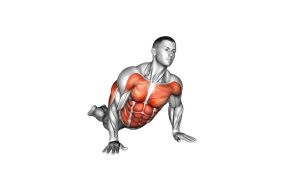
It mainly stretches the rectus abdominis, which runs down the front of the abdomen. It can also create a mild stretch through the obliques and hip flexors depending on your position.
Is this the same as a cobra stretch?
It is very similar to a cobra-style stretch. The main idea is the same: lie face down, lift the chest, and lengthen the front of the torso while keeping the pelvis grounded.
Should I feel this in my lower back?
A mild sense of back extension may happen, but the main feeling should be a comfortable stretch through the abdomen. If you feel pinching or sharp pressure in the lower back, reduce the height or stop.
How long should I hold the stretch?
Most people do well with 20–45 seconds per hold. Beginners can start with shorter holds and gradually increase time as comfort improves.
Can I do this stretch after ab workouts?
Yes. It is a good post-workout option after crunches, leg raises, planks, or other abdominal exercises. Keep the stretch gentle after intense core training.
Who should avoid this exercise?
People with acute lower-back pain, spinal extension intolerance, abdominal surgery recovery, pregnancy-related restrictions, or hernia concerns should get professional guidance before using this stretch.
Recommended Equipment
- Exercise Mat — adds comfort under the ribs, hips, knees, and forearms during prone stretching.
- Thick Yoga Mat — useful if hard floors make the hips or lower ribs uncomfortable.
- Yoga Blocks — helpful for modified mobility work and supported stretching positions.
- Foam Roller — useful for pairing this stretch with upper-back and hip mobility work.
- Stretching Strap — supports a complete flexibility routine for hips, legs, and trunk recovery.
Equipment is optional. The exercise can be performed with no tools, but a comfortable mat can improve consistency and reduce pressure on the front of the body.