Seated Twist on Stability Ball: Core Form, Benefits, Sets & Tips
Learn the Seated Twist on Stability Ball to train obliques, core control, and balance with safe setup, step-by-step form, tips, FAQs, and gear.
Seated Twist on Stability Ball
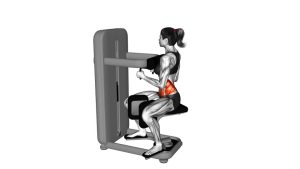
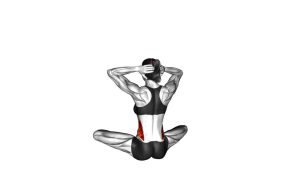
This exercise works best when the twist comes from the torso rather than from swinging the arms. First, the body builds a stable seated position on the ball. Then, the shoulders rotate as one unit while the hips stay quiet. As a result, the movement trains rotational strength, balance, posture, and coordination at the same time.
In addition, the stability ball increases the demand on the deep core muscles because the body must resist wobbling. Therefore, every repetition should feel controlled, smooth, and balanced. If the ball shifts too much, reduce your rotation range and slow the tempo before adding more reps.
Quick Overview
| Body Part | Core |
|---|---|
| Primary Muscle | Obliques |
| Secondary Muscle | Rectus abdominis, transverse abdominis, erector spinae, hip stabilizers |
| Equipment | Stability ball / exercise ball |
| Difficulty | Beginner to Intermediate |
Sets & Reps (By Goal)
- Core activation: 2–3 sets × 10–12 total reps with a slow controlled tempo.
- Oblique endurance: 3–4 sets × 12–20 total reps, alternating sides evenly.
- Balance and control: 2–3 sets × 8–10 reps per side with a 1–2 second pause at each end range.
- Warm-up use: 1–2 sets × 8–12 total reps before rotational training or full-body workouts.
Progression rule: First, increase control and pause time. Next, add reps. After that, progress by holding a light medicine ball or small weight only if the hips stay stable and the spine stays tall.
Setup / Starting Position
- Sit on the center of the ball: Place your hips on the middle of the stability ball so your weight is evenly balanced.
- Set your feet wide enough: Keep both feet flat on the floor, slightly wider than hip-width, to create a stable base.
- Stack your posture: Keep your ribs over your pelvis, chest lifted, and spine neutral without leaning backward.
- Brace lightly: Tighten your core as if preparing for a gentle push, but continue breathing normally.
- Position your arms: Hold your hands together in front of your chest or extend your arms forward for a longer lever.
- Set your eyes forward: Keep your head aligned with your chest so the neck follows the torso naturally.
Tip: If you are new to the exercise, start with your hands close to your chest. This makes the movement easier to control and reduces unwanted swinging.
Execution (Step-by-Step)
- Start tall: Sit upright on the stability ball with your feet planted and your core lightly braced.
- Begin the rotation: Slowly turn your chest and shoulders to one side while keeping your hips as still as possible.
- Move as one unit: Let your arms follow your torso instead of pulling the body with the arms.
- Pause with control: Hold briefly at your comfortable end range while keeping the spine long and the ball steady.
- Return to center: Rotate back slowly and use your core to control the movement instead of snapping back.
- Switch sides: Repeat the same controlled rotation to the opposite side with equal range and tempo.
- Continue alternating: Maintain a steady rhythm: center, twist, pause, return, then twist to the other side.
Pro Tips & Common Mistakes
- Rotate from the torso: The shoulders, chest, and upper trunk should turn together. Avoid simply waving the arms side to side.
- Keep the hips quiet: Although the ball may move slightly, your pelvis should not spin with every rep.
- Stay tall: A long spine helps the obliques work better and reduces unnecessary lower-back stress.
- Control the end range: Do not force a large twist. A smaller clean rotation is better than a large sloppy one.
- Use slow breathing: Exhale gently as you rotate. Then, inhale as you return to center.
- Avoid momentum: Fast swinging makes the exercise easier for the muscles but harder on the joints.
- Plant the feet: If your feet lift or slide, widen your stance and press evenly through the floor.
- Match both sides: Rotate equally left and right. If one side feels tighter, reduce the range and focus on smooth control.
FAQ
What muscles does the Seated Twist on Stability Ball work?
It mainly targets the obliques, which rotate and stabilize the torso. However, the rectus abdominis, transverse abdominis, spinal stabilizers, and hip stabilizers also help you stay balanced on the ball.
Is this exercise good for beginners?
Yes, it can be beginner-friendly when performed slowly with a small range of motion. However, beginners should keep the hands close to the chest and focus on balance before using longer arm positions or added weight.
Should my hips move during the twist?
Your hips should stay mostly stable. Although the ball may shift slightly, the goal is to rotate through the torso while preventing the pelvis from turning excessively.
Can I hold a weight during this exercise?
Yes, but only after you can control the bodyweight version. Start with a light medicine ball, small dumbbell, or weight plate. In addition, keep the movement slow so the weight does not create momentum.
Why do I feel this in my lower back?
Lower-back discomfort usually means you are rotating too far, leaning backward, or losing core tension. Reduce the twist, sit taller, and keep your ribs stacked over your hips. If discomfort continues, stop the exercise.
How can I make the Seated Twist on Stability Ball harder?
You can extend your arms farther forward, pause longer at each side, slow the tempo, narrow your foot stance slightly, or hold a light medicine ball. Still, control should always come before difficulty.
Recommended Equipment
- Stability Ball / Exercise Ball — the main tool for performing seated twists and balance-based core exercises.
- Anti-Burst Exercise Ball — a safer option for home workouts because it is designed to deflate slowly if punctured.
- Medicine Ball — useful for progressing the twist once bodyweight reps feel stable and controlled.
- Non-Slip Exercise Mat — helps keep the feet and ball more secure during seated core training.
- Core Sliders — a useful companion tool for other rotational and anti-rotation core exercises.
Tip: Choose a stability ball size that allows your knees to bend close to 90 degrees when seated. A poor ball size can make balance harder and reduce exercise quality.