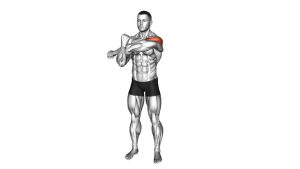
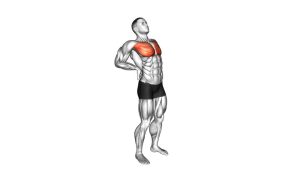
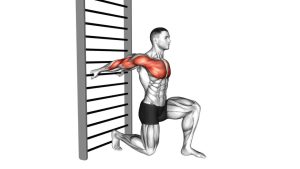
Standing Overhead Shoulder Stretch: Proper Form, Benefits, Tips & FAQ
Learn how to do the Standing Overhead Shoulder Stretch with proper form to improve shoulder mobility, overhead range of motion, and posture. Includes setup, execution, sets by goal, common mistakes, FAQ, and recommended equipment.
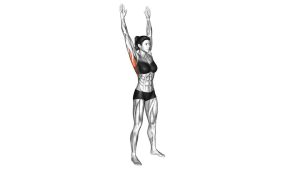
Standing Overhead Shoulder Stretch
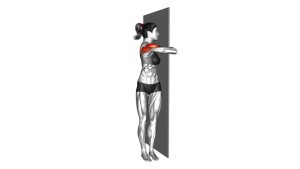
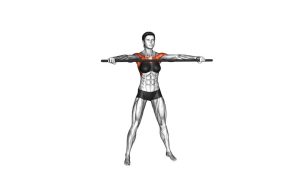
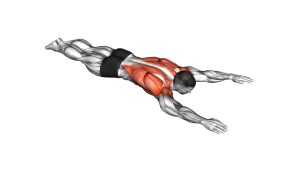
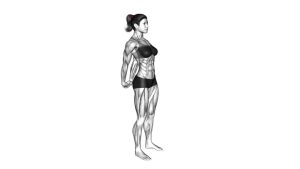
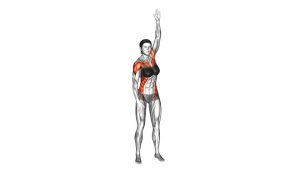
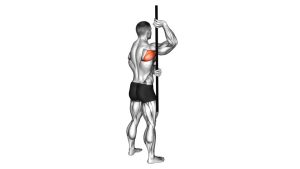
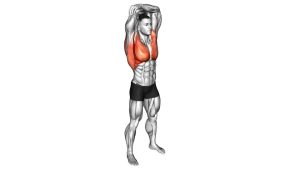
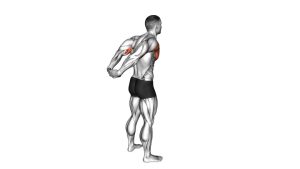
This exercise works best when performed with slow tempo, light tension, and good posture. You should feel a gentle stretch through the front of the shoulders and, depending on your mobility, the upper chest and lats. The movement should stay smooth and symmetrical, without forcing range or turning into a fast arm swing.
Quick Overview
| Body Part | Shoulders |
|---|---|
| Primary Muscle | Anterior deltoid (front shoulder) |
| Secondary Muscle | Upper chest, rotator cuff stabilizers, serratus anterior, upper back stabilizers |
| Equipment | None |
| Difficulty | Beginner (suitable for mobility work, warm-ups, and posture-focused training) |
Sets & Reps (By Goal)
- Daily mobility: 2–3 sets × 8–12 reps with slow, controlled movement
- Warm-up before upper-body training: 1–3 sets × 6–10 reps
- Flexibility emphasis: 2–4 sets × 6–8 reps with a 2–4 second overhead pause
- Posture / desk break reset: 1–2 sets × 8–10 reps at easy effort
Progression rule: Increase control, pause time, or total reps before trying to push deeper overhead range. Clean movement matters more than aggressive stretching.
Setup / Starting Position
- Stand tall: Place your feet about hip-width apart and keep your body balanced evenly.
- Brace lightly: Engage your core just enough to keep the ribs from flaring upward.
- Start with arms forward: Raise both arms straight in front of you around shoulder height.
- Keep elbows long: Maintain mostly straight elbows without locking aggressively.
- Set the neck neutral: Keep your head stacked over your torso and avoid jutting the chin forward.
Tip: If you tend to arch your back during overhead work, slightly bend the knees and keep the ribs down before starting.
Execution (Step-by-Step)
- Lift the arms upward: Move both arms from in front of the body toward the overhead position in a smooth arc.
- Reach overhead gently: Stop at the highest point you can control comfortably without forcing range.
- Pause briefly: Hold the top for 1–3 seconds while breathing normally and keeping the torso stable.
- Lower with control: Bring the arms back down along the same path to the starting position.
- Repeat evenly: Keep the motion slow, balanced, and free from momentum.
Pro Tips & Common Mistakes
- Keep the ribs down: Avoid turning shoulder mobility into a lower-back compensation.
- Move slowly: Fast swinging reduces the quality of the stretch and control.
- Don’t force the top position: Stop at a pain-free range and build gradually.
- Keep elbows mostly straight: Excessive elbow bending reduces the stretch effect.
- Relax the neck: Avoid excessive shrugging and tension in the upper traps.
- Breathe normally: Calm breathing helps reduce stiffness and improve mobility quality.
- Use it before overhead training: This works well before presses, pull-ups, snatches, and shoulder sessions.
FAQ
Where should I feel the standing overhead shoulder stretch?
Most people feel it in the front of the shoulders, and sometimes through the upper chest or along the sides of the upper torso depending on mobility restrictions.
Is this a stretch or a strengthening exercise?
It is primarily a mobility and flexibility drill. It can improve control overhead, but it is not meant to be a heavy strength movement.
Can beginners do this exercise?
Yes. It is beginner-friendly as long as you stay within a pain-free range and avoid forcing the overhead position.
How often can I do this stretch?
Many people can perform it daily as part of a warm-up, mobility routine, or posture break, especially when intensity stays light to moderate.
What should I do if I feel shoulder pinching?
Reduce your range of motion, slow down the tempo, and avoid pushing into painful end range. If pinching continues, stop and assess shoulder mobility or get guidance from a qualified professional.
Recommended Equipment (Optional)
- Shoulder Stretching Strap — useful for assisted shoulder mobility and flexibility work
- Resistance Bands for Shoulder Mobility — good for warm-ups, activation drills, and adding light resistance
- Foam Roller — helpful for upper-back mobility and soft-tissue prep before stretching
- Posture Corrector Brace — can be used as a temporary awareness tool for rounded-shoulder posture
- Massage Ball / Trigger Point Ball — useful for releasing tight areas around the chest, upper back, and shoulder girdle
Tip: These tools are optional. For this exercise, clean movement quality and consistent practice matter more than equipment.