Side Crunch Exercise: Oblique Form, Benefits, Sets & Tips
Learn how to do the Side Crunch with proper form to target your obliques, improve lateral core strength, avoid mistakes, and build cleaner abs.
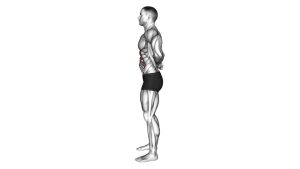
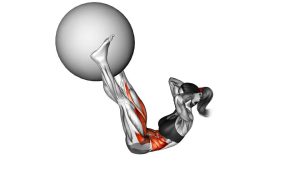
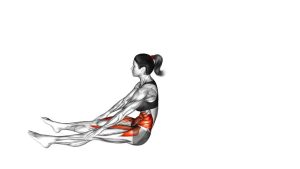
Side Crunch
This exercise is useful when you want to isolate the side abs without needing equipment. Because the body is lying on one side, the working obliques must shorten against gravity while the lower body stays quiet. A good rep should feel smooth, compact, and controlled. You should feel the side of the waist working more than the neck, hip flexors, or lower back.
Quick Overview
| Body Part | Obliques |
|---|---|
| Primary Muscle | Internal and external obliques |
| Secondary Muscle | Rectus abdominis, transverse abdominis, quadratus lumborum |
| Equipment | No equipment required; optional exercise mat |
| Difficulty | Beginner to intermediate |
Sets & Reps (By Goal)
- Beginner control: 2–3 sets of 8–12 reps per side with a slow tempo.
- Oblique strength: 3–4 sets of 10–15 reps per side with a firm squeeze at the top.
- Core endurance: 2–4 sets of 15–20 reps per side while keeping every rep clean.
- Warm-up activation: 1–2 sets of 8–10 reps per side before core or full-body training.
Progression rule: Add reps first, then add a longer top squeeze. Do not increase range if it makes you pull with the neck or twist out of position.
Setup / Starting Position
- Lie on your side: Stack your legs and keep your body in a long, straight line.
- Set your upper body: Place the top hand lightly behind your head without pulling on the neck.
- Stabilize the lower body: Keep your hips stacked and your legs still throughout the rep.
- Brace gently: Tighten your core enough to stop your torso from rolling backward.
- Prepare the working side: Think about shortening the space between your lower ribs and your hip.
Tip: Use a soft mat if your hip or side ribs feel pressure against the floor.
Execution (Step-by-Step)
- Start long: Keep your torso extended and your legs stacked before each rep.
- Lift from the side waist: Crunch your upper ribs toward your hip using the obliques.
- Keep the motion short: Avoid trying to sit all the way up. This is a compact side bend.
- Squeeze briefly: Pause at the top for one second while keeping your neck relaxed.
- Lower with control: Return your shoulder and torso toward the floor without collapsing.
- Repeat on both sides: Complete all reps on one side, then switch sides with the same control.
Pro Tips & Common Mistakes
- Crunch sideways, not forward: Keep the movement focused on lateral flexion.
- Do not pull your neck: Your hand supports the head lightly, but the abs create the lift.
- Keep the legs still: Moving the legs turns the drill into a different exercise.
- Avoid rolling backward: Keep the hips stacked so the obliques do the work.
- Use a slow lowering phase: The descent builds control and prevents sloppy reps.
- Exhale as you crunch: This helps the ribs move down and improves oblique contraction.
- Do not chase height: A small, strong crunch is better than a big uncontrolled lift.
FAQ
What muscles does the Side Crunch work?
The Side Crunch mainly works the internal and external obliques. It also involves the rectus abdominis and deep core muscles for support.
Is the Side Crunch good for beginners?
Yes. It is beginner-friendly when performed slowly with a small range of motion. Beginners should focus on clean side bending instead of trying to lift too high.
Should I feel Side Crunches in my neck?
No. Neck tension usually means you are pulling your head with your hand. Keep your hand light, relax your jaw, and lift from the side of your waist.
Can Side Crunches help build visible obliques?
They can help strengthen and define the obliques. However, visible obliques also depend on overall body fat, nutrition, training consistency, and total core development.
How often should I do Side Crunches?
You can train them 2–4 times per week depending on your program. Leave enough recovery if your obliques feel sore or if your form starts to break down.
Recommended Equipment
- Exercise Mat — provides comfort for the hips, ribs, and shoulders during floor-based core work.
- Thick Yoga Mat — useful if you need extra cushioning for side-lying exercises.
- Core Sliders — helpful for adding variety to oblique and abdominal training.
- Medicine Ball — useful for progressing rotational and anti-rotational core exercises.
- Resistance Bands Set — great for pairing Side Crunches with standing oblique and anti-rotation drills.
Tip: Equipment is optional for the Side Crunch. A mat is the most useful item because it improves comfort and allows you to focus on controlled oblique contraction.