Decline Crunch: Proper Form, Benefits, Sets, Tips & FAQ
Learn how to perform the Decline Crunch with proper form to target the abs, improve core strength, and build better waist control. Includes setup, execution, mistakes, FAQs, and recommended equipment.
Decline Crunch
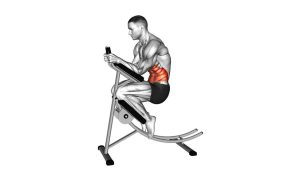
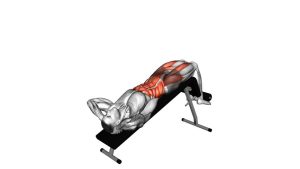
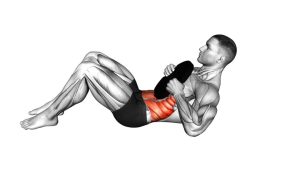
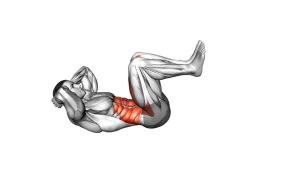
The decline crunch is useful for building stronger abs, improving waist control, and adding intensity to basic crunch training. It works best when the movement stays compact. A clean rep starts with the upper back resting on the bench, continues with the shoulders curling upward, and finishes with the ribs drawing closer to the pelvis. When performed correctly, the hips stay quiet and the abs perform most of the work.
This exercise is often confused with the decline sit-up. However, the decline crunch uses a shorter range of motion. That smaller range helps keep the focus on abdominal contraction rather than hip flexor pulling. For best results, move slowly, avoid bouncing, and keep the neck relaxed throughout the entire set.
Quick Overview
| Body Part | Abs |
|---|---|
| Primary Muscle | Rectus Abdominis |
| Secondary Muscle | Obliques, transverse abdominis, and hip flexors as stabilizers |
| Equipment | Decline bench |
| Difficulty | Beginner to Intermediate |
Sets & Reps (By Goal)
- Core control: 2–3 sets of 8–12 reps with a slow tempo and a short pause at the top.
- Muscle growth: 3–4 sets of 10–15 reps while keeping constant tension on the abs.
- Beginner strength: 2–3 sets of 6–10 reps using a mild decline angle.
- Ab endurance: 2–4 sets of 15–20 reps with smooth breathing and no swinging.
- Finisher option: 1–2 sets near technical fatigue after your main core workout.
Progression rule: Increase control before adding reps. When every rep looks clean, raise the decline angle slightly or add a short pause at the top. Avoid progressing by pulling harder with the legs.
Setup / Starting Position
- Adjust the bench: Set the decline bench to a comfortable angle. A lower angle is easier, while a steeper angle increases difficulty.
- Secure your feet: Place your feet under the pads so your lower body stays stable without excessive pulling.
- Lie back with control: Rest your back on the bench and keep your knees bent.
- Place your hands lightly: Keep your hands across your chest, beside your head, or lightly near the temples. Do not pull the neck.
- Set your ribs and pelvis: Brace the core gently and avoid an exaggerated lower-back arch.
- Prepare the neck: Keep the chin slightly tucked and the eyes looking forward or upward.
A good starting position should feel stable, not tense. The feet support your position, but the abs should still create the crunch.
Execution (Step-by-Step)
- Brace before moving: Take a controlled breath and tighten your abs as if preparing for a light punch.
- Curl the upper body: Lift your shoulders and upper back from the bench by bringing your ribs toward your pelvis.
- Keep the range short: Stop when your abs are fully contracted. Do not sit all the way up.
- Pause at the top: Hold the contraction for one second while keeping the hips steady.
- Lower slowly: Return to the bench with control and avoid dropping your shoulders quickly.
- Repeat with rhythm: Begin the next rep only after your torso resets and your abs stay engaged.
Pro Tips & Common Mistakes
Pro Tips
- Use a small crunch: The best decline crunch reps are compact, controlled, and focused on spinal flexion.
- Exhale during the lift: Breathing out as you crunch helps the ribs move down and improves abdominal tension.
- Control the lowering phase: The eccentric portion builds strength and prevents bouncing.
- Keep your elbows relaxed: Wide or relaxed elbows reduce the urge to pull the head forward.
- Start with a mild decline: A steep bench is not necessary if your form is not stable yet.
Common Mistakes
- Turning it into a sit-up: Sitting too high shifts tension away from the abs and toward the hip flexors.
- Pulling the neck: Yanking the head forward can irritate the neck and reduce core focus.
- Using momentum: Swinging up makes the exercise easier but less effective for abdominal development.
- Dropping too fast: A fast descent removes tension and increases the chance of bouncing off the bench.
- Arching the lower back: Excessive arching may reduce abdominal control and create discomfort.
- Locking the feet too aggressively: Overusing the foot pads can encourage hip flexor dominance.
FAQ
What muscles does the decline crunch work?
The decline crunch mainly works the rectus abdominis, which is the front abdominal muscle. The obliques and deeper core muscles help stabilize the torso during the movement.
Is the decline crunch better than a regular crunch?
It is not always better, but it is usually harder. The decline angle increases the challenge because your abs must work against more resistance. Beginners should master the regular crunch before using a steep decline.
Should I go all the way up during a decline crunch?
No. A decline crunch should stay shorter than a sit-up. Lift the shoulders and upper back, contract the abs, then lower with control. Going too high often shifts the work into the hip flexors.
Can decline crunches help build visible abs?
Yes, they can help strengthen and develop the abdominal muscles. However, visible abs also depend on body-fat level, nutrition, overall training, and consistency.
Why do I feel decline crunches in my hip flexors?
Hip flexor tension usually happens when the movement becomes too large or when you pull strongly with your legs. Reduce the range, lower the bench angle, and focus on curling your ribs toward your pelvis.
How many times per week should I do decline crunches?
Most people can train them 2–4 times per week, depending on recovery and total core volume. Keep the sets controlled and avoid training through pain or excessive soreness.
Recommended Equipment
- Adjustable Decline Bench — the main tool for performing decline crunches with stable foot support.
- Ab Mat — useful for regular crunch variations and extra lumbar support during floor core work.
- Thick Exercise Mat — helpful for warm-ups, floor ab drills, and stretching before or after bench work.
- Adjustable Ankle Weights — useful for advanced core progressions, leg raises, and lower-ab accessory exercises.
- Resistance Bands Set — great for pairing with anti-rotation drills, core stability work, and warm-up activation.
Choose equipment that supports clean form. A stable bench and controlled tempo are more important than using a steep decline too early.