Twist Sit-Up: Proper Form, Oblique Benefits, Sets, Tips & FAQ
Learn how to do the Twist Sit-Up with proper form to train abs, obliques, and rotational core strength. Includes sets, steps, mistakes, FAQs, and gear.
Twist Sit-Up
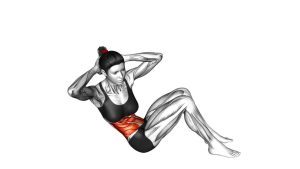
The Twist Sit-Up is useful for building stronger abs, improving rotational control, and training the core to move through flexion and rotation together. Because the movement includes both a sit-up and a twist, it should be performed with steady tempo and clean alignment. A good repetition starts from a stable lying position, rises through the abdominals, rotates from the torso, and lowers with control.
This exercise is often used in home workouts, bodyweight core circuits, athletic conditioning, and ab-focused training sessions. It can be done without equipment, which makes it easy to include in a quick core routine. However, proper form matters. Pulling on the neck, swinging the arms, or twisting too aggressively can reduce core tension and increase stress on the lower back or neck.
Quick Overview
| Body Part | Core |
|---|---|
| Primary Muscle | Rectus abdominis and obliques |
| Secondary Muscle | Hip flexors, transverse abdominis, deep spinal stabilizers |
| Equipment | Bodyweight only; optional exercise mat |
| Difficulty | Beginner to intermediate, depending on speed, range of motion, and control |
Sets & Reps (By Goal)
- Beginner core control: 2–3 sets × 8–10 reps per side, using a slow and controlled tempo.
- Muscle endurance: 3–4 sets × 12–16 total reps, alternating sides each repetition.
- Oblique focus: 3 sets × 10–12 reps per side, with a brief pause at the top of each twist.
- Core circuit training: 30–45 seconds of continuous reps, resting 30–60 seconds between rounds.
- Advanced bodyweight conditioning: 4 sets × 15–20 total reps, keeping the descent controlled and the twist clean.
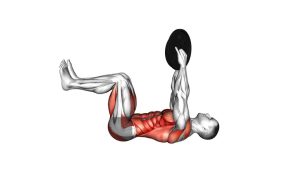
Progression rule: First improve control, then increase reps. After that, you can slow the eccentric phase, pause longer at the top, or hold a light medicine ball only if your lower back stays stable.
Setup / Starting Position
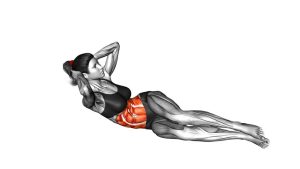
- Lie on your back: Start on an exercise mat with your knees bent and your feet flat on the floor.
- Set your feet: Keep your feet about hip-width apart. Press them lightly into the ground without gripping too hard.
- Position your hands: Place your fingertips lightly beside your head, across your chest, or extended forward. Avoid pulling on your neck.
- Brace your core: Gently tighten your abs before you move. Think about bringing the ribs slightly down toward the pelvis.
- Keep your neck neutral: Look slightly upward or forward as you rise. Do not jam the chin into the chest.
- Start with control: Your shoulders, upper back, and head begin on the floor. The movement should start from the abs, not from swinging the arms.
Tip: If your feet lift off the floor, reduce speed or tuck them under a stable anchor. However, avoid relying too much on the anchor because it can make the hip flexors dominate the exercise.
Execution (Step-by-Step)
- Brace before lifting: Take a small breath in, tighten your core, and prepare your trunk before leaving the floor.
- Lift your shoulders first: Curl the upper back off the floor while keeping the movement smooth and controlled.
- Continue into the sit-up: Raise your torso toward your thighs without jerking or throwing your head forward.
- Begin the twist near the top: Rotate your torso so one shoulder moves toward the opposite knee.
- Reach the peak contraction: Pause briefly at the top. Your abs and obliques should feel active, but your neck should stay relaxed.
- Untwist with control: Return your torso toward the center before lowering back down.
- Lower slowly: Roll your spine back to the floor without collapsing. Keep tension through the abs during the descent.
- Alternate sides: On the next repetition, rotate toward the opposite knee to train both sides evenly.
Pro Tips & Common Mistakes
Pro Tips
- Move with rhythm, not momentum: A clean Twist Sit-Up should feel controlled from start to finish.
- Rotate at the top: Perform most of the twist after the torso has already lifted. This keeps the obliques working without forcing the lower back.
- Exhale as you rise: Breathing out during the sit-up can help your ribs stay down and your abs contract harder.
- Keep the feet stable: Lightly press your feet into the floor. Avoid kicking or bouncing through the movement.
- Control the lowering phase: The descent builds strength too. Do not let your back slap into the mat.
- Use a smaller twist if needed: You do not need to touch elbow to knee. A clean shoulder-to-opposite-thigh rotation is enough.
Common Mistakes
- Pulling on the neck: This can create neck strain and reduce abdominal focus. Keep the hands light.
- Using too much speed: Fast reps often turn the exercise into momentum instead of core training.
- Twisting from the arms only: Swinging the elbow across the body does not create the same oblique demand as true torso rotation.
- Arching the lower back at the bottom: Keep the core lightly braced as you return to the floor.
- Holding the breath: Breath-holding can create unnecessary pressure and make the movement feel tense.
- Doing too many reps too soon: Quality drops quickly when the core fatigues. Stop before your form becomes sloppy.
FAQ
What muscles does the Twist Sit-Up work?
The Twist Sit-Up primarily works the rectus abdominis and obliques. The rectus abdominis helps lift the torso, while the obliques help rotate the trunk. The hip flexors and deep core muscles also assist during the movement.
Is the Twist Sit-Up good for obliques?
Yes. The twisting portion increases oblique involvement, especially when the rotation is controlled. To get the most benefit, rotate from the torso instead of simply swinging your elbow across your body.
Should beginners do Twist Sit-Ups?
Beginners can do Twist Sit-Ups if they already control basic sit-ups comfortably. If the movement feels too difficult, start with crunches, dead bugs, heel taps, or basic sit-ups before adding rotation.
Why does my neck hurt during Twist Sit-Ups?
Neck discomfort often happens when you pull on your head or tuck your chin too aggressively. Keep your hands light, your neck long, and your eyes forward as you rise. If pain continues, reduce the range of motion or choose a gentler core exercise.
Can Twist Sit-Ups reduce belly fat?
Twist Sit-Ups strengthen the abdominal muscles, but they do not directly burn fat from one specific area. For visible fat loss, combine core training with full-body strength work, regular cardio, proper nutrition, and consistent calorie control.
How many Twist Sit-Ups should I do?
Most people can start with 2–3 sets of 8–12 reps per side. As control improves, increase the total reps or add a slower tempo. Stop the set when your form starts to break down.
Are Twist Sit-Ups better than Russian twists?
They train similar areas, but the movement pattern is different. Twist Sit-Ups combine spinal flexion and rotation, while Russian twists focus more on seated trunk rotation. Both can be useful, but Twist Sit-Ups usually feel more demanding for the abs because you must lift the torso from the floor.
Recommended Equipment
- Exercise Mat — provides cushioning for your spine and improves comfort during floor-based core training.
- Non-Slip Yoga Mat — helps keep your body stable while you perform controlled sit-up and twist variations.
- Medicine Ball — useful for advanced progressions after you master bodyweight Twist Sit-Ups.
- Ab Mat / Sit-Up Pad — supports the lower back and may improve comfort during sit-up variations.
- Adjustable Sit-Up Bench — allows more advanced core progressions, including decline sit-ups and controlled twisting variations.
Tip: Start with only a mat. Add resistance or a decline angle only when your bodyweight reps are controlled, pain-free, and consistent.