Sledgehammer Slam: Form, Benefits, Muscles Worked & Tips
Learn the Sledgehammer Slam for explosive power, core strength, conditioning, and full-body coordination with proper form, sets, tips, and FAQs.
Sledgehammer Slam
The Sledgehammer Slam is often used in athletic conditioning, combat-style workouts, strongman training, and high-intensity circuits. Because the exercise combines rotation, overhead force, hip drive, and impact, it trains the body to create power from the ground up. Therefore, it works best when you stay braced, move with rhythm, and avoid turning the drill into an uncontrolled arm swing.
Although the exercise looks simple, clean technique matters. A good repetition starts with a stable stance, continues through a strong overhead loading phase, and finishes with a controlled strike into the tire. As a result, the body learns to transfer force through the core while the shoulders, lats, forearms, legs, and hips work together.
Quick Overview
| Body Part | Cardio |
|---|---|
| Primary Muscle | Core, shoulders, lats, and forearms |
| Secondary Muscle | Glutes, quads, hamstrings, traps, chest, upper back, and calves |
| Equipment | Sledgehammer and tire or safe slam surface |
| Difficulty | Intermediate because it requires timing, coordination, grip control, and rebound awareness |
Sets & Reps (By Goal)
- Power development: 4–6 sets × 5–8 slams per side with strong intent and 60–90 seconds rest.
- Conditioning: 3–5 rounds × 20–40 seconds of work with 40–60 seconds rest.
- Core and rotation training: 3–4 sets × 8–12 controlled slams per side.
- HIIT finisher: 6–10 rounds × 15–20 seconds fast slams with 40–60 seconds rest.
- Beginner practice: 2–3 sets × 6–10 slow slams using a lighter hammer and extra rest.
Progression rule: First improve control, rhythm, and accuracy. Then increase speed, total rounds, or hammer weight only when every slam remains smooth and safe.
Setup / Starting Position
- Place the tire securely: Use a heavy tire that does not slide easily. Also, make sure the floor is clear around your feet.
- Stand at a safe distance: Position yourself close enough to strike the center of the tire, but not so close that the rebound hits your body.
- Set your feet: Use a shoulder-width or slightly staggered stance. Bend the knees lightly and keep your weight balanced.
- Grip the hammer firmly: Hold the handle with both hands. One hand can guide near the top while the other controls the end of the handle.
- Brace your core: Keep your ribs down, spine neutral, and shoulders packed before the hammer moves.
- Choose your swing path: You can slam straight down or slightly across the body. However, stay consistent and avoid twisting beyond control.
Tip: Start with a lighter sledgehammer until you can control the lift, downswing, impact, and rebound without losing posture.
Execution (Step-by-Step)
- Begin tall and braced: Stand over the tire with your knees soft, core tight, and eyes on the striking area.
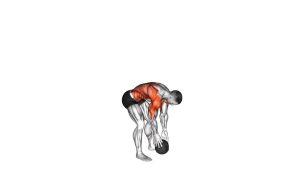
- Lift the hammer: Bring the hammer up and slightly back. As you lift, allow the hips and torso to load naturally.
- Reach the power position: At the top, keep your shoulders active and your spine neutral. Avoid over-arching the lower back.
- Drive the hammer downward: Pull with the lats, brace the abs, and use the hips to create force. Meanwhile, guide the hammer toward the tire.
- Strike the tire: Hit the center of the tire with control. Let your knees bend slightly as the hammer lands.
- Control the rebound: Do not relax after impact. Keep your grip secure and allow the hammer to bounce only as much as you can control.
- Reset smoothly: Return to the starting position and repeat. If you are alternating sides, switch the lead hand and swing path carefully.
Pro Tips & Common Mistakes
- Use the whole body: Do not make the slam only an arm exercise. Instead, drive through the hips, brace the core, and guide with the arms.
- Keep your spine neutral: Avoid rounding hard through the lower back during the downswing. Hinge and bend the knees as needed.
- Control the rebound: Many mistakes happen after impact. Therefore, stay alert until the hammer is fully under control.
- Strike the tire center: A clean center strike reduces awkward bounce and helps keep the hammer path predictable.
- Do not overreach: If you stand too far away, you may lose posture and pull the shoulders forward.
- Switch sides evenly: If you rotate or slam diagonally, train both sides to avoid building one-sided movement habits.
- Breathe with rhythm: Inhale during the lift, then exhale sharply as you slam. This helps power and bracing.
- Start slower: First master accuracy and balance. After that, increase tempo for conditioning.
FAQ
What muscles does the Sledgehammer Slam work?
The Sledgehammer Slam works the core, shoulders, lats, forearms, glutes, legs, traps, and upper back. Because the movement combines hip drive, rotation, and impact, it trains the body as one connected system.
Is the Sledgehammer Slam good for cardio?
Yes. When performed in timed rounds, the Sledgehammer Slam can become a demanding conditioning exercise. It raises the heart rate quickly while still challenging power, coordination, and grip endurance.
Should beginners do sledgehammer slams?
Beginners can do them if they use a light hammer, move slowly, and learn rebound control first. However, people with shoulder, wrist, back, or neck problems should be cautious and choose easier conditioning drills when needed.
How heavy should the sledgehammer be?
Start light enough that you can swing with control. Many people do better with a moderate hammer instead of a very heavy one. If the hammer changes your posture, slows your reset too much, or pulls you off balance, choose a lighter option.
Can I do Sledgehammer Slams without a tire?
A tire is the most common option because it absorbs impact and provides bounce. Without a tire, only use a surface made for slams. Do not strike concrete, tile, or unsafe surfaces because the rebound can become dangerous.
Are sledgehammer slams better for strength or conditioning?
They can train both. For strength and power, use fewer reps with more rest. For conditioning, use timed intervals, shorter rest periods, and smooth repeated strikes.
Recommended Equipment
- Workout Sledgehammer — the main tool for tire slams, power drills, and functional conditioning.
- Training Tire / Tractor Tire — provides a safer impact surface and helps control bounce during repeated slams.
- Grip Training Gloves — useful for reducing hand irritation while keeping a secure hold on the handle.
- Non-Slip Training Shoes — helps maintain stable foot contact during powerful swings and resets.
- Wrist Wraps — optional support for high-volume sessions if your wrists need extra stability.
Tip: Choose equipment based on control first. A heavier hammer is not better if it reduces accuracy, posture, or rebound safety.