Medicine Ball Overhead Slam: Form, Benefits, Sets, Tips & FAQ
Learn the Medicine Ball Overhead Slam for explosive core power, conditioning, and full-body strength. Includes form, sets, tips, mistakes, FAQs, and gear.
Medicine Ball Overhead Slam
The Medicine Ball Overhead Slam works best when power starts from the ground and travels through the entire body. Therefore, your feet should stay planted, your core should stay tight, and your arms should guide the ball with control. Instead of throwing only with your shoulders, you should use your hips, abs, lats, and upper body together.
In addition, this exercise is excellent for conditioning because it raises the heart rate quickly. However, the movement should never become careless. Although the slam is explosive, each repetition still needs a clean overhead reach, a strong brace, a safe downward path, and a controlled reset.
Quick Overview
| Body Part | Core |
|---|---|
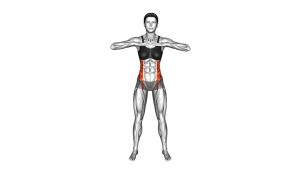
| Primary Muscle | Rectus abdominis, deep core stabilizers, and latissimus dorsi |
| Secondary Muscle | Shoulders, triceps, glutes, hamstrings, quads, upper back, and spinal stabilizers |
| Equipment | Medicine ball or slam ball |
| Difficulty | Beginner to Intermediate, depending on ball weight, speed, and conditioning level |
Sets & Reps (By Goal)
- Power development: Perform 3–5 sets of 4–6 explosive reps. Then, rest 60–120 seconds so each set stays powerful.
- Core conditioning: Complete 3–4 sets of 8–12 reps. Meanwhile, keep the ball moderate so your rhythm stays controlled.
- Fat-loss circuit training: Use 2–4 rounds of 10–15 reps. After that, pair the slam with squats, push-ups, or short cardio intervals.
- Beginner technique practice: Start with 2–3 sets of 5–8 reps. Most importantly, focus on safe setup, bracing, and ball placement.
- Athletic finisher: Try 4–6 short bursts of 15–20 seconds. Then, rest 40–60 seconds before repeating.
Progression rule: First, improve control and speed. Next, add reps or short timed rounds. Finally, increase ball weight only when your posture, brace, and landing position remain strong.
Setup / Starting Position
- Choose the right ball: Select a medicine ball that allows fast movement. However, use a slam ball if you want less bounce and safer floor impact.
- Set your stance: Stand with your feet about shoulder-width apart. Then, spread your weight evenly through both feet.
- Grip the ball securely: Hold the sides of the ball with both hands. At the same time, keep your wrists firm and your elbows relaxed.
- Brace your midsection: Pull your ribs down slightly and tighten your abs before the ball goes overhead.
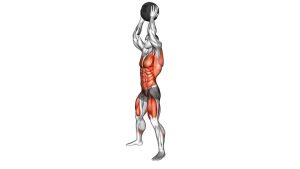
- Reach overhead: Lift the ball above your head while keeping your shoulders active. Meanwhile, avoid leaning back through your lower spine.
- Prepare your lower body: Keep your knees soft and your hips ready to hinge. This way, your legs can help create and absorb force.
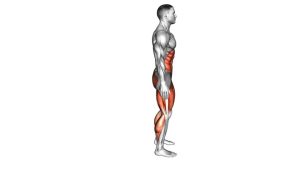
From the back view, a strong starting position shows even shoulders, stable feet, and a tall spine. Therefore, avoid twisting, leaning sideways, or shifting weight onto one leg before the slam.
Execution (Step-by-Step)
- Start tall: Stand upright with the ball held in front of your body. Then, brace your core before moving.
- Lift the ball overhead: Raise the ball above your head with both arms. However, do not let your ribs flare or your lower back overarch.
- Create tension: Tighten your abs, engage your lats, and keep your shoulders strong. As a result, your body becomes ready to produce force.
- Drive the ball down: Pull the ball toward the floor with speed. At the same time, use your core and lats instead of relying only on your arms.
- Use your hips and knees: As the ball travels downward, bend your knees and hinge slightly at the hips. This helps you generate more power safely.
- Slam in front of your body: Aim the ball slightly in front of your feet. Therefore, you reduce the chance of an unsafe rebound.
- Follow through naturally: Let your arms continue downward after release. Meanwhile, keep your torso controlled instead of collapsing forward.
- Reset properly: Pick the ball up with your legs and hips. Then, return to the tall position before starting the next repetition.
Pro Tips & Common Mistakes
Pro Tips
- Use your whole body: Instead of making this an arm-only throw, connect your legs, hips, core, lats, shoulders, and arms.
- Control the overhead reach: Although the ball should move high, your ribs should stay controlled and your lower back should not collapse into extension.
- Pull with the lats: As you slam, think about driving the ball down with your back muscles. This cue usually improves power and control.
- Stay athletic: Keep your knees soft and your feet grounded. As a result, you can create force without bouncing around.
- Reset every rep: For power training, pause briefly before the next slam. Then, repeat with the same quality.
- Exhale on impact: Breathe out sharply as you slam. This helps your abs brace and improves force transfer.
Common Mistakes
- Using a ball that is too heavy: When the ball is too heavy, speed drops and technique often breaks down.
- Arching the lower back overhead: If your ribs flare upward, reduce the reach and brace harder before the slam.
- Slamming too close to the feet: This mistake can cause a dangerous rebound. Therefore, aim slightly forward.
- Rounding aggressively at the bottom: Instead of collapsing through the spine, bend your knees and hinge through your hips.
- Letting the shoulders shrug excessively: Although your shoulders should stay active, your neck should not take over the movement.
- Rushing the pickup: After each slam, lift the ball from the floor with your legs. Otherwise, your lower back may do too much work.
FAQ
What muscles does the Medicine Ball Overhead Slam work?
The Medicine Ball Overhead Slam mainly works the abs, deep core stabilizers, and lats. In addition, it trains the shoulders, triceps, glutes, hamstrings, quads, upper back, and spinal stabilizers. Because the movement is explosive, it also improves coordination and conditioning.
Is the Medicine Ball Overhead Slam good for abs?
Yes, it is a strong standing abs exercise. Unlike a slow crunch, it trains the core to brace, transfer force, and control fast movement. Therefore, it is useful for athletes, conditioning workouts, and functional core training.
Should I use a medicine ball or a slam ball?
A slam ball is usually the better choice because it is designed for repeated impact and lower bounce. However, a regular medicine ball can work if it is safe for slamming. Before using it, check the product design and test the bounce carefully.
How heavy should the ball be?
Choose a ball that allows fast and clean reps. For beginners, a light-to-moderate ball is usually best. If the ball slows you down, pulls your back into an arch, or makes your shoulders uncomfortable, it is probably too heavy.
Can beginners do Medicine Ball Overhead Slams?
Yes, beginners can do this exercise with a lighter ball and slower rhythm. However, they should first learn how to brace, hinge, slam in a safe direction, and reset the ball correctly. After technique improves, speed can gradually increase.
Is this exercise cardio or strength training?
It can be both, depending on how you program it. For example, low-rep explosive sets build power. Meanwhile, higher-rep sets or timed intervals create a stronger cardio and conditioning effect.
Why does my lower back hurt during medicine ball slams?
Lower-back discomfort often happens when the ball is too heavy, the ribs flare overhead, or the spine rounds during the slam. Therefore, reduce the ball weight, brace your abs harder, bend your knees more, and reset with better control.
Recommended Equipment
- Slam Ball — best for repeated overhead slams because it is built for impact and usually has less bounce.
- Medicine Ball — useful for general core work, throws, partner drills, and controlled power exercises.
- Large Exercise Mat — helps protect the floor and gives you a clear training zone for repeated slam work.
- Cross-Training Shoes — provide stable foot contact for explosive standing movements and conditioning drills.
- Interval Workout Timer — useful for circuits, HIIT rounds, timed power intervals, and conditioning finishers.
Tip: For overhead slams, prioritize durability, grip, and low bounce. As a result, your workout becomes safer, smoother, and easier to control.