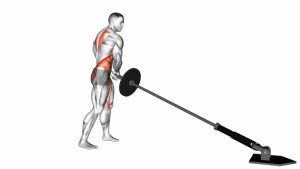
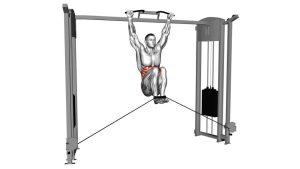
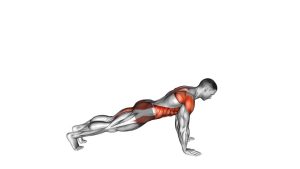
Cable Judo Flip: Form, Core Benefits, Sets, Tips & FAQ
Learn how to do the Cable Judo Flip with safe rotational form, core control, sets by goal, common mistakes, FAQs, and recommended equipment.
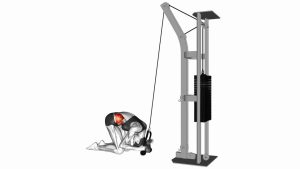
Cable Judo Flip
This exercise is useful for athletes, lifters, and anyone who wants stronger rotational core control. Unlike basic crunches, the Cable Judo Flip challenges your body while standing. Because of that, your abs must work with your hips, glutes, shoulders, and upper back to move resistance safely. The cable also keeps tension on the body during both the pull and the return, which makes the eccentric phase just as important as the explosive rotation.
Perform each rep with a clear rhythm. Load the body first, rotate with control, pull the cable diagonally, then return slowly without letting the weight stack slam. A strong rep should feel powerful but organized. If your knees twist, your lower back takes over, or your shoulders shrug toward your ears, reduce the load and rebuild the pattern.
Quick Overview
| Body Part | Core |
|---|---|
| Primary Muscle | Obliques |
| Secondary Muscle | Rectus abdominis, transverse abdominis, glutes, shoulders, upper back, hip rotators |
| Equipment | Cable machine with single handle or rope attachment |
| Difficulty | Intermediate |
Sets & Reps (By Goal)
- Core control: 2–3 sets × 8–10 reps per side with a slow return
- Rotational strength: 3–4 sets × 8–12 reps per side with moderate cable resistance
- Athletic power: 3–5 sets × 4–6 explosive reps per side with full control
- Conditioning finisher: 2–3 sets × 12–15 reps per side using a lighter load
Progression rule: Improve control before adding weight. Add resistance only when your hips, torso, arms, and feet move together without lower-back twisting or shoulder pulling.
Setup / Starting Position
- Set the cable height: Adjust the pulley around mid-torso to chest height. This creates a diagonal rotational pull that feels natural and controlled.
- Choose your attachment: Use a single D-handle or rope attachment. Grip it firmly, but do not squeeze so hard that your shoulders and neck tense up.
- Stand beside the cable machine: Position your body slightly away from the pulley so the cable has tension before the first rep starts.
- Set your feet: Use a shoulder-width athletic stance. Keep the knees soft and allow the feet to pivot during rotation.
- Brace your core: Keep your ribs down, chest proud, and spine neutral. Avoid leaning backward or rounding forward before the movement begins.
- Load the pattern: Let the cable pull your arms slightly toward the machine while your hips and torso rotate just enough to create tension.
Setup tip: Stand far enough away to feel steady cable tension, but not so far that the weight pulls your shoulders out of position.
Execution (Step-by-Step)
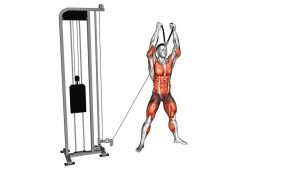
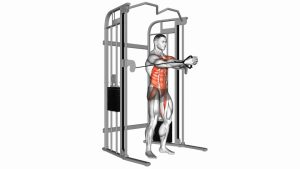
- Begin with tension: Hold the handle near your body and keep your arms connected to your torso. Your shoulders should feel stable, not stretched forward.
- Rotate from the hips: Start the movement by turning your hips away from the cable. Let the torso follow naturally.
- Pull diagonally across the body: Drive the cable across and slightly downward, similar to a controlled throwing or flipping motion.
- Pivot the feet: Allow your back foot and front foot to rotate with the movement. This protects the knees and helps the hips produce force.
- Finish with a braced core: Stop the motion when your torso reaches a strong end position. Avoid over-rotating through the lower back.
- Return under control: Let the cable guide you back slowly. Resist the pull and keep the weight stack quiet.
- Reset before the next rep: Rebuild your stance, breathing, and brace before repeating.
Pro Tips & Common Mistakes
- Use hip drive, not arm pulling: Your arms should transfer force from the core. They should not dominate the movement.
- Pivot your feet: Locked feet can force the knees and lower back to absorb rotation. Let the feet turn naturally.
- Keep the ribs controlled: Do not flare the ribs or arch the lower back during the finish.
- Avoid rushing the return: The slow return trains control and prevents the cable from pulling you out of position.
- Do not overload too soon: A heavy cable can make the movement jerky. Choose a load that lets you rotate smoothly.
- Keep shoulders down: If your traps take over, relax your neck and reduce the weight.
- Match both sides: Train left and right evenly. Rotational strength should feel balanced.
- Control the end range: Stop when your torso is strong and stable. More twist is not always better.
FAQ
What muscles does the Cable Judo Flip work?
The Cable Judo Flip mainly works the obliques. It also trains the transverse abdominis, rectus abdominis, glutes, hip rotators, shoulders, and upper back. Because it is performed standing, it teaches the core to create and control rotation through the whole body.
Is the Cable Judo Flip good for abs?
Yes. It is especially useful for the obliques and deep core muscles. However, it is not a simple crunch-style ab exercise. It trains your abs to rotate, brace, and resist cable tension while the hips and torso move together.
Should beginners do the Cable Judo Flip?
Complete beginners should first learn basic cable chops, Pallof presses, and controlled standing rotations. Once those movements feel stable, the Cable Judo Flip can be added with a light load and slow tempo.
How heavy should I go on this exercise?
Use a load that allows clean rotation without jerking. If your shoulders pull forward, your lower back twists, or the weight stack slams during the return, the resistance is too heavy.
Is the Cable Judo Flip the same as a cable woodchop?
It is similar, but not exactly the same. A cable woodchop usually follows a clearer high-to-low or low-to-high path. The Cable Judo Flip feels more like a rotational throwing pattern with stronger hip drive and a more athletic diagonal pull.
Can I use this exercise for sports performance?
Yes. It can help athletes who need rotational power, such as fighters, throwers, golfers, tennis players, baseball players, and field-sport athletes. Keep the reps controlled and focus on force transfer from the lower body through the core.
Recommended Equipment
- Cable Machine D-Handle Attachment — useful for single-handle rotational cable exercises
- Cable Rope Attachment — allows a comfortable two-hand grip for diagonal pulling movements
- Cable Attachment Strap Set — helpful for expanding cable machine exercise options
- Stable Training Shoes — support better foot contact and controlled pivoting
- Resistance Bands with Handles — a portable alternative for practicing lighter rotational patterns
Tip: Cable attachments should feel secure and smooth. If a handle slips, rotates poorly, or changes your wrist position too much, choose a better attachment before increasing load.